
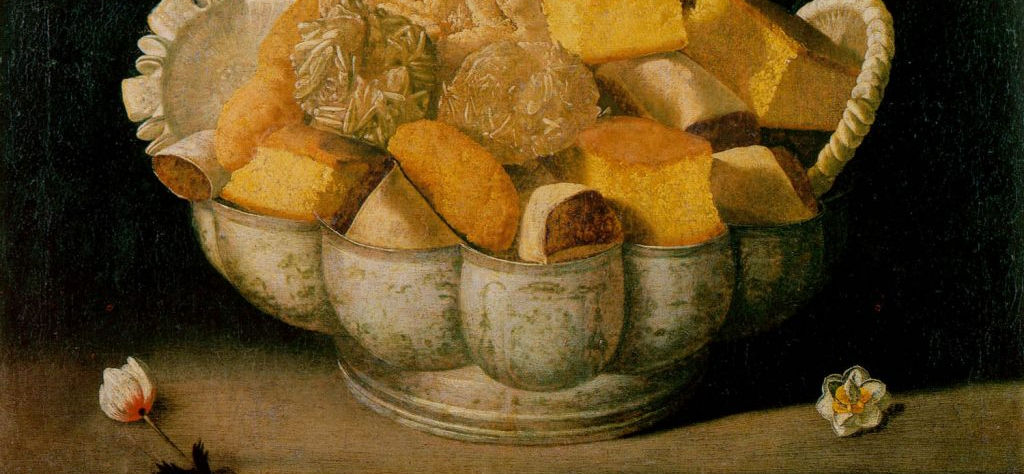
Josefa de Ayala Figueira was born in Seville in 1630, but it wasn't long before she left the Andalusian city to return to Portugal, where her father came from. Baltasar Gómez Figueira had moved to Seville intending to get ahead in his military career. Let's not forget that from 1580 until 1640, Portugal was part of the Spanish Monarchy. Baltasar had no luck in the army, but he did meet his future wife, Catalina de Ayala Camacho, a relative of the painter Bernabé de Ayala, who brought Baltasar into the world of Spanish Baroque painting, something that would prove key in the career of his firstborn: Josefa.
The biography of Josefa de Ayala's early years is hazy. Some sources claim that Josefa went back with her parents to Óbidos (the small town north of Lisbon that Baltasar came from and from which Josefa would later take her artistic name) between four and six years after she was born. The reason? The beginning of the end of the Spanish-Portuguese alliance. But other sources point out that Josefa did not return with her parents right away, but rather stayed on in Spain for several more years learning the painter's trade alongside Francisco de Herrera the Elder, the little girl's godfather and a prestigious painter and engraver in Seville.
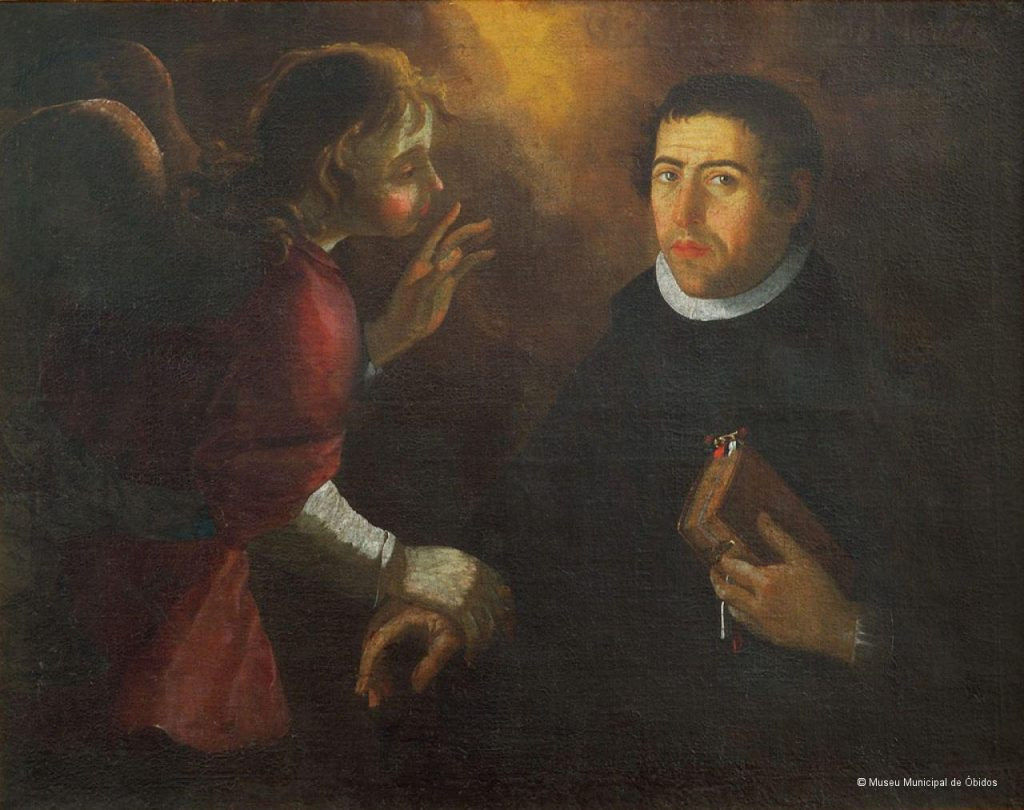
Josefa surely soaked up, in the buzzing artistic atmosphere of Seville in the first half of the 16th century, the various currents that were then triumphing in painting, with a transition under way between Mannerism and a tenebrist sort of Baroque that would be so successful in Spain thanks to painters like Zurbarán. But Josefa soon began to develop a style of her own, fully Baroque though it was, marked by a softening of religious scenes as opposed to the greater vehemence of the Caravaggist tendencies, and a taste for portraying children and angels.
Even so, before she could settle into an artistic career, she returned to Óbidos at the age of 14 to enter a convent where she still kept in touch with art. In the end, at the age of 23 she left the convent and took up painting professionally again at her father's side. At 31, and with her father's consent, she was declared an "emancipated maiden", a legal status that allowed women to work without a man's supervision.
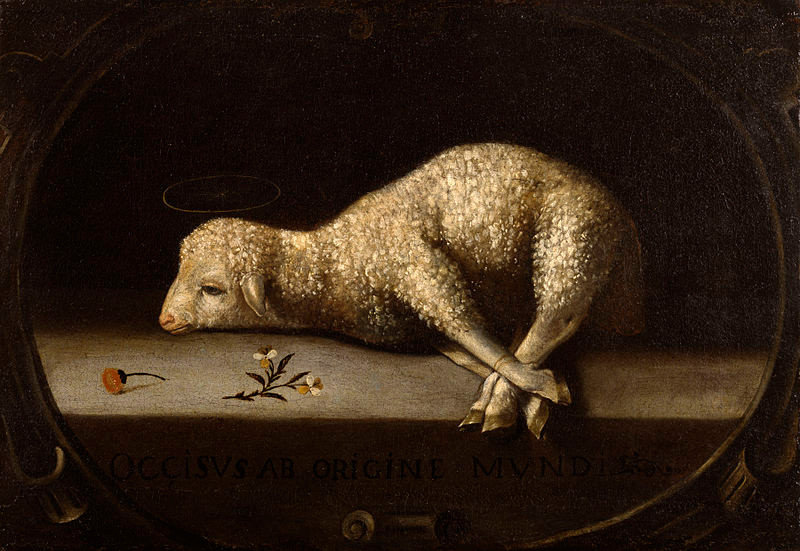
Was it her parents who let their daughter's creativity and independence develop without limits, or was this emancipation a strictly financial matter? Be that as it may, Josefa was able to throw herself entirely into her professional career until the end of her days. For more than two decades she was a leading figure of the Portuguese Baroque.
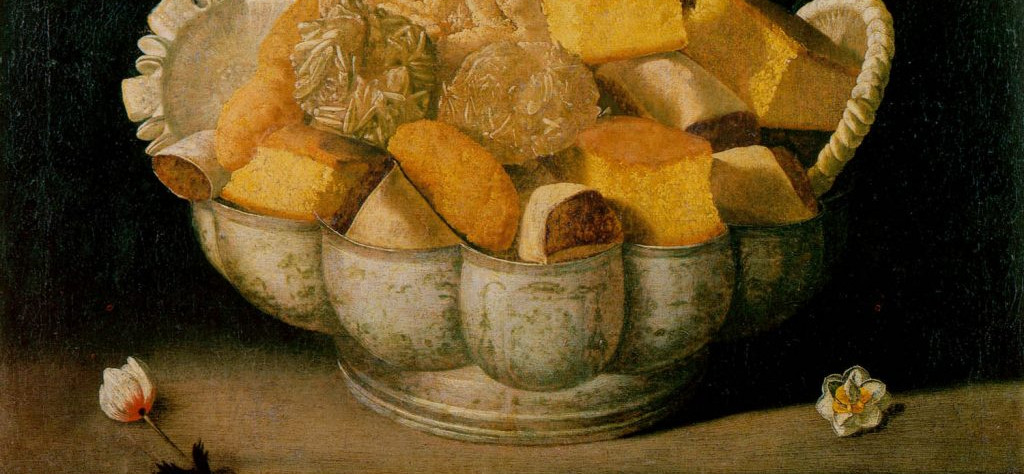
One of the genres in which her talent is most recognised is the still life, brought over from her Seville years. On her father's death in 1674, Josefa refused to carry on with his studio. Her independence was total: mistress of her art and her work, and aware of her talent, she began working with clients all over the country, taking on more ambitious commissions than in the days when she collaborated with her father.
According to Joaquim Caetano, curator of the exhibition on Josefa de Óbidos held a few years ago at the National Museum of Ancient Art in Lisbon, the artist's style "has nothing to do with a feminine aesthetic, but with a different way of seeing art and life that connects with the mysticism of Teresa of Ávila", a figure who was a real point of reference for Josefa and whom she portrayed on several occasions.
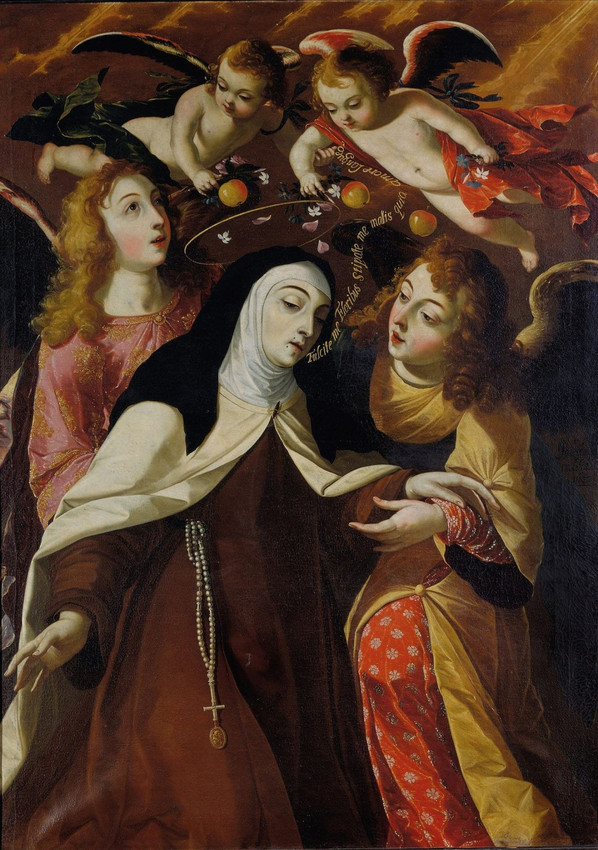
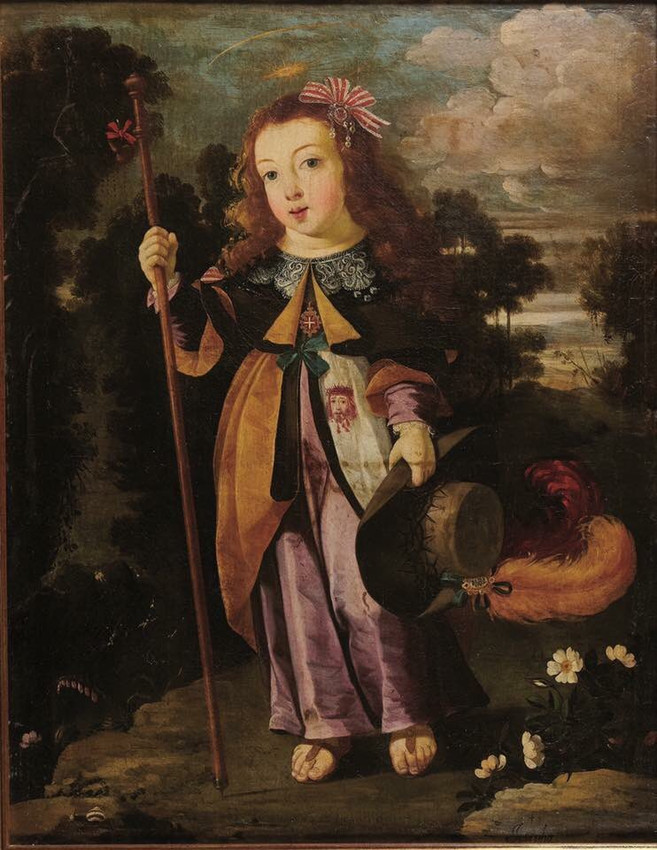
Josefa de Óbidos died at 54, at the peak of her career. Although the importance of her work has been valued unevenly over time, today she is considered an essential artist of the Portuguese Baroque. Just one figure to illustrate the point: last year, her Niño Jesús peregrino fetched 110,000 euros at auction… starting from just 15,000.
Comments (0)
Log in to leave your comment. Log in