
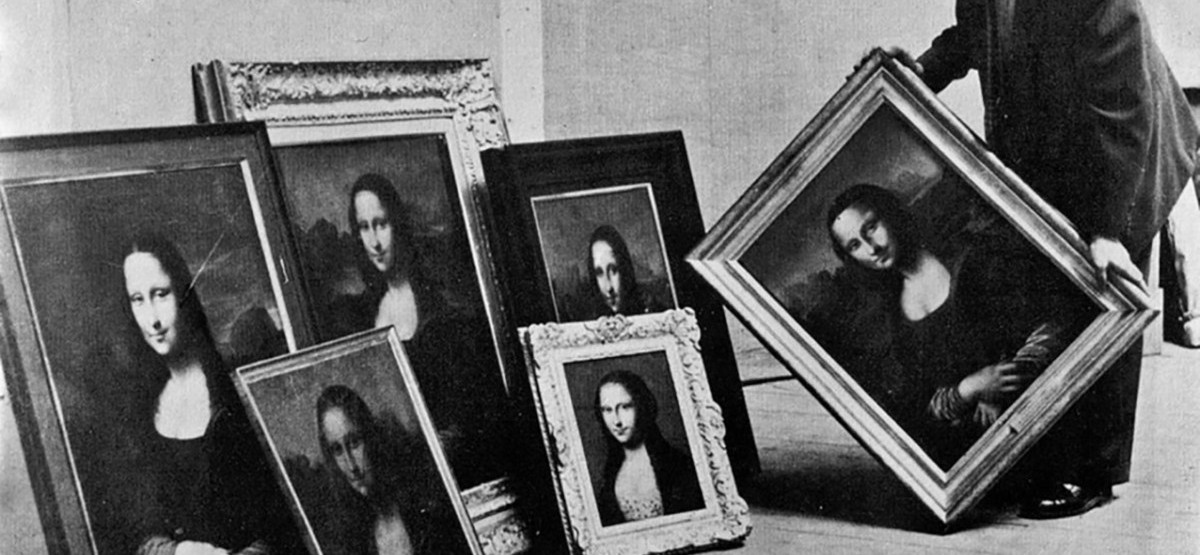
Art and chemistry. An odd couple that, with art forgery becoming more and more common, is turning into a specialty within Chemical Engineering. Because fake artworks, even those by the very best forgers, may fool the eye but not chemistry. Want to know how they do it? Step into a universe that newcomers know little about, one where there are even forgers who do this for a living!
On the trail of “Oswald”, the greatest art forger in history
The identification of Oswald Aulestia, born in Barcelona and considered the greatest forger in history, who was arrested when he was already past 70, came after years of constantly moving house while officially registered in El Eixample, where he did not actually live. This con artist managed to sell his forgeries for 4 million Euros in Canada, Europe and Japan. His favourites? Dalí, Miró, Chagall and Picasso. It wasn't until 2018 that the American FBI arrested him while he was living in the USA.
Not everyone has been as lucky as he was, though, since after all his arrest came when he was in his seventies, while in most cases forgers are caught much earlier. How is that possible? The paintings are absolutely identical to the originals to the human eye. We should even call the forgers themselves artists, for producing a copy so refined that, once or twice, people assumed the forgery might have surpassed the original. Either way, there is a series of chemical tests that give the fake artwork away.
The chemical tests used to spot fake artworks
The methods for detecting whether an artwork is fake or not are familiar to us from other fields of knowledge, such as archaeology, although in some cases they could easily come out of an episode of CSI:
- Prueba del carbono-14: La más común y popular debido a que también se emplea en la datación de huesos animales o humanos. Puesto que una pintura contiene compuestos orgánicos e inorgánicos y estos se distorsionan a medida que pasa el tiempo es posible determinar de cuando es una obra.
- Macrofotografía: Esta técnica consigue apreciar detalles en las obras a comparar que el ojo humano no puede.
- Luz de Wood: Muy utilizado en el mundo del arte para saber si una obra ha sido restauradda o retocada.
- Análisis electroscópica IR: Gracias a este análisis es posible analizar tanto los materiales como verificar si forman parte de un periodo histórico. Esto se logra mediante el estudio de los pegamentos, los pigmentos y las lacas.
Curious facts about the world of fake artworks
Did you know that even Picasso signed artworks that weren't his because they were really good? Some forgeries are so good that not even the greatest experts can agree on whether they are genuine or fake. And it makes us wonder: have we ever gone to a museum to see that famous artwork and come face to face with a forgery without knowing it!
Comments (2)
Jesus arriaga
July 3, 2021SANELLI
November 25, 2019Log in to leave your comment. Log in