
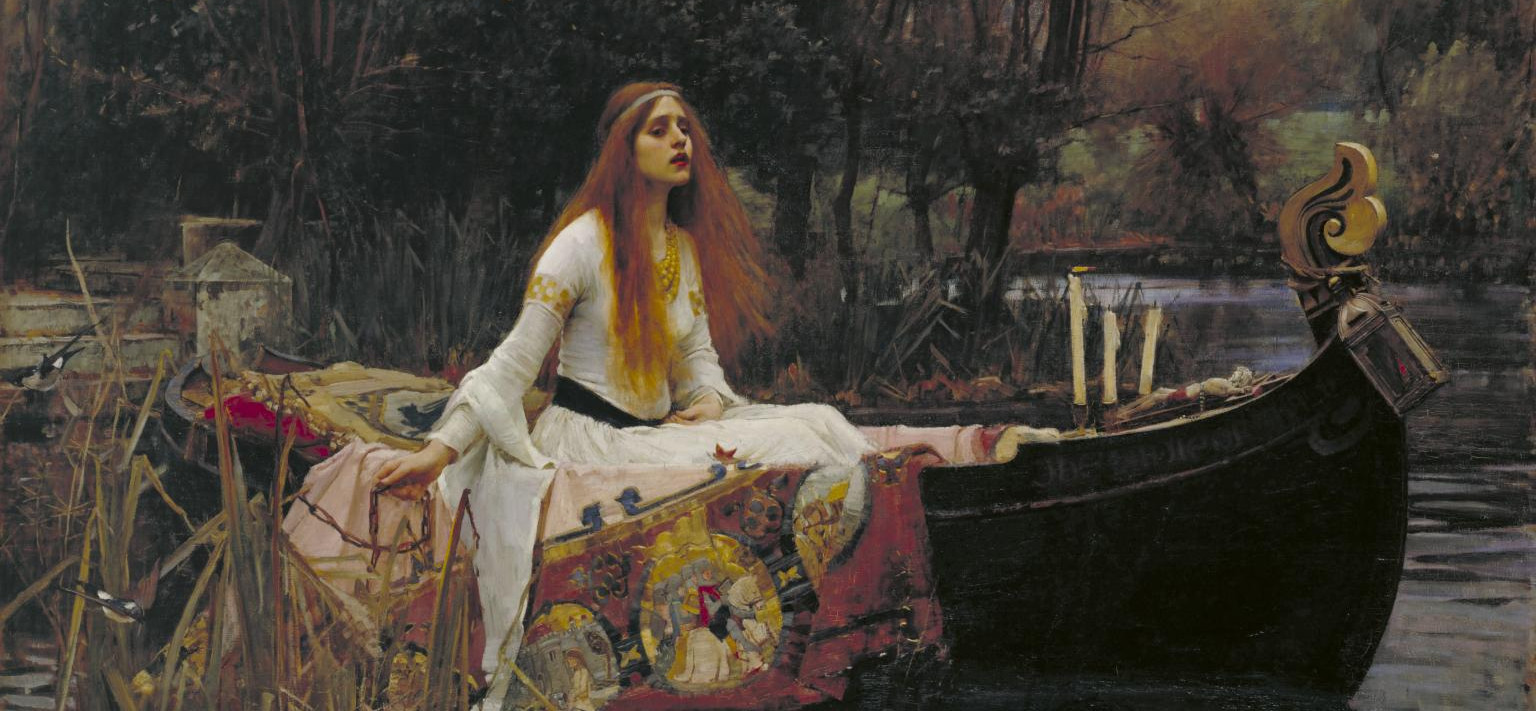
Human beings will always look back, especially when neither the present nor the future seem all that captivating. That's when nostalgia begins to idealize the past, and there is no past more idealized (or more captivating) than the Middle Ages. It was in this historical and emotional context that John William Waterhouse (1849 - 1917) set about painting pictures that were openly old fashioned in style and subject, dominated by a headlong romanticism and generally starring models of an immemorial beauty.
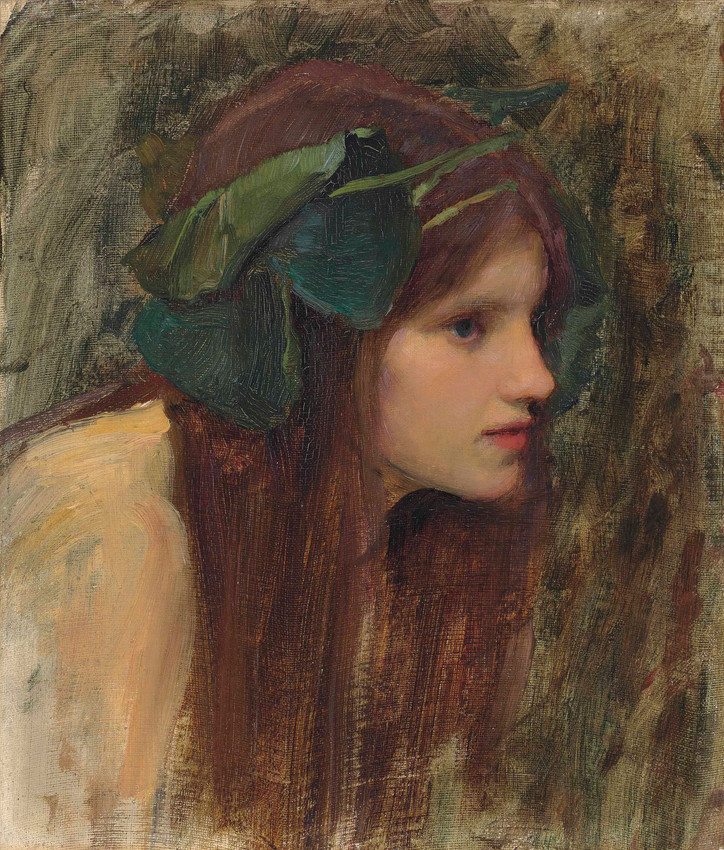
Waterhouse was nowhere near a pioneer of this medieval revival. Quite the opposite, the British painter was born a year after the inaugural session of the Pre-Raphaelite Brotherhood. Led by painters like John Everett Millais and Dante Gabriel Rossetti, that short-lived group brought to painting a taste for digging up a mythical past that could work as a fortress against the din of industrialization. Not for nothing were figures like John Ruskin key to shaping the archaeological historicism that would have such an influence on British romanticism and neoclassicism.
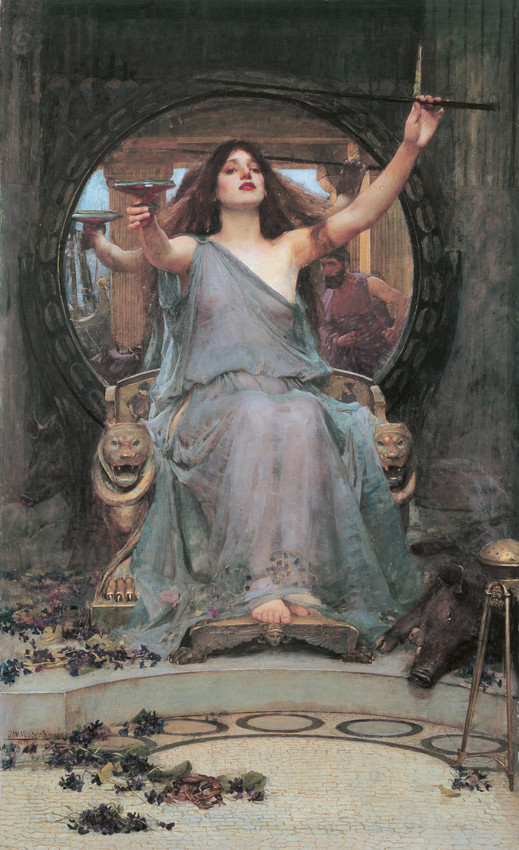
In a way, many British artists were reacting against the noisy, greasy present of the machine, fleeing towards a legendary past of cloak and sword, of Shakespeare and King Arthur. They knew women weren't as beautiful as they appear in their pictures, nor knights so phlegmatic, but they preferred to believe their own lies rather than be run over by Rain, Steam and Speed.
It's in this reactionary context that John William Waterhouse starts looking back, soaking himself in old literature and mead and turning out artworks archaic in style but contemporary in soul. His thematic references are, essentially, classical myth and Shakespearean literature.
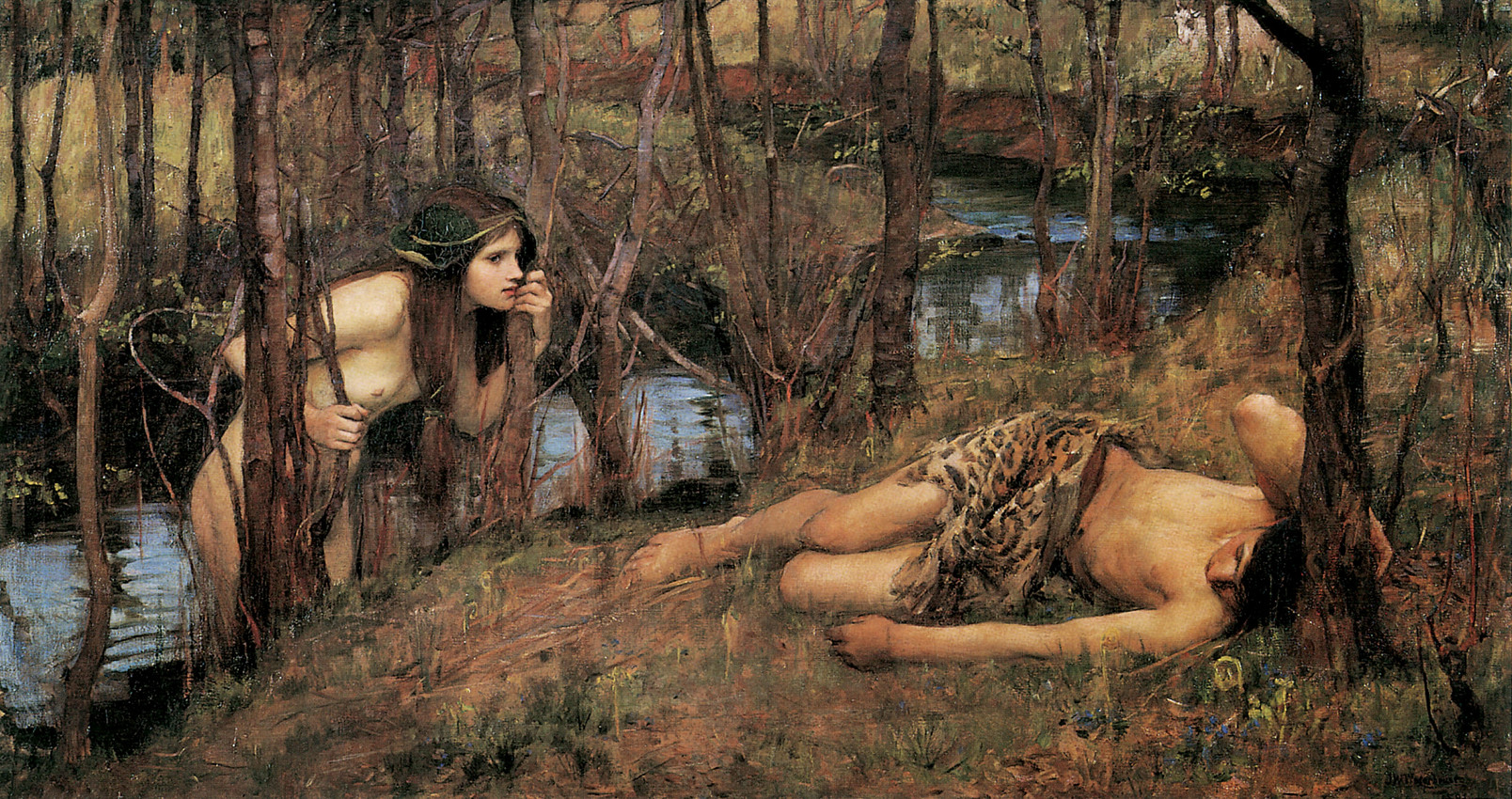
He knew the works of Pre-Raphaelitism well, but he preferred less radical aesthetic principles. He wasn't trying for a tight brushstroke or microscopic precision. Rather, his style tried not to get in the way of the real protagonist of his artworks, which is the atmosphere.
Because many of Waterhouse's pictures make you fall in love with their mysterious atmosphere, with the thrill of witnessing a marvellous enigma in two dimensions that the viewer has to solve. His figures, generally female, have over time become icons of beauty, the epitome of melancholy.
Waterhouse was successful enough in his lifetime to live off his art. His work was considered a forerunner of symbolism, a tendency that burst open in the last two decades of the 19th century, only to be quickly torn to pieces by the avant-garde. And so, for most of the 20th century, Waterhouse's work, like that of many of his revivalist colleagues, fell into oblivion. Nobody wanted to see a realistic scene, not even in paint, however symbolist it might be. The avant-garde steamroller flattened the dissenters: Waterhouse's women took their potions elsewhere.
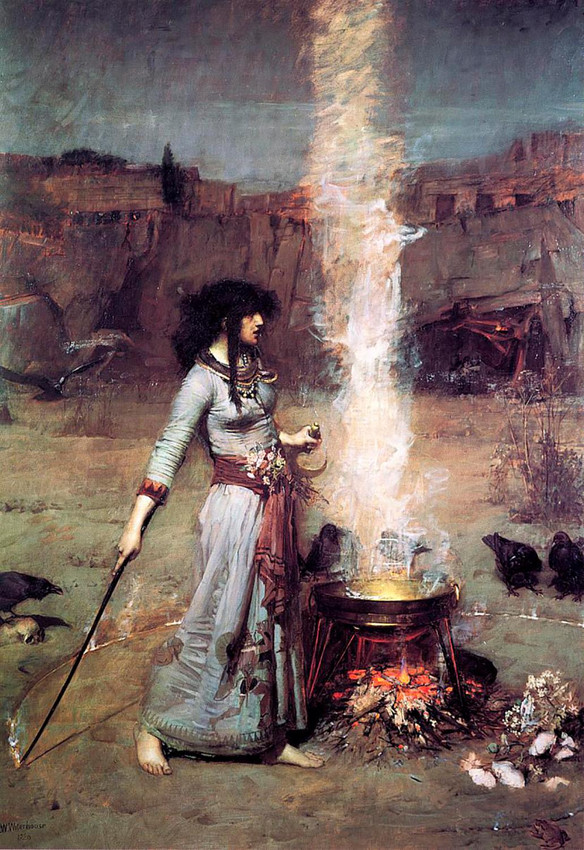
But fashions come and go, and at the end of the 20th century Pre-Raphaelitism found fervent admirers again. The entertainment industry, cinema in particular, rescued Waterhouse, and many of his artworks became aesthetic references for huge productions like The Lord of the Rings.
And in a context like today's, marked by a suffocating technological revolution, many dissenters are reacting against the noisy, silicon present by fleeing towards those mythical pasts with no smartphone and no WiFi. Waterhouse is back.


Comments (0)
Log in to leave your comment. Log in