
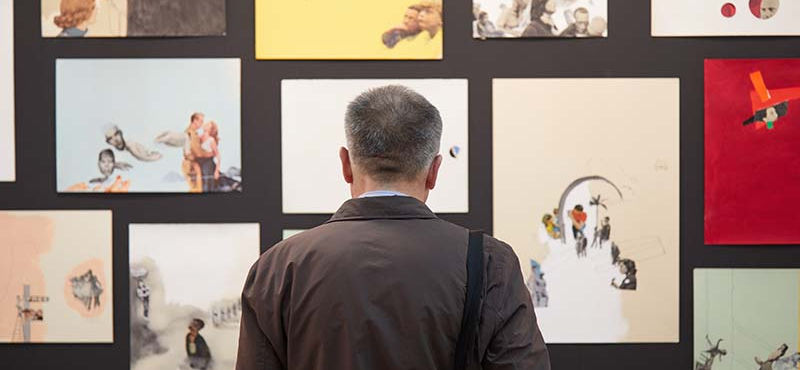
We've talked to you before about this same subject at a basic level. You know, emerging painters and how to keep track of them, but is that the only piece of advice you can give when it comes to art? Not at all. At some point, every art lover asks themselves the big question of whether they can make the leap and start collecting without losing money. Well, a few starting recommendations are more than enough to keep anyone from “pulling a fast one on you” and, of course, some of them always involve a figure of authority who validates your choices. After all, needing an art expert is as natural as hiring a plumber...only less common. Let's get to it!
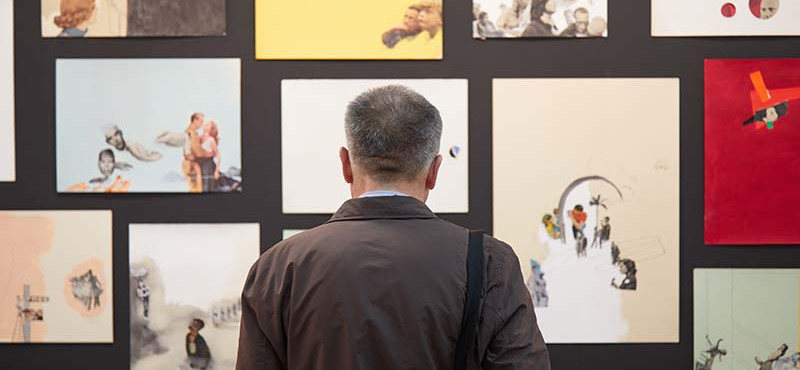
5 recommendations for starting an art collection
#1.Start by getting to know the ground you're standing on
It goes without saying that when someone invests in the stock market, the investor has at least an intermediate knowledge of the ground they're moving on. Why should investing in art be any different? Get to know the best known art galleries, the less common places to buy (from flea markets to antique shops), fairs or exhibitions. All of that, together with studying art, will give you a wider perspective.
#2.Patience
Investments take their time and, if you don't want to lose money day in and day out, we recommend you arm yourself “to the teeth”, because otherwise all you'll get is frustration. To keep that from happening, you can hire an art expert.
#3.Not just emerging artists
It's a classic, isn't it? The popular imagination has picked up on that collector who buys an emerging artist's artwork for very little and then sells it for much more. That's very appealing, but it doesn't always happen. You can alternate emerging artists with others who have a more established career.
#4.Don't only think about buying and selling art
It's more common than it seems for art collecting to be seen as an investment before it's seen as a pleasure. While it's true that investing in art is an interesting option for anyone who wants a diverse investment, the reality is that a collector has to love art and, in a way, should have a personal collection, one that's part of who they are.
#5.The arbitrariness of prices isn't arbitrary at all
Among the doubts of those starting out in art collecting, how prices are set is always one of them. How do you assess the price of an artwork? There really are variables, and they are provenance, authenticity (in the case of old artworks), the condition it's in, the quality of the artwork or its exposure.



Comments (0)
Log in to leave your comment. Log in