
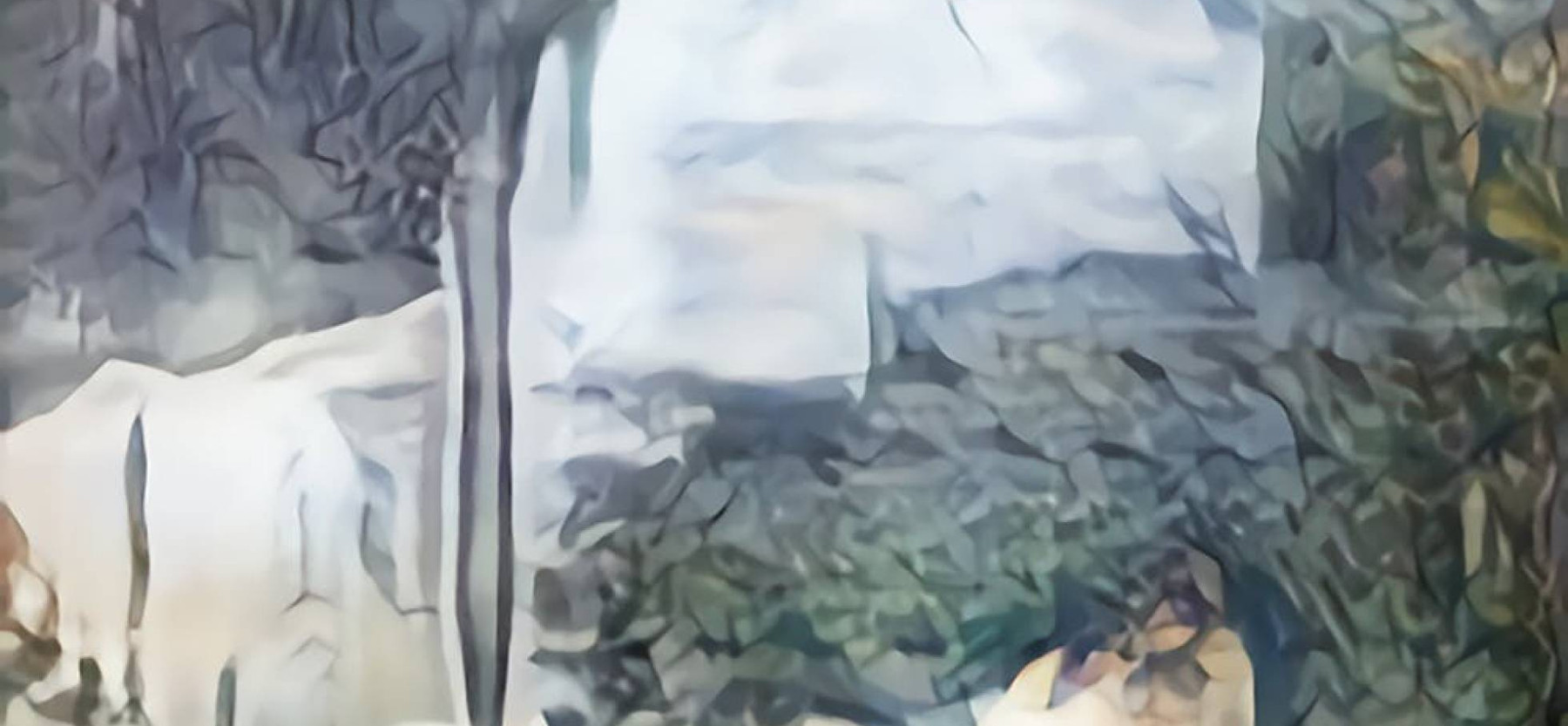
A while back the news came out that an artificial intelligence had appeared that was capable of emulating artists. It was an emulator that had “learned” every pictorial period and had managed to create new paintings. Its name was AICAN and it had been created at Rutgers University. Even today it's still surprising that some of these artworks have gone up in value in the US and become genuine breakout pieces.
Can what AI does really be considered art?
The question we're dealing with is a philosophical one, and rightly so. Art has been a key piece in the development of human civilization. In fact, it's intimately tied to our culture, so it's normal for this concept and that of a mechanical act to be opposites but, what if that machine has enough creativity to develop an artwork? Will it be true creativity or just the use of a series of patterns? And now yes; can a series of patterns be considered art?
The truth is that regardless of the philosophical content we might pin on these paintings, their performance has made it possible for some of them to sell for hundreds of thousands of euros. Is this the end of art or a new artistic generation? There are opposing opinions, but back in 2017 the director of Future Lab e Arts Technica accepted that this was just one more change of paradigm and that art was an “intrinsically human” activity.
Hörtner, galloping between art and innovation
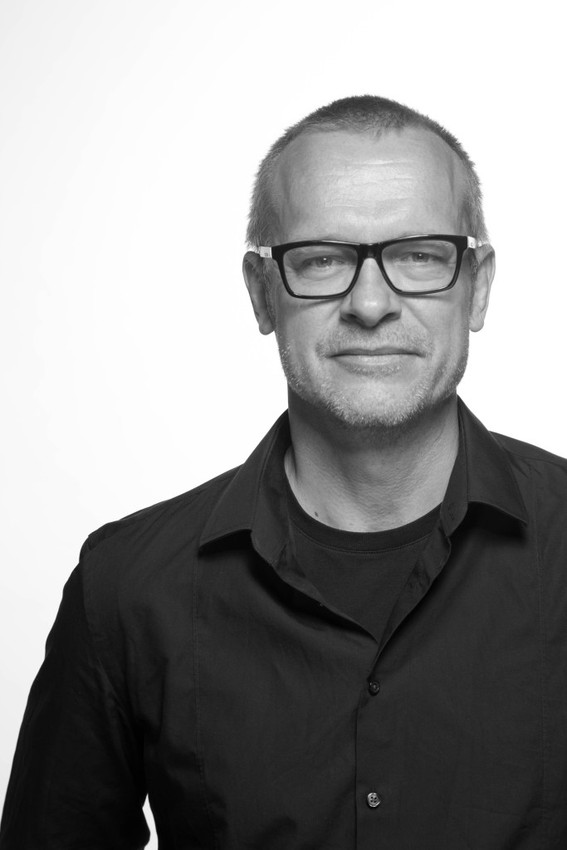
This Danish artist, who also holds an important role in the technology and innovation department Future Lab e Arts Technica, sees no threat to artists in the development of artificial intelligence. As he puts it; “there's no machine that can take the place of the work done by artists”. For him there's a well defined line separating the learning of patterns and technique from the reflective work implicit in the creation of an artwork. It goes far beyond a technique or a deep knowledge of the elements that make up one artwork or another. In a way, a machine can learn to create a painting based on learned parameters, but there will be no defined intention, no taste, it will simply be a mathematical act.
The debate is on the table and although Hörtner insists that art will carry on as we know it, there have already been real cases of paintings created by an AI being sold for a whopping 435,000 dollars. Behind this artwork titled “Edmond De Belamy” is the collective Obvius Art. The procedure for creating it was based on the GAN neural network, which involves the automatic learning of algorithms.
Conclusion (OPINION)
We've lived through countless revolutions and stages throughout history. When the Industrial Revolution came along, plenty of people were suspicious. The same thing happened with the arrival of cars or electricity itself. From feminism to the Anti-Apartheid movements, all of them have been essential for human development. But we mustn't forget that everything that changes the world is also convulsive and traumatic. Changing is essential, but it's hard, and it's normal for human beings to struggle to leave behind a reality that's already familiar and comfortable. Still, looking forward in every area isn't letting the past die, it's starting a new stage that doesn't have to exclude anything. Did the e-book put an end to the paper book? It's time to add GANism to our list of artistic terms. Who knows what this wonderful, revolutionary artistic universe opening up before us has in store?
https://www.youtube.com/watch?v=hws1ZTlkz_I

Comments (1)
Armand Gran
July 18, 2019Log in to leave your comment. Log in