
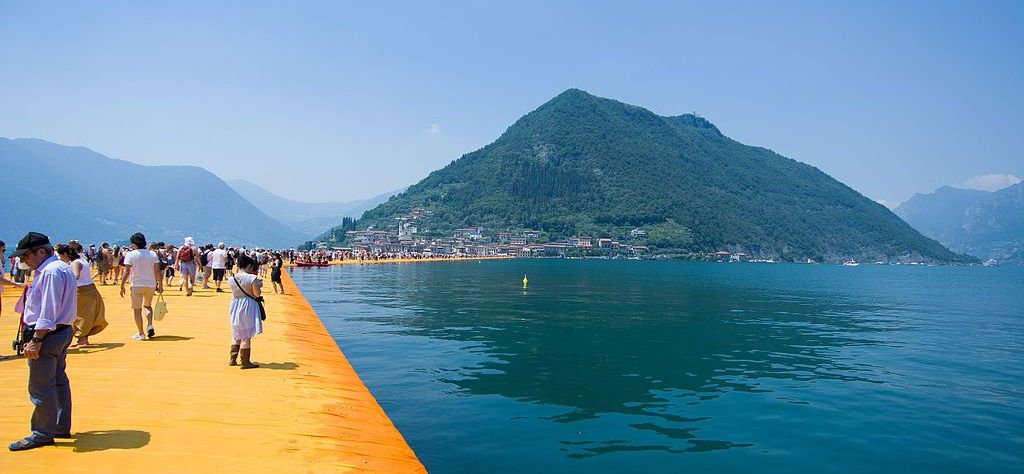
Sculpting nature. That's Land Art. Finding in every landscape an improvised studio on which to immortalize an artwork. The rules? You can't use any materials other than the ones available in the surroundings. In a way, these artworks bear some resemblance to the crop circles that conspiracy theorists put down to aliens. Land Art is the art of making use of everything around the artist to create an artwork. Some of these artists have not only pulled it off, they're also staking a claim for natural formations as a new place to work.
Where it comes from and what sets Land Art apart
The first Land Art works have their origin in the American Midwest in the 1970s, right when crop circles were starting to attract attention and the myth that they had been made by aliens was growing. Land Art really does have a lot to do with that belief. Today there are experts who link those circles to a need among artists of the time to stir up emotions around them.
Either way, Land Art always has the environment at the core of its artwork. Anything from a desert to a mountain can become the canvas on which the artist sets down the artwork. There are different methods for creating Land Art, though the most common one is using materials from nature (and also the most purist).
This art is also closely tied to photography. In fact, with many of these artworks it's impossible to see anything unless you get a long way off and photograph it. There's a certain relationship between the two arts. So much so that, in many cases, Land Art works have to be captured visually in order to travel beyond a natural setting and reach art galleries and museums.
They weren't crop circles, they were Land Art
If there's one kind of Land Art that has caught everyone's attention, insiders and outsiders alike, it's crop or harvest circles. We'll never really know 100% who made those circles, so the air of mystery will never fully go away. Even so, there are already several scientific studies claiming the circles were made by people, possibly by local farmers who were expert handlers of farming technology.
In any case, it's still just an anecdote within the universe of Land Art, which, apart from that, keeps leaving behind a bigger and bigger legacy year after year.


Comments (0)
Log in to leave your comment. Log in