
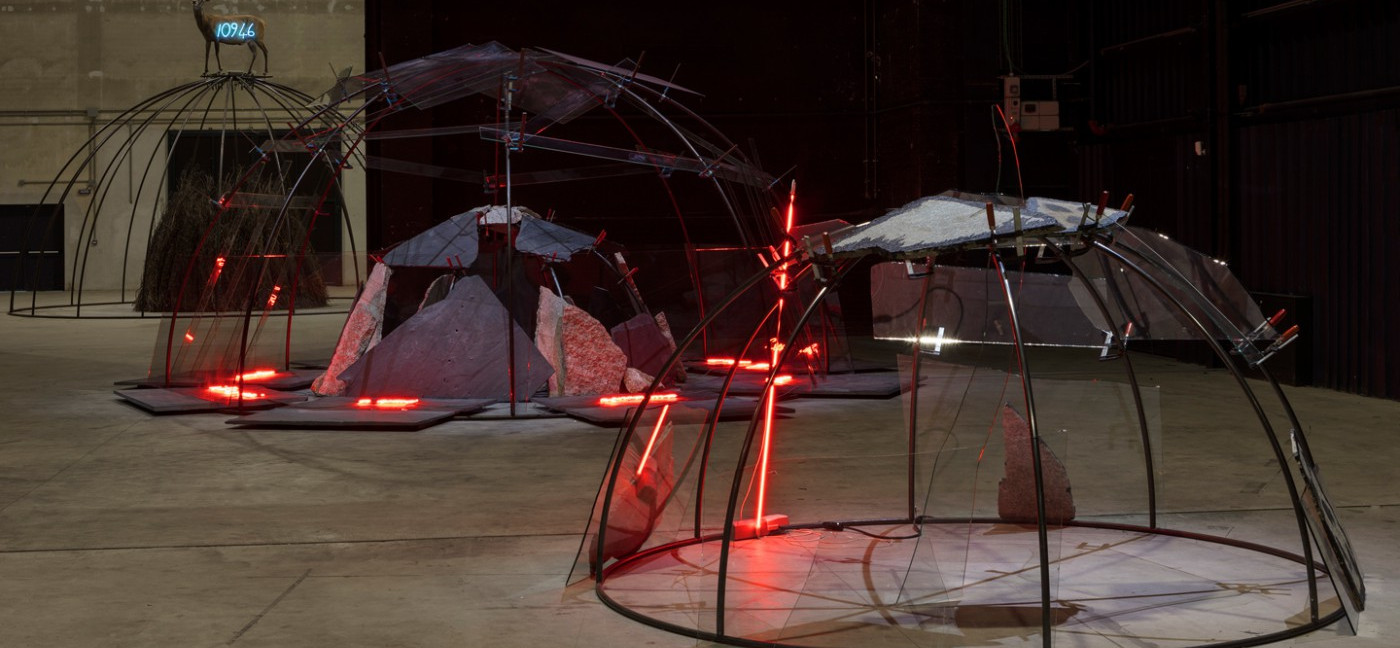
From 10 October, the Palacio de Velázquez in Madrid's Retiro park will host a Mario Merz retrospective organised by the Reina Sofía in collaboration with the Fondazione Merz. It's one of the best chances to get to know what's known as arte povera through one of its most distinguished names.
Art historiography often refers to Mario Merz (1925 – 2003) as a “committed” artist without realising that the term is little more than a euphemism. Committed, yes, but to what? And it's when it comes to answering that question that the analysis gets complicated, less skin-deep, more substantial.
Actions speak louder than words, and commitment is proved by doing. And Mario Merz has a long track record of doing... ever since the day when, so the legend goes, he decided to become an artist while behind bars in a prison in 1945. Merz belonged to an anti-fascist movement at a time when his Italy was beginning to question whether its political and social drift was anything more than a nostalgic, devastating delusion.
In prison, Merz started using every kind of material that came into his hands (things weren't exactly right for asking the guard for a brush and a canvas), and began to develop an interest in the artistic recycling of objects and materials.
But it wasn't until the 1960s that Mario Merz became fully aware of his aims as an artist. Capitalism was starting to show a friendly face in the western world, which turned it into an (almost) perfect Machiavellian machine. Tearing down the status quo imposed by this mechanical monster would be far harder than getting rid of Mussolini and his lot.
In the mid-60s, he began to include umbrellas, paper, metal plates and other waste materials in his canvases. Povera was born, an art marked by an anti-elitist aesthetic that aims to stir consciences numbed by consumerism. Although plenty of 20th-century artists and currents shared that intention, povera stands apart through its use of recycled materials in search of a non-representational art, rejecting the cynicism of Pop art and the self-absorption of the expressionist tendencies.
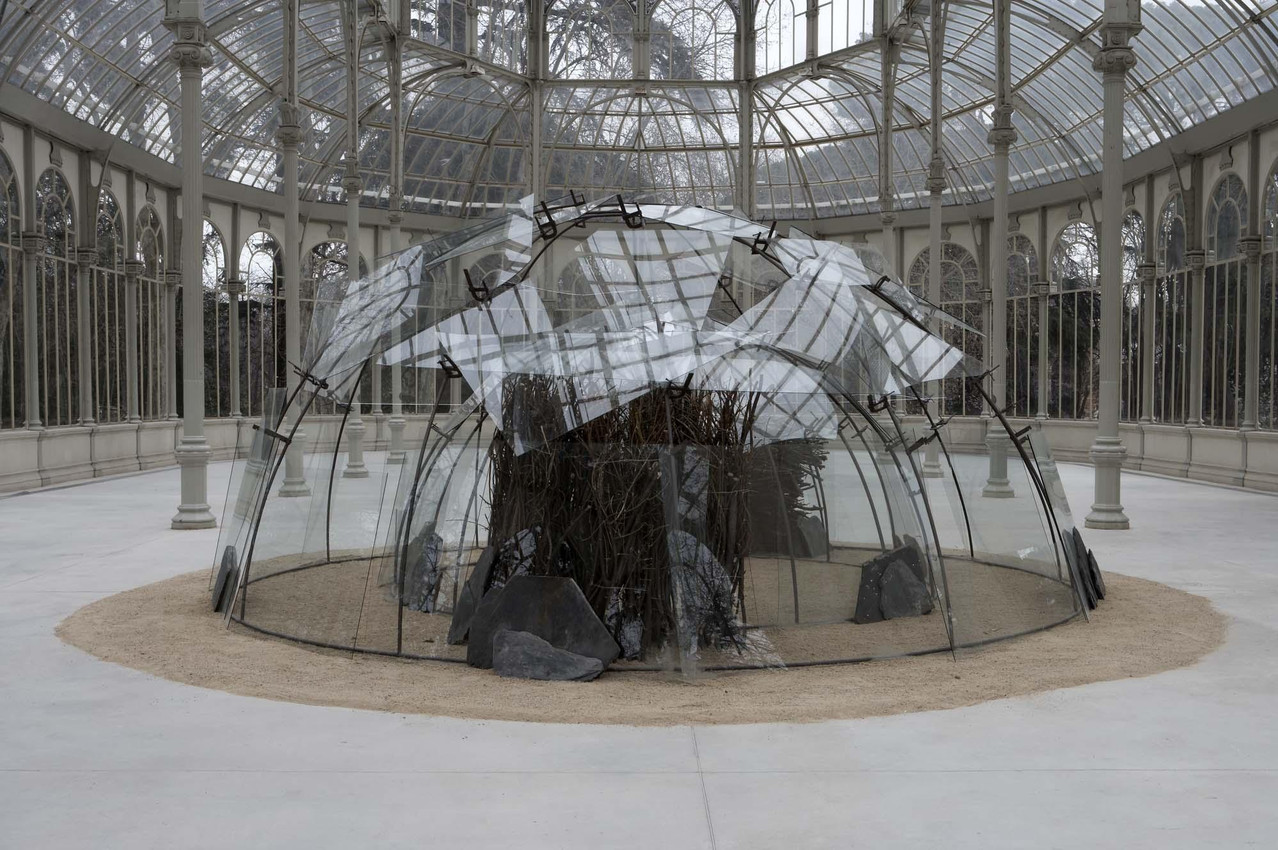
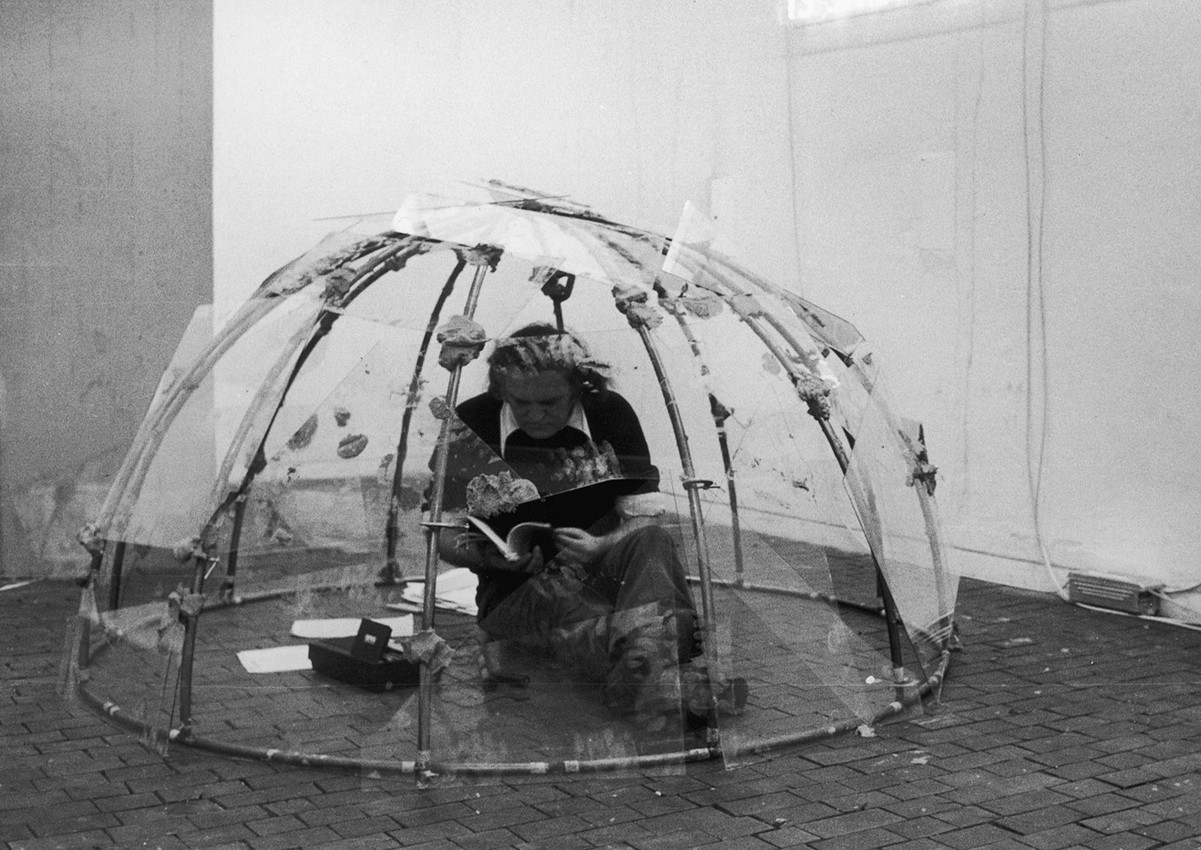
The povera artists try to root art back in the earth, returning the human being to nature. In this context, Mario Merz discovers his favourite motif: the igloo. Merz's "absolute hemisphere" became his personal trademark and stayed with him for a good part of his career. Likewise, and in furious contrast with the use of organic materials, the Turin artist brought in neon, giving his artworks an unmistakable look.
So? Is it possible to spot this humanist, anti-capitalist commitment in Mario Merz's work? From 10 October in Madrid's Retiro there'll be time to answer this and other questions.
Comments (0)
Log in to leave your comment. Log in