
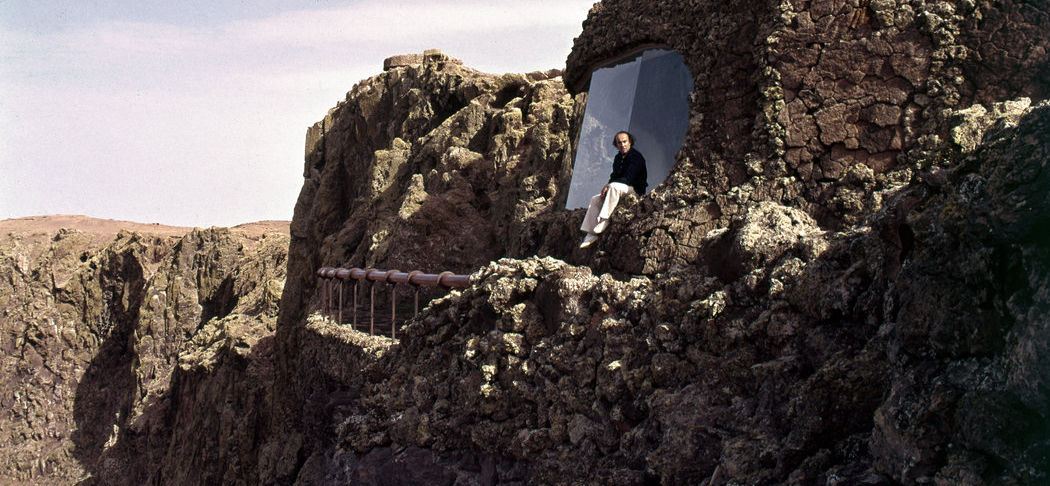
You can't visit Lanzarote and ignore the figure of César Manrique, among other things because the island's airport bears his name. Rarely in the history of Spanish art has there been such a deep connection between an artist and his home. Because for Manrique the island of Lanzarote wasn't just where he was born and lived: it was his artistic raw material, his inspiration and his obsession.
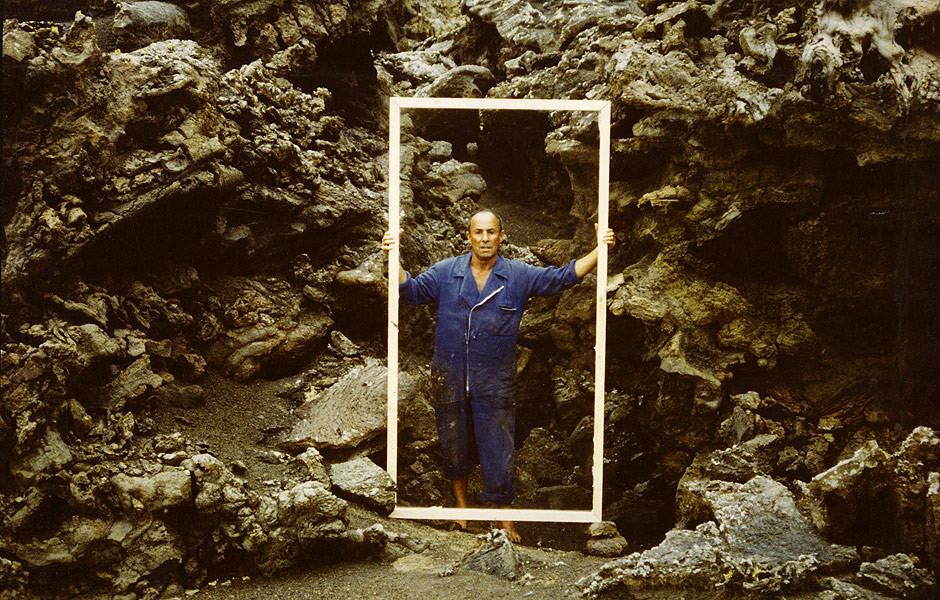
He fought hard to hold back the speculative tsunami that mass tourism spread across much of the Canary Islands. Manrique is said to have been one of the first ecologists at a time when everyone in Spain seemed to be salivating at the foreign currency tourism was bringing in. The Canarian artist saw a dilemma coming before it appeared: how do you combine the travel frenzy with the sustainability of tourist destinations?
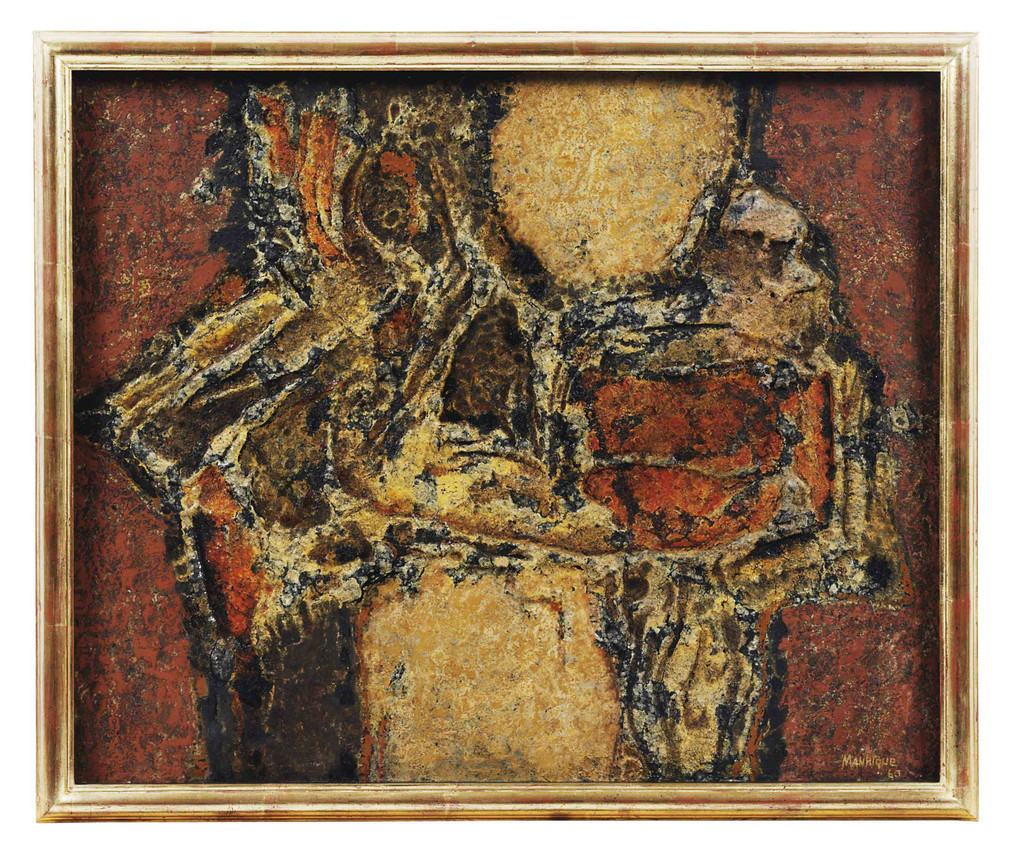
But before César became Lanzarote's prodigal son, he trained as a painter in Madrid. There he was caught up in the fashionable trends of the European avant-garde. Material informalism, which also interested contemporaries like Tàpies and Millares, fitted him like a glove: it was the ideal style to capture his passion for volcanic lava, for the mixture of materials on the surface of the painting. Lanzarote onto the canvas.
In the 60s he got the chance to live in New York. Not a bad plan. On the one hand there was the hippie revolution, whose ideas (often rather woolly, admittedly) chimed so well with his own. But professionally it was a golden opportunity: the Pop explosion was about to bury the frenzy for abstract expressionism. Both tendencies would matter for the artist's future career too.
The thing is, César Manrique always took pride in a syncretic view of art. Every trend, every resource, could be put to use in the artwork. What's more, with his initial training as an architect and his obvious passion for nature, the main motif of his work, the Canarian artist was about to find his creative niche. But for everything to finally fall into place he had to cross the pond again and return to his beloved island.
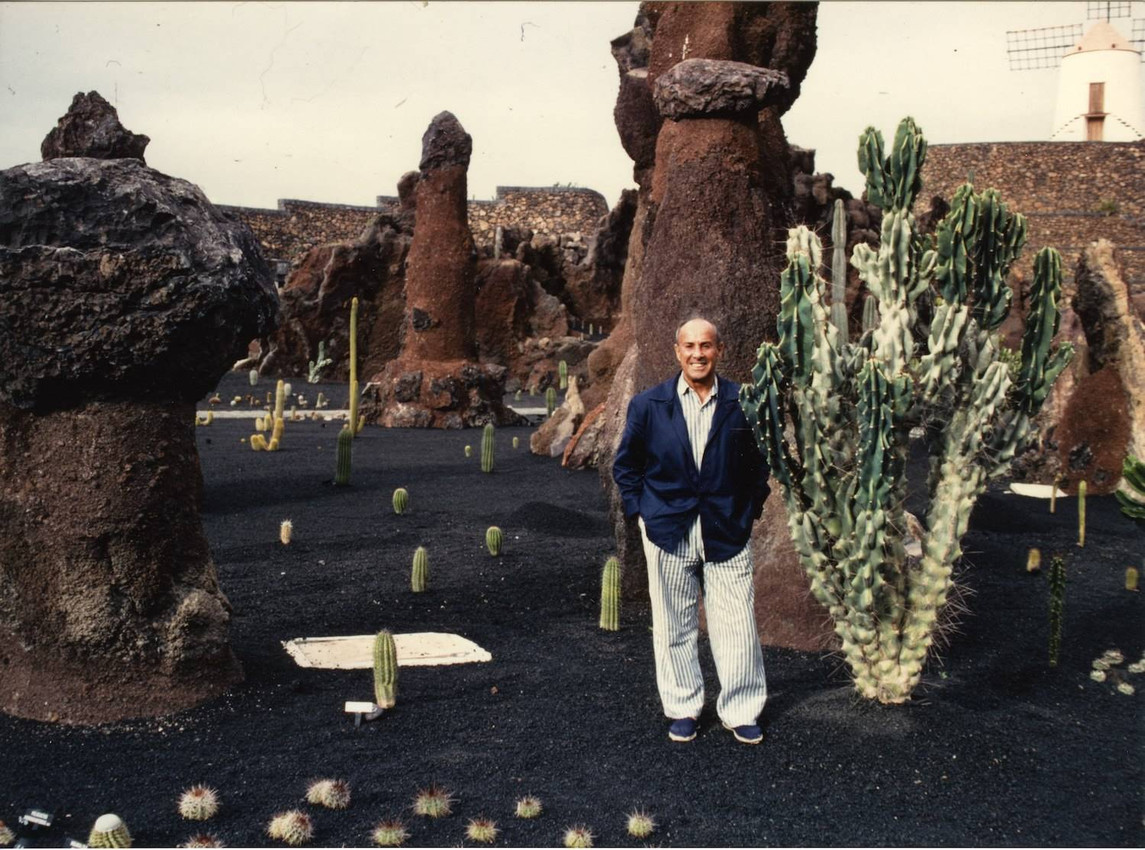
1966. Manrique comes home for good. He is 47 and has a long career behind him. But the best is still to come. With mass tourism in full bloom, César knows how to charm the island's authorities, among them Pepín Ramírez, president of the Cabildo of Lanzarote, and Manuel Fraga himself, then Minister of Information and Tourism.
At the Taro de Tahíche he builds his future home on top of five volcanic bubbles. It is one of the first examples of total art (as Manrique himself would define it) that changed the look of Lanzarote, an island that at the start of the century "didn't even appear on maps", considered too barren for any kind of economic use.
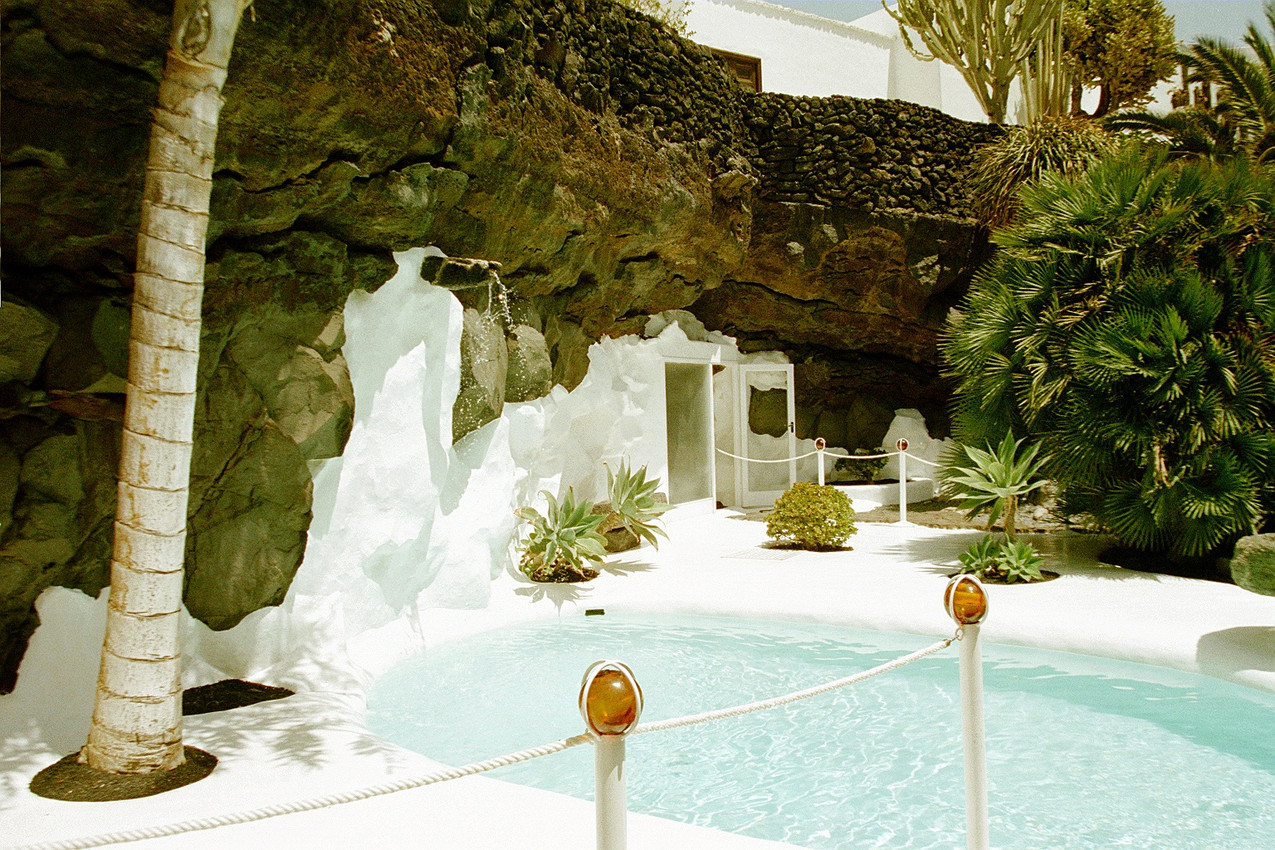
But Manrique had a plan that went beyond the language of productivity. He was an artist and he thought like one. Although some of his ideas were openly far-fetched, César spread his madness in the right place at the right time. The result is an island associated with his figure and his refreshing interventions in natural settings.
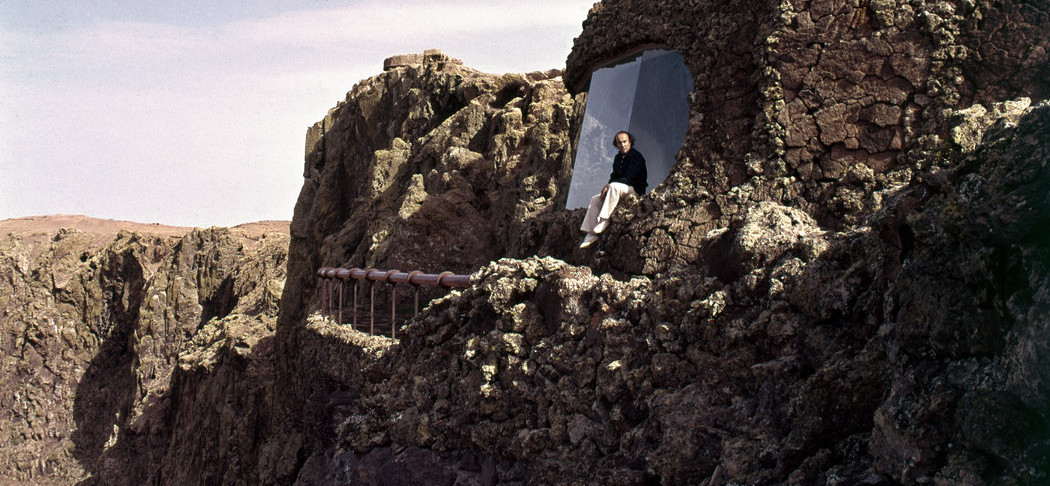
Manrique's aura stayed bright for the rest of his life. In fact, the Canarian artist was even invited to collaborate on the design of a controversial shopping centre in Madrid's Pilar neighbourhood. One more sign of the artist's unpredictable nature. Even though little remains today of Manrique's total art at La Vaguada (one of the most successful shopping centres in the capital), it's another example of the Canarian artist's pioneering streak.
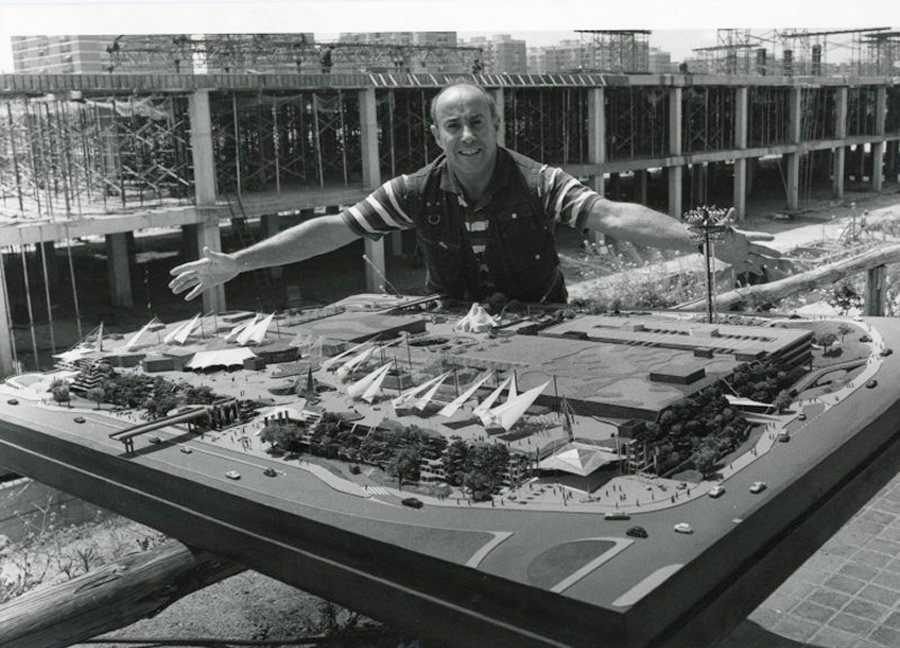
And the fact is that, in many ways, César Manrique was ahead of his time. That mad goat who ran along the island's beaches went on watering crazy, marvellous projects all over Lanzarote and beyond until 1992, the year of his early death.
Comments (0)
Log in to leave your comment. Log in