
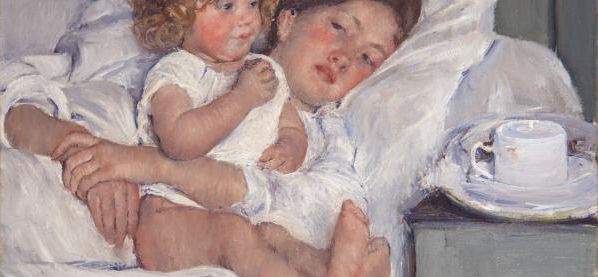
Long before the dealer Paul Durand-Ruel brought French Impressionism to New York in 1886, Mary Cassatt was already a successful artist of the movement. How did she pull it off?
Mary Stevenson Cassatt (Pennsylvania, 1844- Château de Beaufresne, 1926) was the only North American artist to take part in the group's exhibitions in Paris. Moving to the French capital let her absorb the style at close range, producing more original work than many of her compatriots.
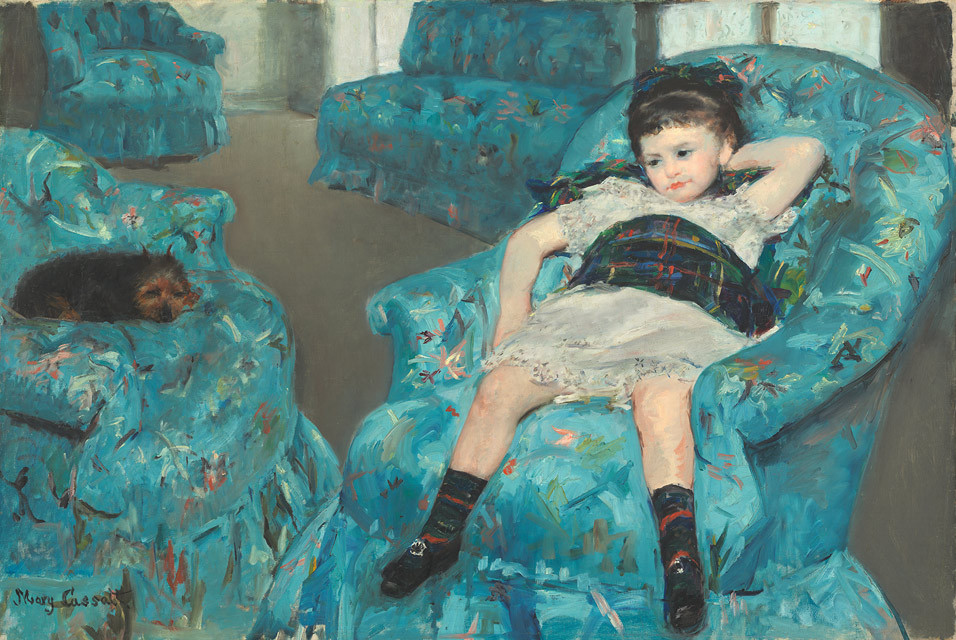
Her family belonged to the upper class and that financial position helped her professional development. As a child and a teenager she studied music and drawing, spending long stretches in European cities because of her father's business. That very early contact with art and culture awoke in Cassatt the desire to devote herself to painting. And she decided Paris would be the place to work, escaping the condescension of the art circles back home. To do that, first, she had to deal with her family's initial opposition.
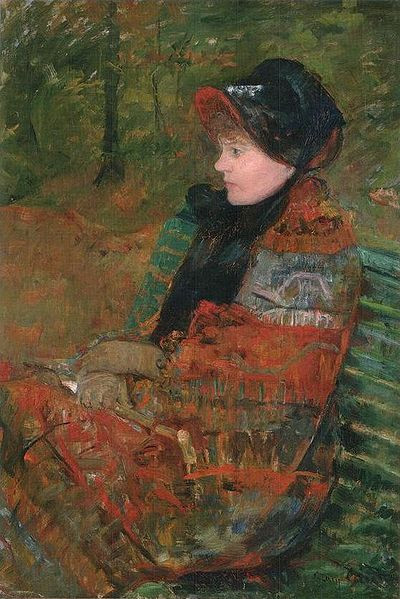
Once there, in 1865, and having been turned down by the École des Beaux-Arts, which did not admit women, she carried on training on her own. She took private lessons from academic painters such as Jean- Léon Gérôme, copied the old masters at the Louvre and, whenever she got the chance, visited other European galleries.
In 1868, her canvas El jugador de la mandolina was accepted at the Paris Salon, a circle she soon broke away from. She embraced Impressionism from early on, when Edgar Degas invited her to join the group in 1877. She was the only North American officially associated with the movement, that is, who exhibited with them. And she did so four times, in the shows of 1879, 1880, 1881, 1886, with her paintings very well received.
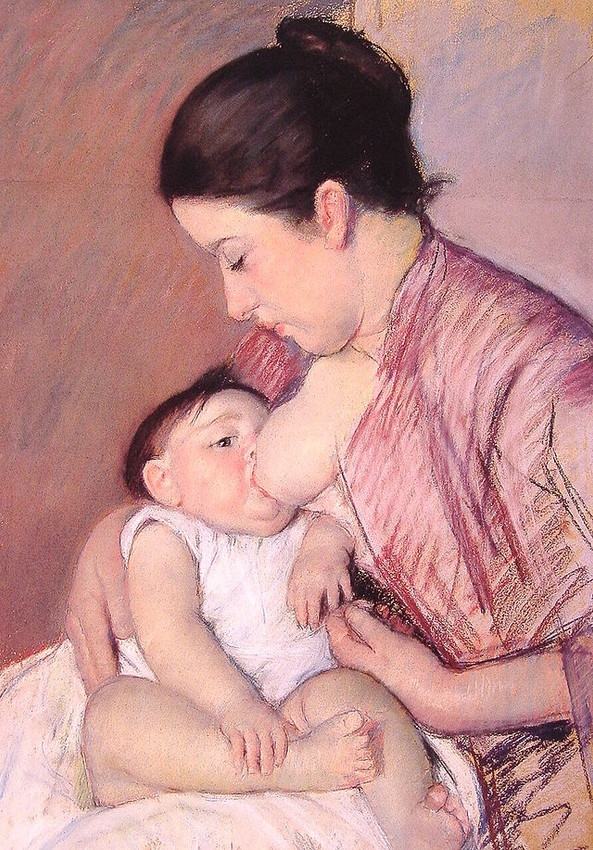
She kept a close friendship with Claude Monet and Berthe Morisot, though her mentor was Degas. She also took in a strong influence from Camille Pissarro and Édouard Manet. Cassatt reworked her technique, her composition and her use of colour and light. For her subject matter she chose to depict the lives of women in her own social circle.
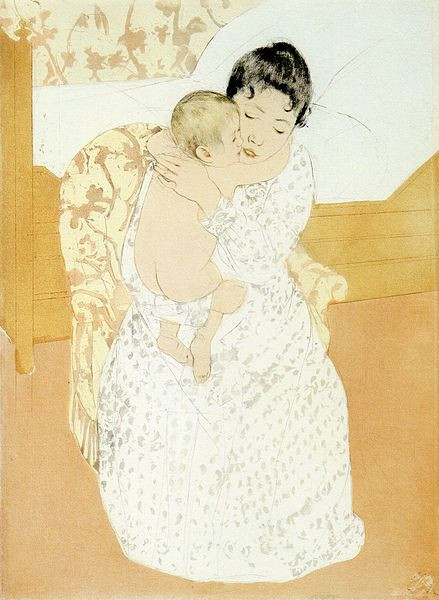
Her most personal touch, though, came later. When she specialised in intimate scenes of mothers and children, handled with great tenderness and naturalness and creating a strand of her own that isn't found in the output of other Impressionists. She also experimented, very successfully, with Japanese printmaking and pastel. Over time, her brushwork grew more faithful to reality.
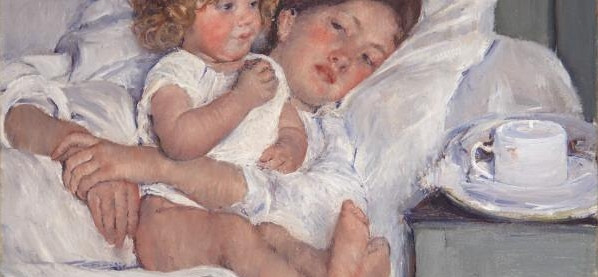
But Cassatt did more for Impressionism. Thanks to her comfortable financial position, she was able to buy plenty of works by her colleagues. And in the United States she became one of the main champions of the style, organising several exhibitions and encouraging the country's wealthy to acquire Impressionist artworks.

Comments (0)
Log in to leave your comment. Log in