
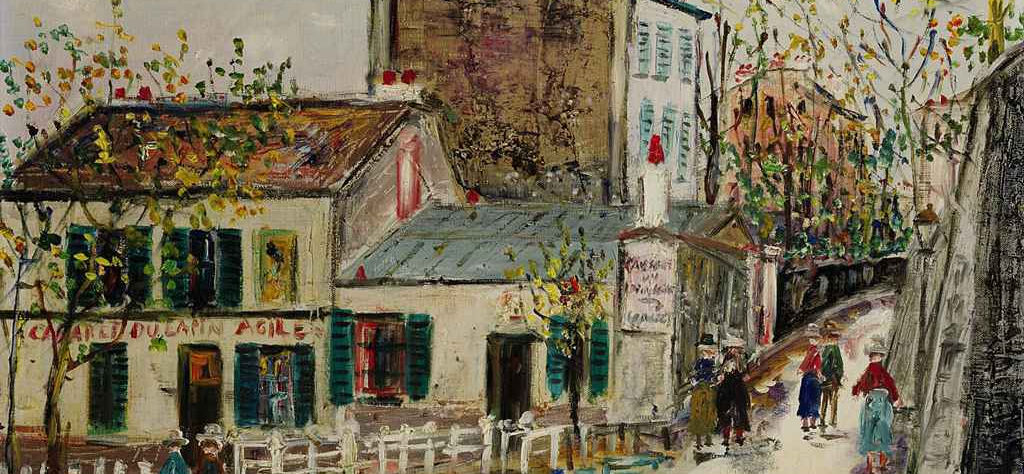
The painter of Montmartre, the Oedipus of the back room at the Tentempié, the drunk who traded canvases for bottles of wine... Maurice Utrillo (1883 – 1955) was many things over the course of his life, but above all he was his mother's son, the painter and model Suzanne Valadon, who introduced him to the world (and the underworld) of Parisian bohemia in the early 20th century: for better and for worse.
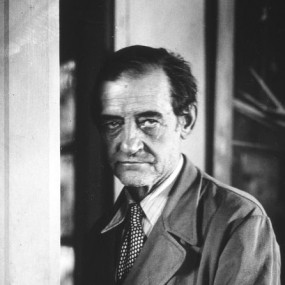
Almost every shop in Montmartre had a utrillo at the turn of the century. Back then, the residents of the bohemian Paris neighbourhood were already well aware of the strength of the avant-garde art brewing in the city. When Maurice offered the fruit seller a painting in exchange for a basket of apples, the man kept it... just in case. That young alcoholic didn't look like he'd last long, but maybe one day someone would declare him a genius and his paintings would be worth thousands of francs.
For Maurice, the taste for art came built into his DNA. His mother was the celebrated Suzanne Valadon, first an artists' model and later a painter of some standing. Suzanne had left home at 14 to try her luck in the Paris of the last quarter of the century. A fixture of the night, sooner rather than later she was bound to end up chatting with a painter. Toulouse-Lautrec was the first to offer her a place in one of his paintings. Then came Renoir and Degas.
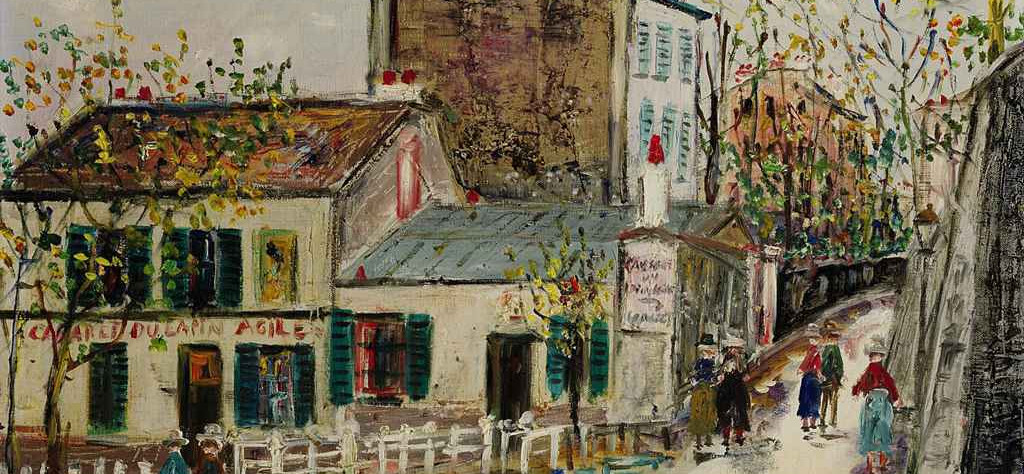
At 18 Suzanne had her son Maurice. He had no surname in his early childhood (she never knew, or never wanted to know, who the father was) until the Catalan engineer and artist Miquel Utrillo legally adopted him to give him one. At 6, Maurice Utrillo is born again, and grows up among studios and cabarets.
The relationship with his mother was always close. Suzanne tried everything to talk him out of turning his fondness for drink into a serious health problem, but by the first decade of the 20th century Maurice was one of Montmartre's official drunks. When he wasn't drinking, he was painting. He wasn't bad at either one.
The painter of the whitest whites
Young Maurice didn't rack his brains looking for subjects for his artworks. He painted what he had in front of him. And in front of him was Montmartre... and its whites. So begins the white period of his work, in the end the most decisive one. We don't know whether Utrillo decided to fill his artworks with white deliberately, looking to nail down a style of his own, or whether it was something more unconscious. We lean towards the second option.
Either way, Utrillo's white paintings are unique in the history of French avant-garde art. Plaster is added to the white impasto applied with a palette knife, creating a thrilling chromatic vibration that gives the artworks of this period a magical glow.
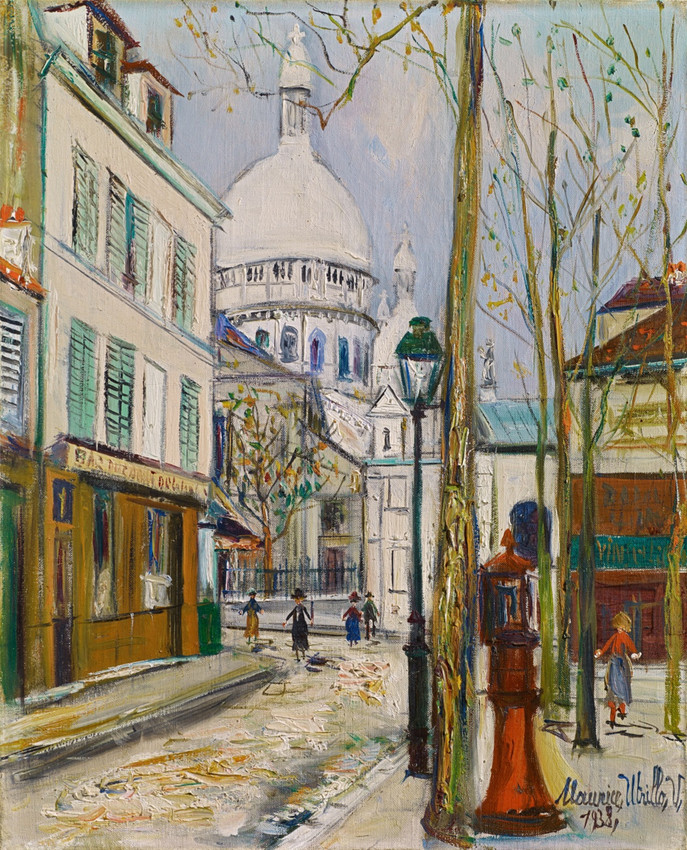
Many of these surprising small-format artworks are in the Musée de l'Orangerie, famous for housing Monet's immense water lilies on its main floor. Among them is Casa Berlioz (1914), an exemplary canvas from this stage of Utrillo's career. All it depicts is the whitewash of a façade with a certain Cubist influence. Apparently the painting says nothing, yet many visitors can't take their eyes off it: that's the spell of Utrillo's white.
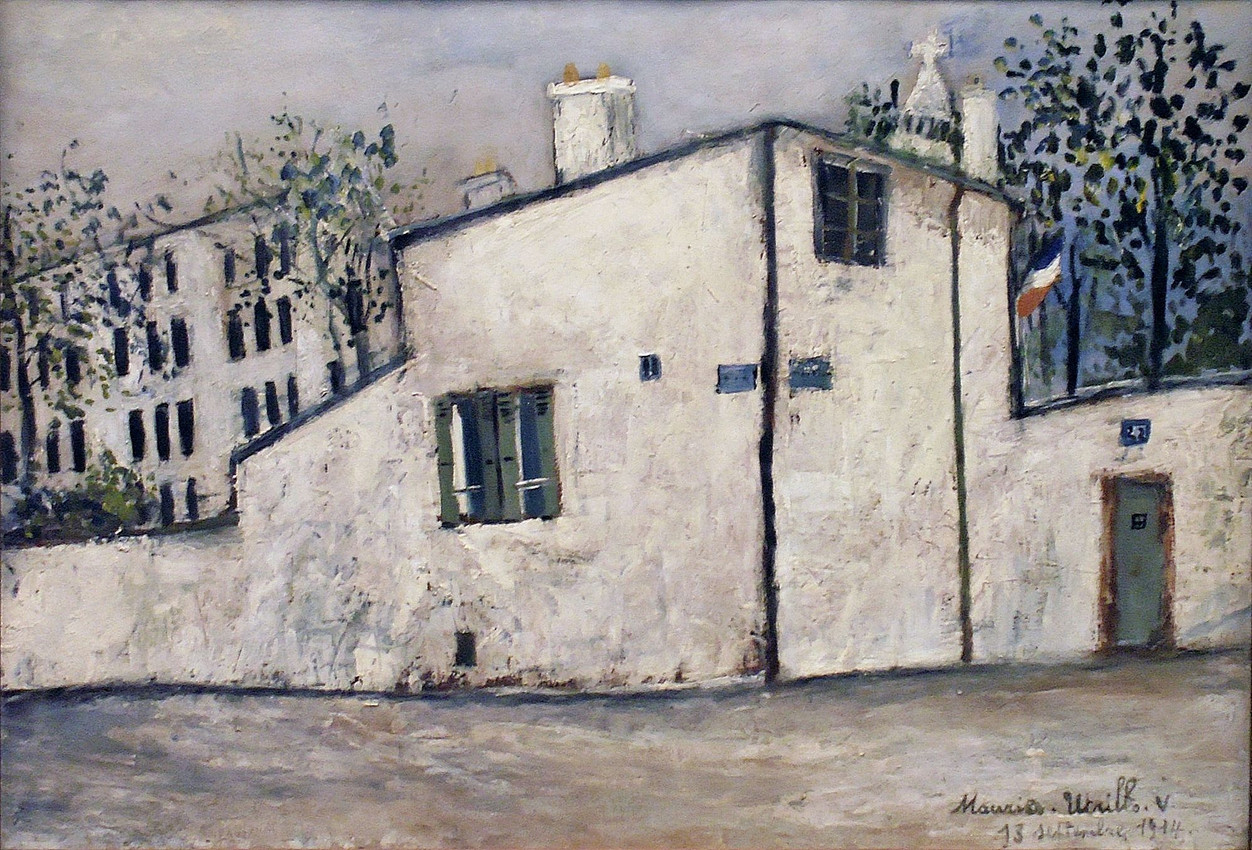
It was around the time of Casa Berlioz that Maurice's star began to shine beyond the neighbourhood butcher shops. He had managed to exhibit at the Salon d'Automne and his paintings started selling well. So well that dozens of fake utrillos began popping up around the neighbourhood. Everyone claimed to own a painting by him. Years later, all those imitations had to be piled up and burned.
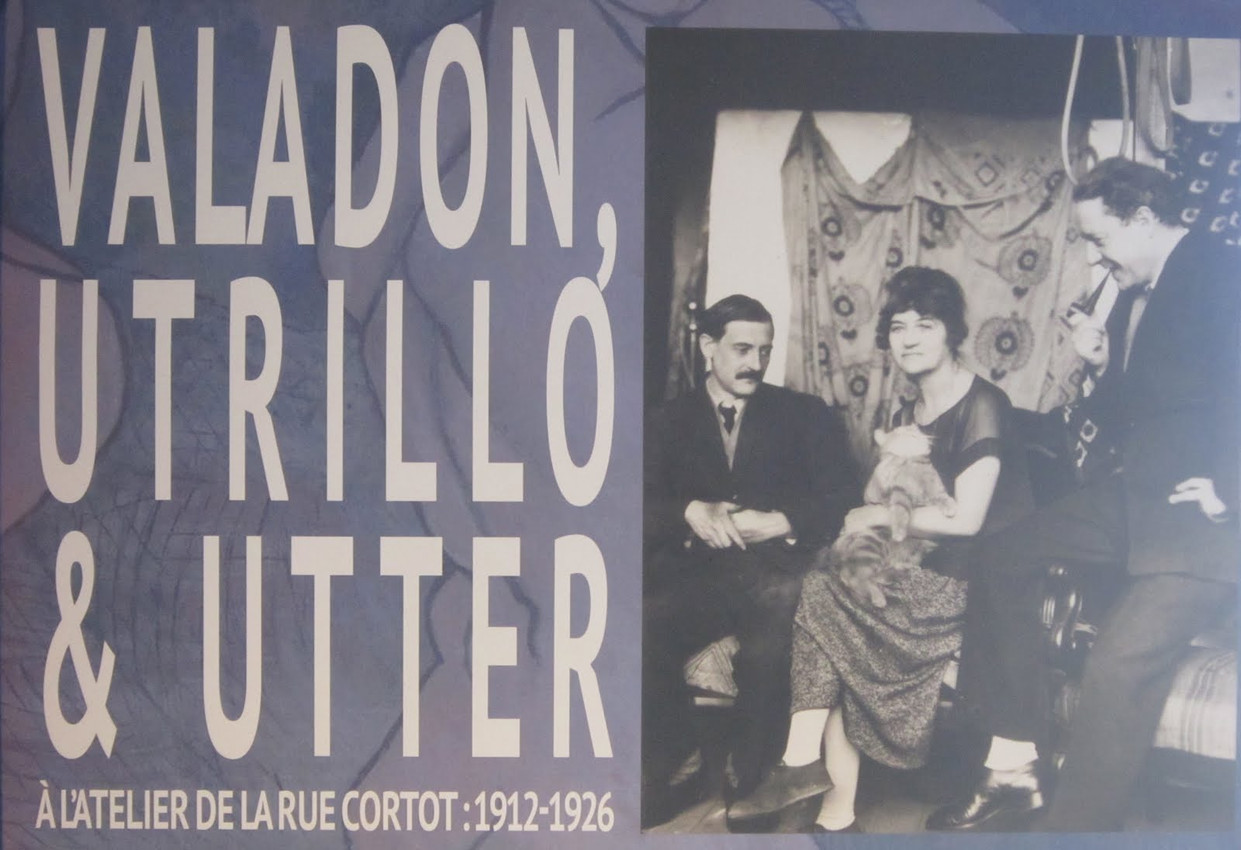
And Maurice became one of those accursed artists who don't die. Although he was part of the so-called Accursed Trinity along with his mother and his friend (and his mother's boyfriend) André Utter, Maurice ended up marrying into money: he wed an aristocratic collector who gave him the peace of mind, financial included, that he'd lacked in the first phase of his life. But artistically Maurice Utrillo will always be the drunken painter of the white glow of Montmartre.
Comments (0)
Log in to leave your comment. Log in