
The year was 1855 when Gustave Courbet provoked the art purists of his day with his devastating “El Taller del Pintor” at the Paris Salon. Back then there was no room for innovative art, and the avant-garde was as far removed from the art salons as women's suffrage was. Alongside him came other figures such as Honoré Daumier and Jules Breton, who shook up the aesthetic standards of the time and were even branded obscene. Their sin? Showing the reality of labour exploitation, of the working classes, of those the era had forgotten. And also everyday scenes, not without a certain gloomy tone. Today their artworks are praised and revisited by contemporary realist painters who, although they are a long way from that initial approach, share with them the challenge to what is established.
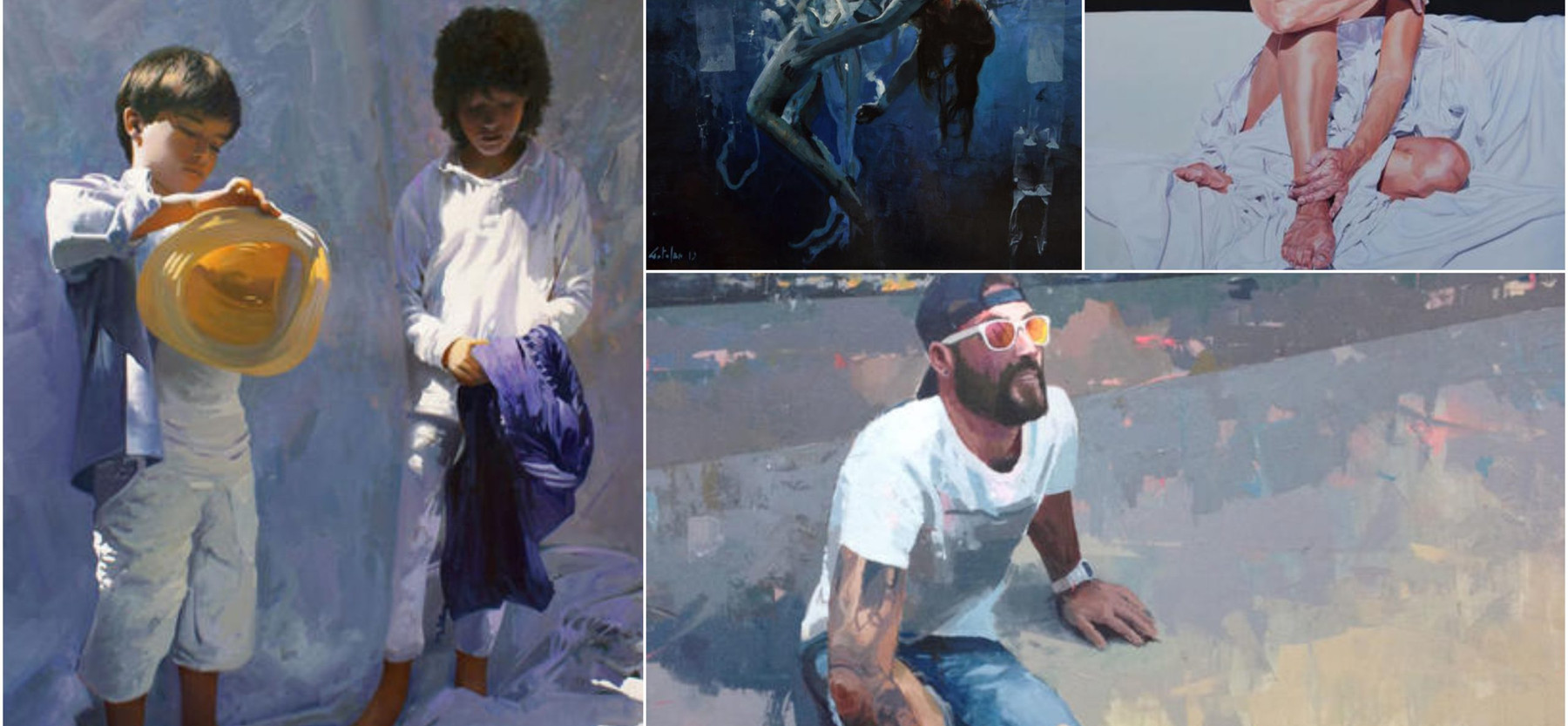
El taller del pintor, Gustave Courbet (1855)In fact, hyperrealist art and figurative realism are two current tendencies that defy the dictatorship of the camera, built on the foundation of reality as seen through the human eye, as if the painter were a surgeon operating on nature and on human bodies. Investing in realist painting is certainly a challenge at a time full of abstract art but, who doesn't like a challenge like that?
Features of contemporary realist painting
- Continúa guardando paralelismos con la pintura realista tradicional representando imágenes no idealizadas de la sociedad. En el caso de la pintura realista se retrata la vida cotidiana, las personas reales. En un pasado la pintura realista estaba asociada con la ideología de izquierdas pero, actualmente, el término “realismo” ha evolucionado de diferente manera. Y es que con la llegada del impresionismo, el expresionismo, el cubismo o el arte conceptual, el realismo ha perdido parte de su significado inicial para concentrarse en recuperar la pintura figurativa.
- En la actualidad, el realismo épico, el realismo mágico y el hiperrealismo son, posiblemente las grandes vertientes dentro del movimiento artístico.
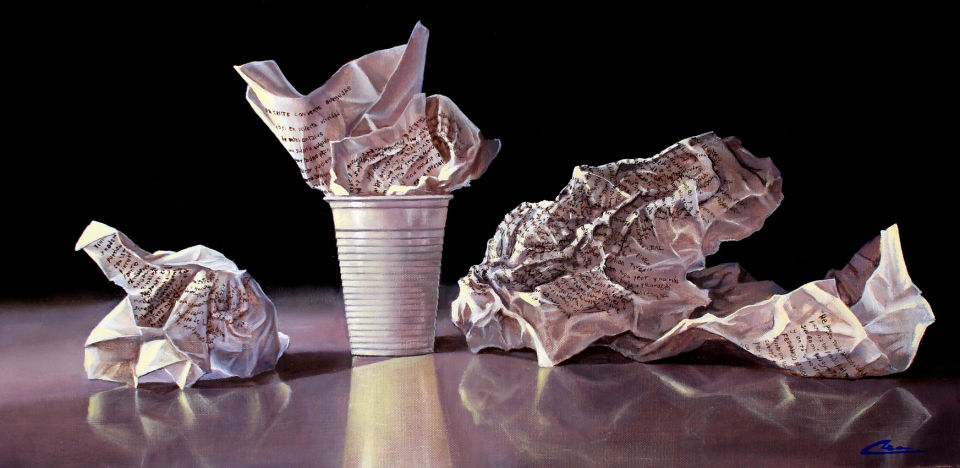
Professional realist painters in the 21st century to keep an eye on
Guennadi Ulibin: Hyperrealism has become a school in its own right, one whose artists are true “magicians” with the brush, making it impossible for the human eye to tell that their paintings were painted by a person and not taken as a photograph. The artist Guennadi stands out in this group with artworks such as “Misia”.
Francesc Ricart i Pidelaserra: We can also find artworks that remain faithful to the social character of 19th century realist painting. That is the case with the artist Pidelaserra, one of whose best known artworks is “El Forjador”.
Mar Artés: Painting galloping between figurative realism and hyperrealism, Mar Artés gives us artworks as interesting as Where”.


Comments (4)
luis cisneros PÉREZ vis
April 19, 2020bernat
April 16, 2020Luis Alonso
April 9, 2020He visto pintar a niños y monos con las manos y hasta caballos con la boca o elefantes con la trompa y las pinturas no distan mucho de otras obras aclamadas por ignorantes y codiciosos.
Hay que educar al público también en que los garabatos no son arte y que una pintura no tiene que hacer juego con las cortinas o el sofá.
Maria isabel
April 17, 2020Log in to leave your comment. Log in