
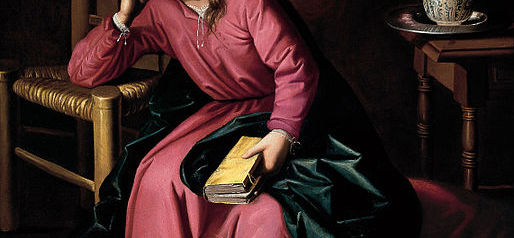
Huida a Egipto (around 1629), San Francisco rezando en una gruta (around 1660- 1665), Aparición de la Virgen a san Pedro Nolasco (around 1628-1630) and Los desposorios místicos de Santa Catalina de Alejandría (1660- 1662) are some of the latest pieces attributed to Francisco de Zurbarán. All of them are part of the exhibition of 63 oils that the Museo Thyssen will have on show in its Madrid rooms until 13 September.
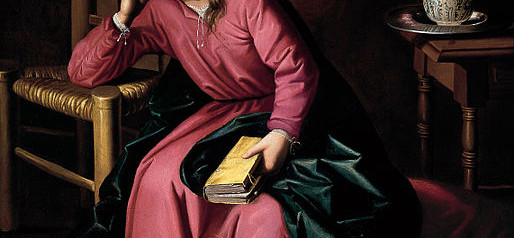
The show, titled Zurbarán: una nueva mirada, offers unknown keys for interpreting the Spanish painter, whose brilliance only grows with time. From his youth to the height of his career, it goes over the best known Zurbarán, the mystical, realist artist, but it also revisits his output in the light of the new paintings attributed to him, revealing a new Zurbarán, more colourful and more transcendental.
A contemporary of Velázquez, Francisco de Zurbarán (Fuente de Cantos, 1598- Madrid, 1664) died in poverty. His deeply spiritual, tenebrist, silent paintings never received the honours given to other great Spanish masters of the Golden Age. Now the spotlight falls on the innovative spirit that shows he was far more than a painter of religious subjects. Out comes his rich colour palette, elegant and modern, a painstaking, detailed way of painting seen, for example, in the cloths and ornaments of his canvases, and his special sensitivity for working with light.
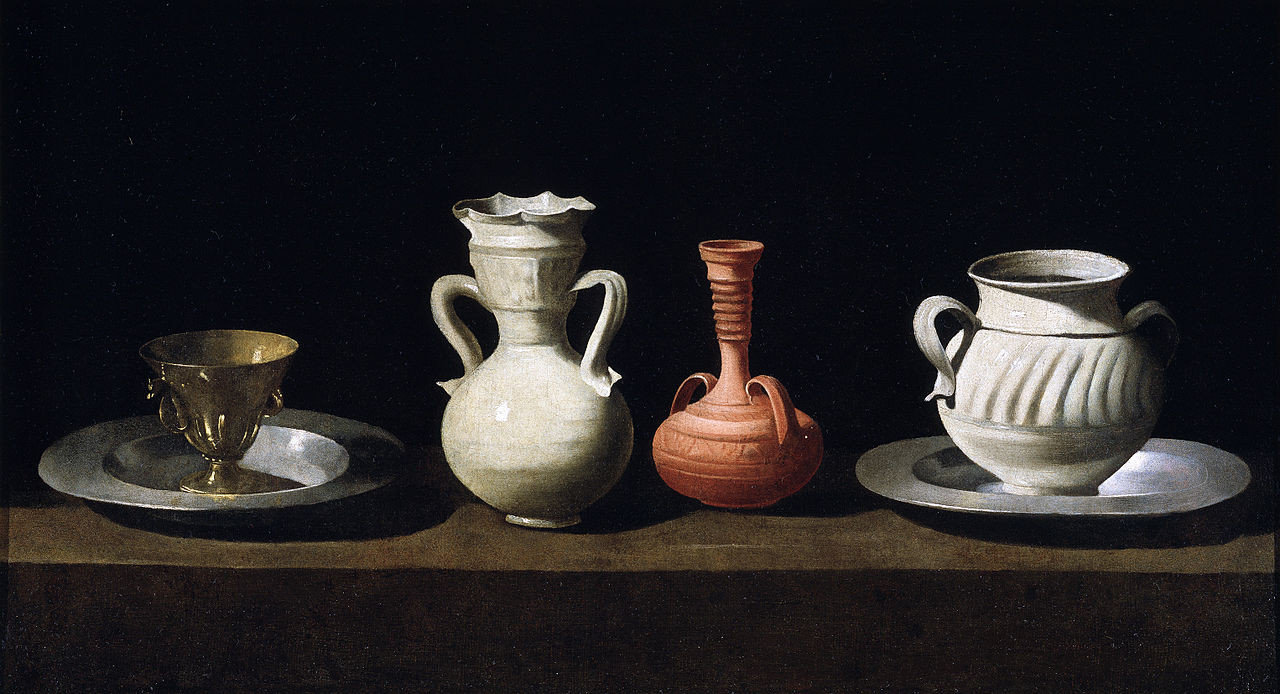
The exhibition also underlines the painter's work in other genres less associated with him, such as the still life and landscape. As for the latter, although he did not paint landscapes as such, he did include elements of nature in many of his backgrounds, like sturdy mountains and vegetation. Around 1650, Zurbarán's style turned towards a softer brushstroke, gentler effects of light and less dark figures and backgrounds. Even before Murillo, he adapted his painting to the Catholic reform of the time and the purity it implied.
This quiet, solemn universe gathered in his work connected with some of the concerns developed by modern generations, from Cubism to metaphysical painting. They were drawn not only by the realism and mysticism of his work, but above all by the transcendental conception exemplified in the still lifes.
The exhibition also gives over a space to comparing his work with that of the most gifted pupils of his studio. One of them was his son, Juan de Zurbarán, who painted magnificent flowers and fruit.
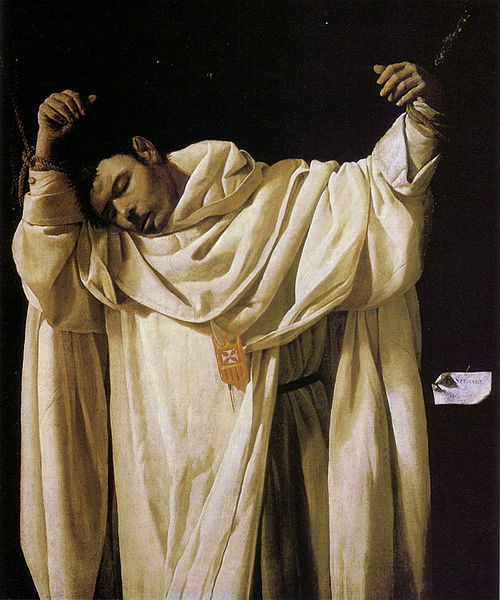
The artworks brought together belong to major museums and private collections in Spain, Europe and the United States. Almost twenty of them have never been shown in the country, either because they have been attributed or recovered recently. Others return after years away, like San Serapio (1628), one of the most significant paintings of his output, which is doing so for the second time in five decades.
Comments (0)
Log in to leave your comment. Log in