
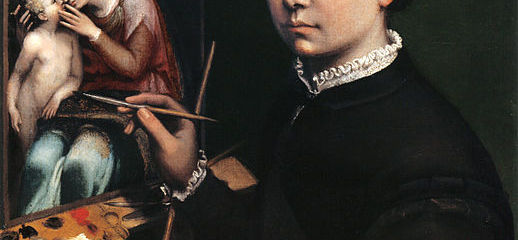
Past ninety and with cataracts, Sofonisba Anguissola still had her subtle genius, her mastery of line and an extraordinary knowledge of painting. Anton van Dyck left a record of it in his travel notebook when he visited her in Palermo in 1624. Like Michelangelo, Titian, Rubens and many other of her most acclaimed contemporaries, the Flemish painter felt deep admiration for the Italian artist. And yet, as happened to most women artists from the 15th century until almost the 20th, death banished her to oblivion, above all because of those mistaken attributions that stripped her of her merits.
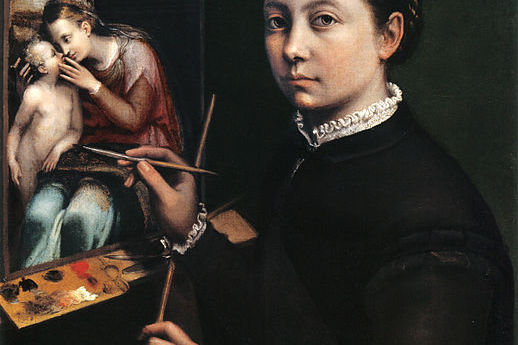
Sofonisba Anguissola (Cremona, around 1530 - Palermo, 1626) was born into an aristocratic family and, like her five sisters, studied painting and drawing, being the most gifted of them all. She trained under Bernardino Campi, Bernardino Gatti and Michelangelo himself. Her intelligence, creativity and technical skill were also singled out by the historian Giorgio Vasari.
In 1559 she arrived at the court of Philip II as lady-in-waiting to Isabel de Valois and, because of her role in the queen's household, she did not sign any of the paintings made for the court. When Isabel died, she married Fabrizio de Moncada, brother of the viceroy of Sicily, where she would move for a time. After his murder, she decided to marry a second time, to the Genoese Orazio Lomellino, who was half her age and with whom she lived between Genoa and Palermo.
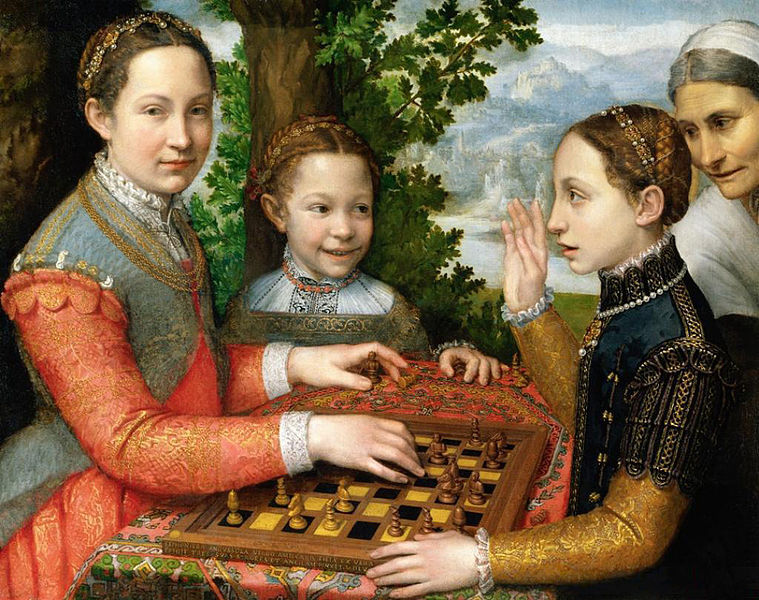
Her body of work is full of memorable portraits, the genre she specialised in and which she would revolutionise by giving it an informal treatment. She painted her sitters in relaxed attitudes, carrying out apparently domestic tasks and adding elements that pointed to a greater personal depth, since what she was after was a psychological study of her models.
Her many self-portraits are a good example. In them she usually depicted herself reading, playing a musical instrument or painting, activities befitting her rank. But she also presented herself with a direct, confident gaze, asserting herself as a subject and as an artist in what was still a world of men.
She took in the influence of her teacher Campi and of Correggio, of the Parma school, and she was in turn a source of inspiration for many artists. Her portraits caught the interest of Caravaggio and Rubens, among others. But with her death she was forgotten and her artworks handed over to Zurbarán, Antonio Moro, Titian, Sánchez Coello, Bronzino, Van Dyck, El Greco or Juan Pantoja.
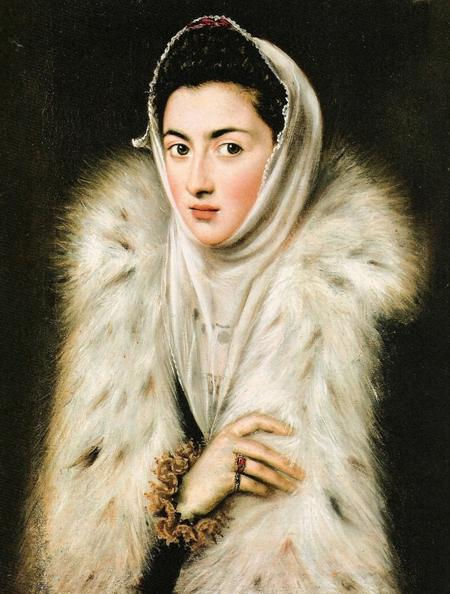
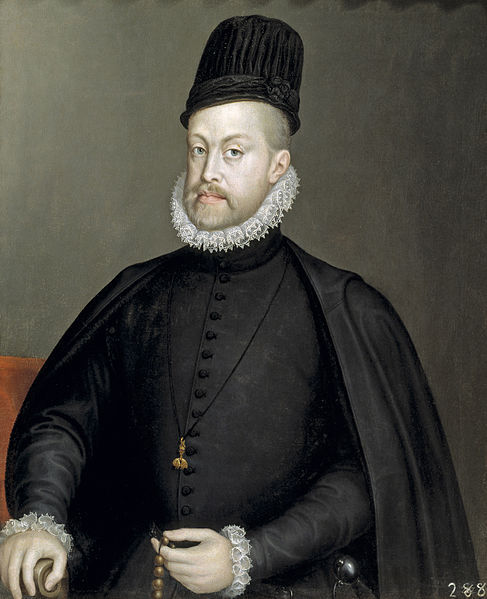
It was precisely to the last of these that the portrait of Felipe II (1565) and that of Isabel de Valois sosteniendo un retrato de Felipe II (1561-1565), from her years with Philip, had been attributed. Both are in the Prado Museum and, together with the canvas of La reina Ana de Austria (1573), they have been the only paintings by a woman on display in that gallery. Another case, still under debate, is the authorship of the painting La dama del armiño o Infanta Catalina Micaela (around 1591), attributed to El Greco and to which Cézanne gave a decisive value for modern art.
What has remained an undeniable fact is that Sofonisba Anguissola was able to break the barriers that hindered the development of women as artists and that she did it with a style of her own, becoming the first successful woman painter of the Renaissance.
Comments (0)
Log in to leave your comment. Log in