
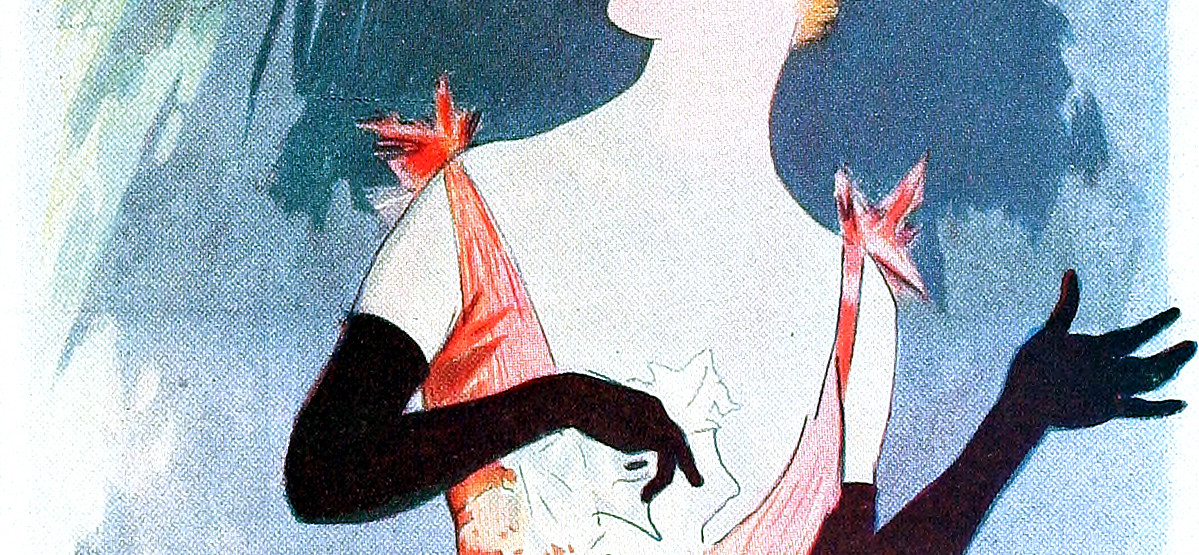
Advertising turns up as something natural in every corner of our lives. As Robert Guérin put it: “The air we breathe is a compound of oxygen, nitrogen and advertising”. And yet, it wasn't always this way. The advertising phenomenon, as we understand it today, has been around for a little over a century.
The beginning of graphic advertising is found in the posters announcing the goings-on at the up-and-coming cabarets, the casinos and the other shows of late 19th century Paris. Jules Chéret (1836- 1932), a French artist and printer, was the one who created the first advertising message as such. Chéret had improved the lithographic process and had managed to combine words and images in an attractive, cheap format: the poster.
Those posters relied on images with very striking colours and little text to catch the eye and make things easier to grasp for a population with a high rate of illiteracy. The until then bare streets of Paris became a real art gallery. Artists such as Henri de Toulouse- Lautrec (1864- 1901) decorated the streets of the French capital, and he earned quite a reputation thanks to his colourful illustrations.
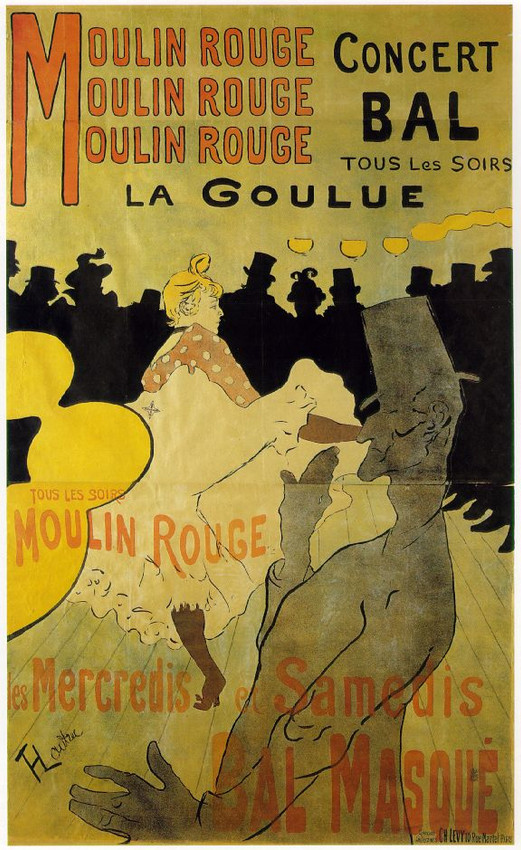
A regular at the night shows, Lautrec became the chronicler of what went on in the Paris nights, especially in bohemian Montmartre. His first poster dates from 1891 and advertises a show at the Moulin Rouge. Around 350 lithographs by his hand have been counted. He was drawn to the provocative cancan dances and the divas of the night such as Jane Avril or Yvette Guilbert, but also to what happened backstage.
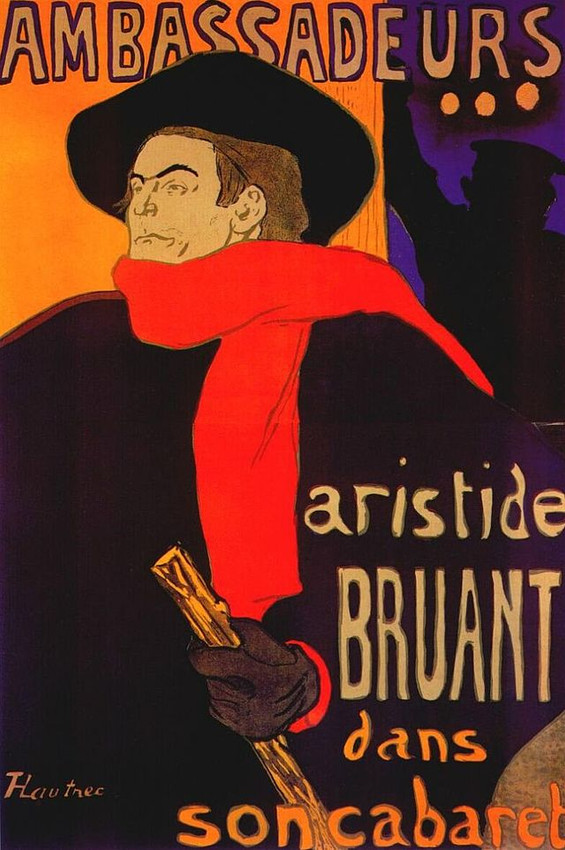
Lautrec was the master of the modern poster. He pushed the possibilities of lithography and looked for new concepts on which to build his illustrations. He stood out for the photographic angle with which he captured scenes from the cabaret world. But he didn't stop at mere visual representation, he also drew a psychological portrait of his characters, almost a caricature. That gave his creations a strong documentary weight, and they have served as social chronicles of the period. With his work, the French painter raised the poster to the status of art.
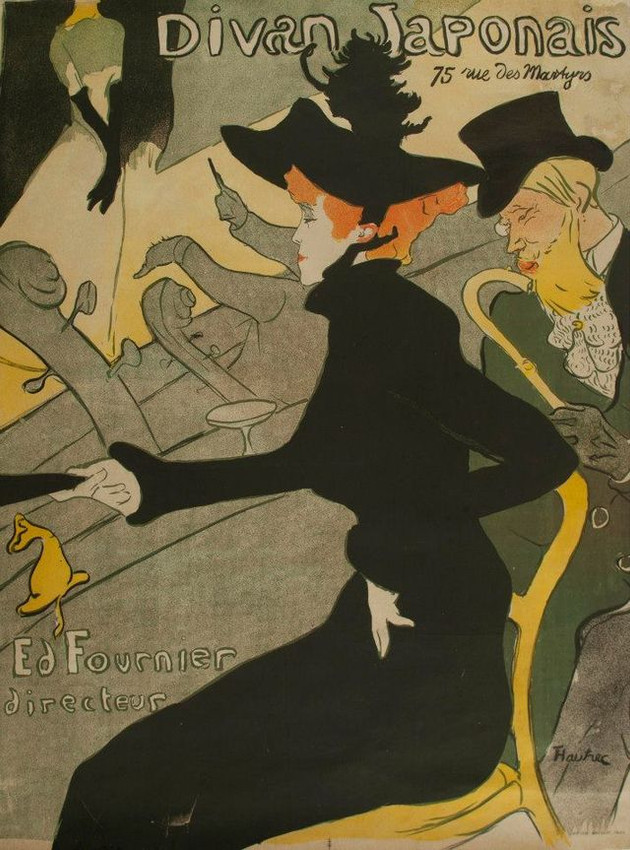
The colourist bent of the image forged a stylistic relationship between painting and poster art, giving many artists the chance to make a living. The poster soon became the main means of getting the word out for the consumer industry and, on top of that, an artistic phenomenon. It crossed the borders of Paris and its success flooded other European cities. Many painters began to put an idea and a product into their artworks with an effective, direct language. Modern advertising was born.
Comments (1)
PEDRO MARTINEZ
November 4, 2014Log in to leave your comment. Log in