
Art is a great investment, we already know that. An important artwork will always tend to go up in value over time. That's why many investors, especially in times of crisis, bet on the art market. So do crooks. Stealing a painting or a small sculpture can be the deal of a lifetime. “This one sets me up for retirement”, you can imagine them thinking.
But stealing art isn't easy. Not only do you have to get past the security systems of the museums (or the private homes) that keep the artworks, afterwards you need patience to sell: handling a stolen painting is the big problem with art theft. And that's the stage where a lot of thieves get caught. In the following list we've gathered some of those extraordinary thefts of great artworks in the history of art.
The Scream (Munch)
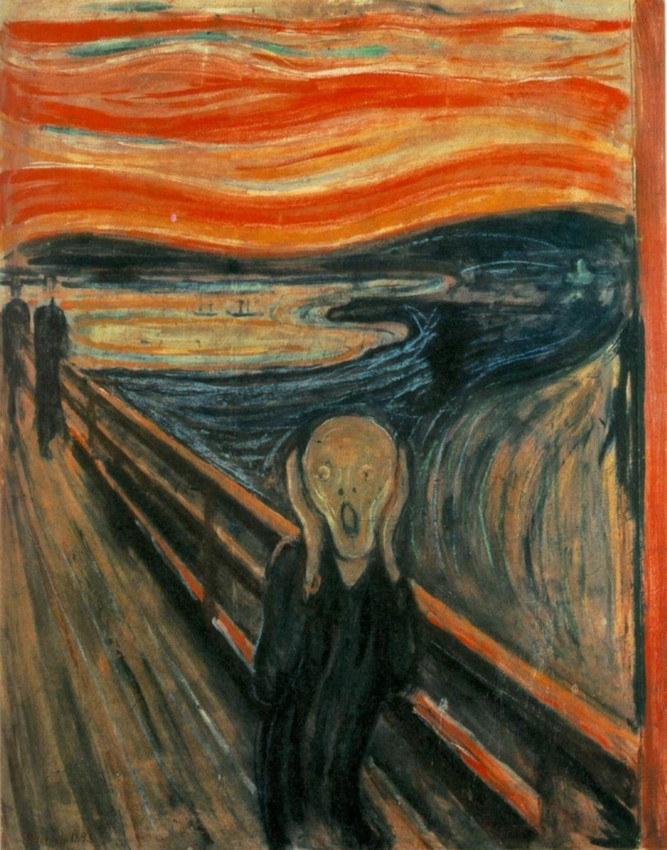
There are quite a few Screams, which makes it a juicy artwork for thieves: they have several options to choose from. In 1994, taking advantage of the opening ceremony of the Winter Olympics in Lillehammer, two thieves broke into the Munch Museum in Oslo in the early hours. With a ladder, one of the crooks slipped into the room that held The Scream. He took it and left an ironic note: “thanks for the poor security”.
The thief was caught some time later in an undercover operation when police officers pretended to be buyers interested in the artwork. Because stealing a Munch can be a piece of cake. But then try selling it. Six years in prison was what Pal Enger, the thief, paid for the “challenge and the game” of stealing a Munch (again). Because the guy had already stolen another one a decade earlier. A fan of the legendary Norwegian painter, no doubt.
La Gioconda (Da Vinci)
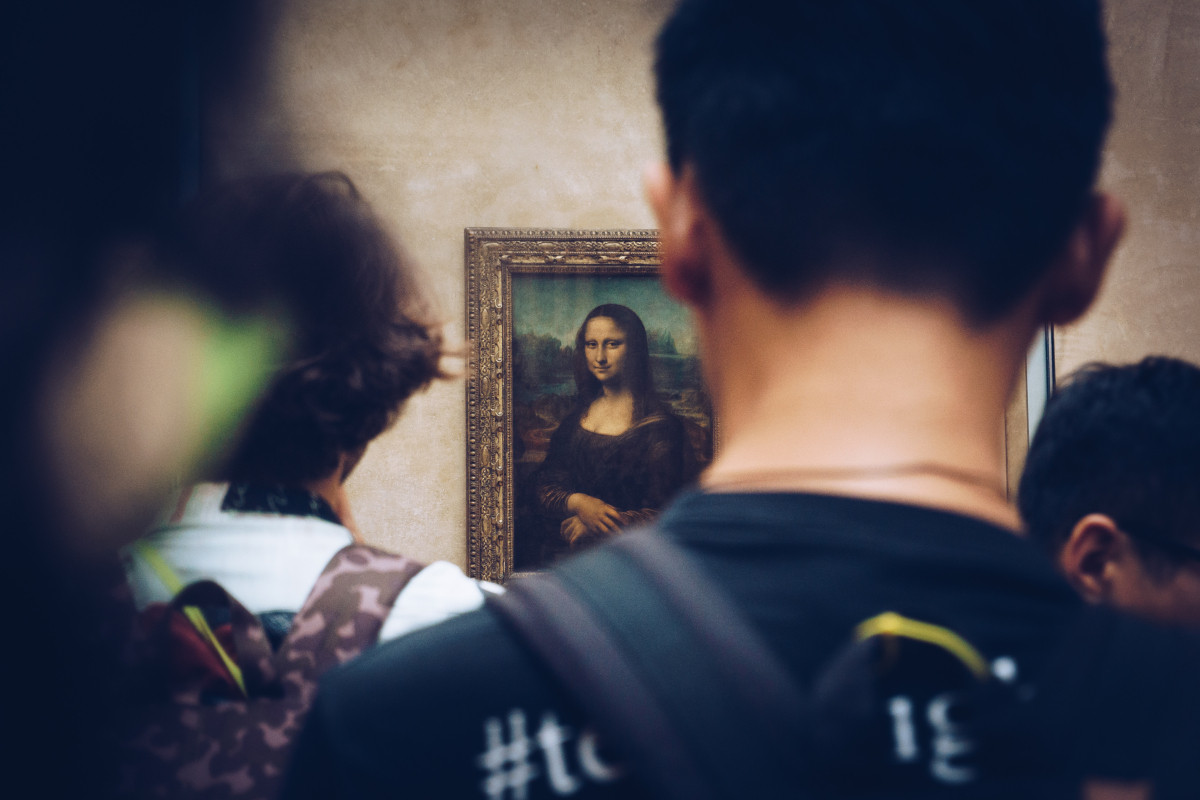
It's the most famous portrait in history and one of the most revered paintings in the world. On 21 August 1911, the carpenter Vincenzo Peruggia hid in a cupboard in the Louvre and used the morning of the museum's closing day to take the painting off the wall and out of its frame. Although he did cross paths with a Louvre guard, the fact that he was dressed like the museum's employees let him walk out the door and into the street… with the Mona Lisa hidden under his coat. A theft straight out of a film that didn't end well for the thief either.
Two years later, an anonymous letter signed by a certain Leonardo, sent to an antiques dealer in Rome, offered to “return” the Gioconda to Italy. The dealer got in touch with the people in charge of the Uffizi and the thief ended up being caught, though he was only sentenced to a little over a year in prison.
And why did good old Vincenzo keep the most famous painting in the world in his kitchen cupboard? Some say it was a nationalist statement, but the truth is that two con men spent the two years the painting was missing from the Louvre selling fake Giocondas, probably in cahoots with Vincenzo Peruggia.
Portrait of the Duke of Wellington (Goya)
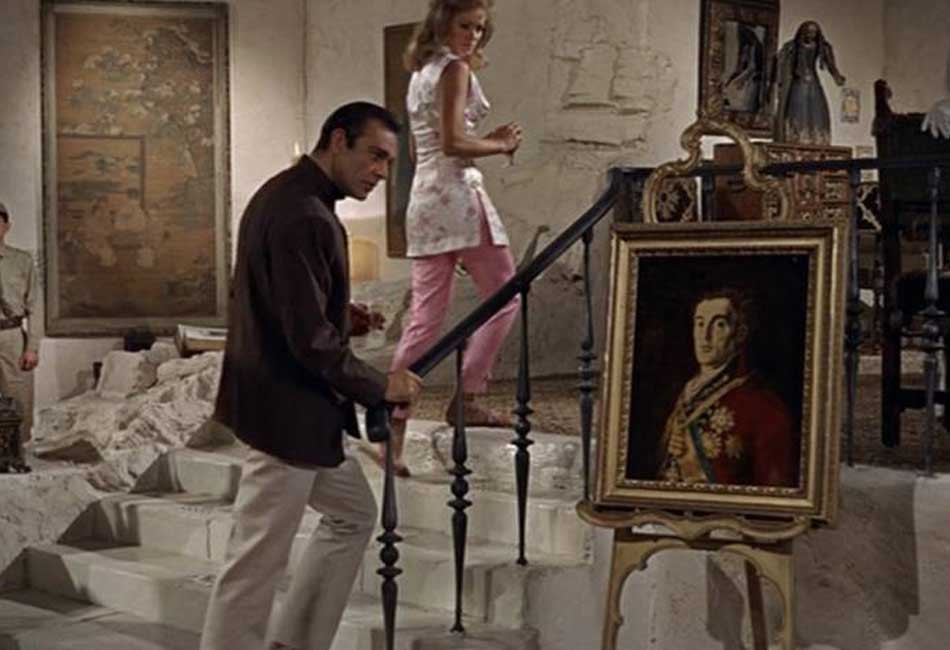
“If you want to see the painting again, lower television licence fees for pensioners”. There can be many motives for stealing a painting, but none like that of Kempton Bunton, a retired taxi driver who climbed in through a bathroom window at the National Gallery in London in 1961. After the theft, the authorities assumed there had to be an expert thief behind the business and spent several years trying to solve the case… until the Reuters agency received a letter asking for a donation of 140,000 pounds to charities to pay for television licences in exchange for returning the painting. In the end, Bunton returned the artwork voluntarily and was sentenced to three months in prison… for not returning the frame.
The Dauphin's Treasure at the Prado Museum
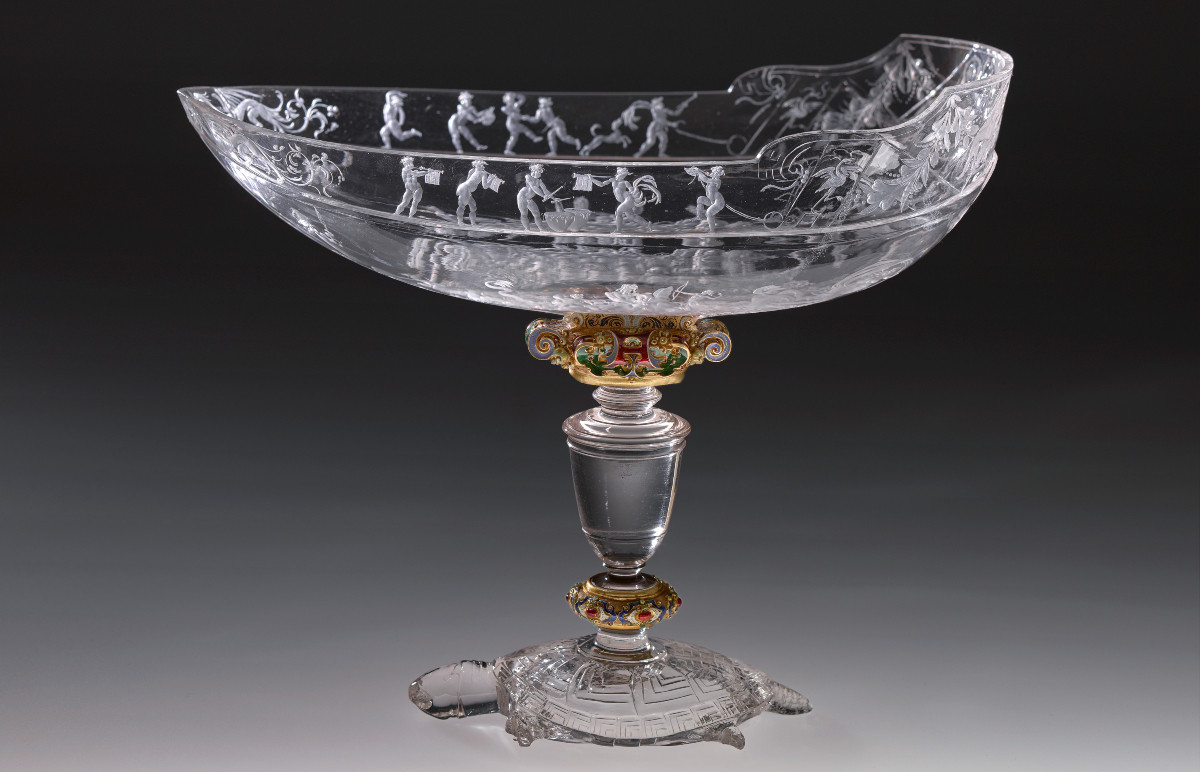
On 20 September 1918, 18 pieces disappeared from the Dauphin's Treasure, a set of 120 works from the 16th and 17th centuries that belonged to the son of Louis XIV, father of Philip V. The case was handed to Ramón Fernández de Luna, known as the Spanish Sherlock Holmes. A few days after the theft, an anonymous package arrived at the Prado with one of the stolen mounts inside.
The next day, an antiques dealer turned up with two young men carrying jewels from the Treasure, who confessed they had bought them from a silversmith on Calle San Bernardo in Madrid. Weeks later Rafael Coba, an employee of the Prado Museum, was caught. He confessed to the modus operandi of the theft (the thief got in through the heating courtyard) but not to having carried it out himself. Apart from Coba, who served six months in prison, all the others involved were acquitted. That said, the director and deputy director of the Prado Museum had to resign.
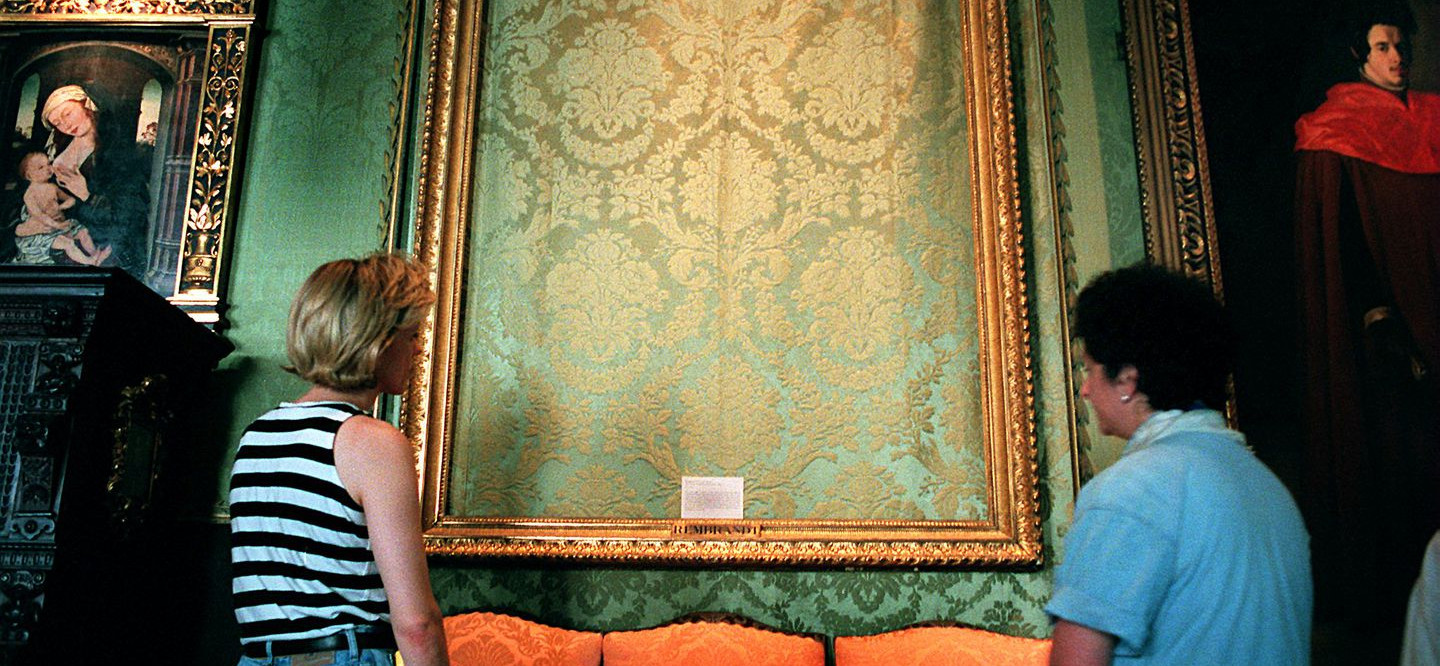
The Gardner case
And to close this selection of some of the most extraordinary thefts in the history of art, an unsolved case. On 18 March 1990, two thieves made off with thirteen pieces from the Isabella Stewart Gardner Museum in Boston. Their method was a little less clean than the previous ones: they pretended to be police officers arriving at the museum after a report of a break-in, sweet-talking the security guards so they could overpower and tie them up once inside.
In just over an hour they managed to take 13 pieces, among them a Vermeer and three Rembrandts. The fact that the thieves knew the museum's alarm system (they only took artworks without individual alarms) raised suspicions about members of the museum's staff, but that lead never went anywhere. 30 years later there are still rewards of up to five million dollars on offer for information about the whereabouts of the pieces. Maybe the time has come to confess?


Comments (0)
Log in to leave your comment. Log in