
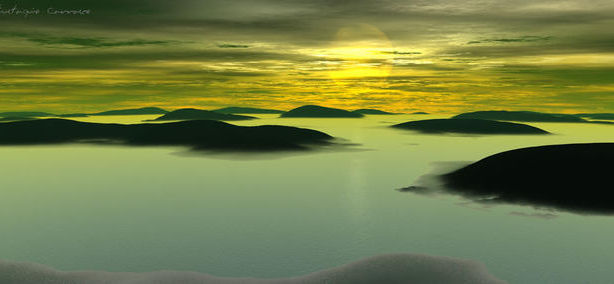
Art and technology have been forced into a close relationship. The link is already there in the earliest cave paintings, which turned to the technical means of the day to carry out the painting. The two were bound together for good when the Greeks defined the term tékne, technique, as "art or way of doing things". Technology serves art, and artistic needs bring about innovations. Art and science, then, have evolved side by side.
Today's artistic revolution was born with the arrival of photography and carried on with advances in film and television. The first computers came in the fifties. And from the sixties onwards, the bond between art and computing began to grow intense. Computers were starting to process images and sounds, awakening a technical curiosity among some artists. When the computer is used at different stages in the process of creating and distributing artworks, that is where digital art appears.
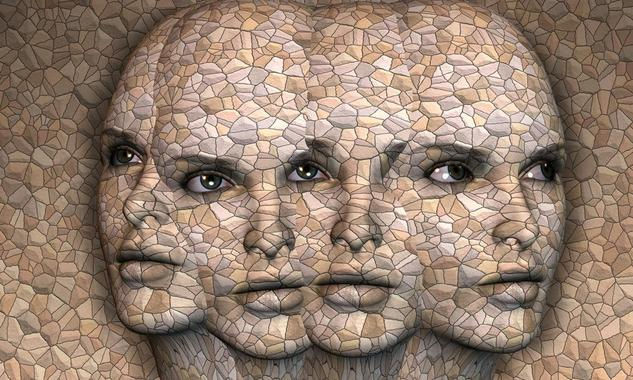
In digital production the artist no longer uses brushes, pencils or charcoal. They are replaced by other tools such as the mouse and the keyboard, and through the language of the computer the author gives meaning and structure to the artwork.
Digital techniques allow images to be reproduced and modified, but also created. The expressive possibilities offered by today's systems for generating images by computer become unlimited. Technical skill, imagination or the creativity of the artists will be the factors that set the limits of these opportunities.
Another of the most interesting innovations lies in works conceived to be reproduced using electronic media. As happens with Net art, which brings together interactive artworks made to be shown within the domains of the Internet.
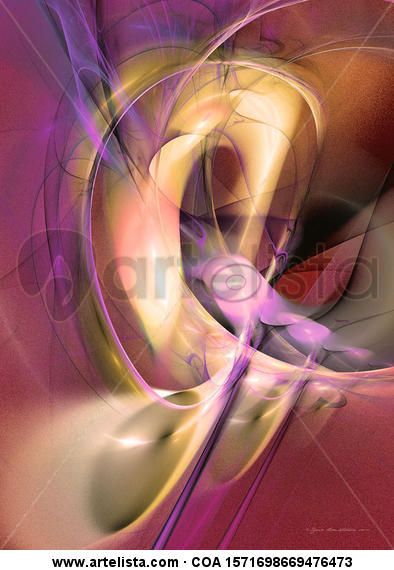
This interactivity adds a new value to the artistic product by asking the viewer to take part actively and individually. With the arrival of virtual reality, it takes on another dimension. The virtual maximises interactive art by building, for example, imaginary worlds open to the viewer that are not obliged to follow our physical laws. In this field, for the high aesthetic values they present, some video games are considered forms of artistic expression.
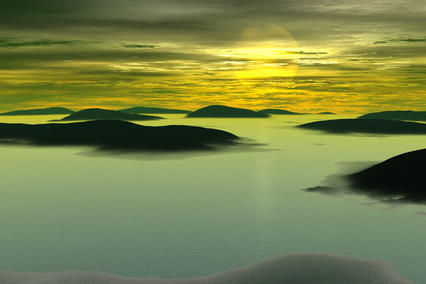
Software art is another witness to the change of mindset that digital art brings. It assumes that the software itself is an artistic construction in its own right and not just an instrument.
Through the relationship between art and technology, new artistic products have been developed, such as digital images and sculptures, software or virtual products. Art has gained, in this way, new capacities for expression.
Comments (0)
Log in to leave your comment. Log in