
“To every age its art. To art its freedom”. This motto presides over the façade of the Vienna Secession building, a movement that emerged during the city's golden age, at the end of the 19th century. Gustav Klimt (Baumgarten, 1862- Alsergrund, 1918) led this modernist cry that rebelled against academic principles.
Klimt in particular upended the pictorial landscape by giving himself over to symbolism through the female body. Women occupy an absolute space in his work. A body of work that would take on a scenic abstraction, defeating naturalism and ending up wrapped in an overflowing golden, ornamental wave.
From early on, the Austrian painter tended to nod in his paintings to the family trade, goldsmithing, though almost as a passing detail. It was from 1900 onwards that the use of gold became permanent, and this coincided with his artistic prime. That lavish gold grows stronger alongside a more provocative treatment of the female body.
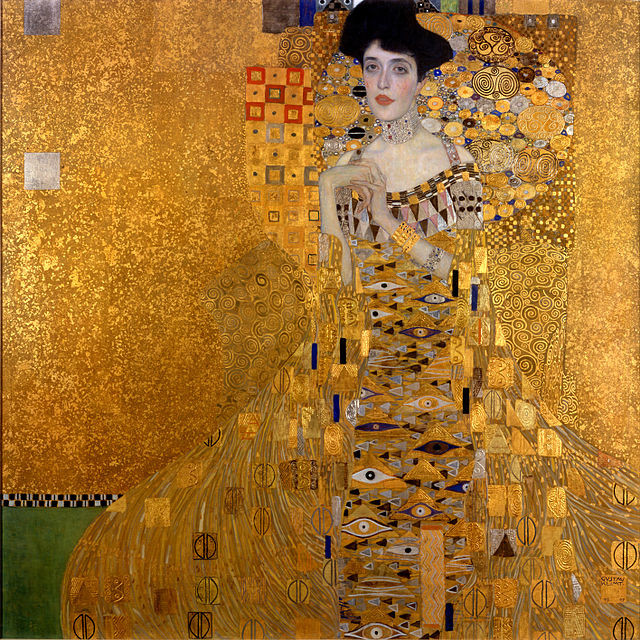
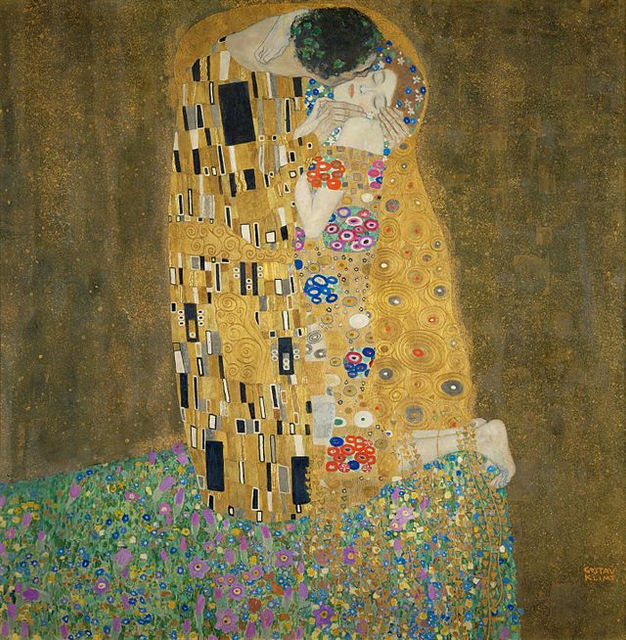
Klimt's women were many, and the best of his work settled in them. He painted his contemporaries, friends and influential ladies of Viennese society. Adele Bloch- Bauer, Margaret Stonborough- Wittgenstein, Möda Primavesi, Fritza Riedler, Hermine Galia, among so many others. Of them all, his companion Emilie Flöge stood out, thought to be the woman in the hugely famous painting El beso (1907-1908), with which Klimt reached an imposing sensuality through compositional abstraction.
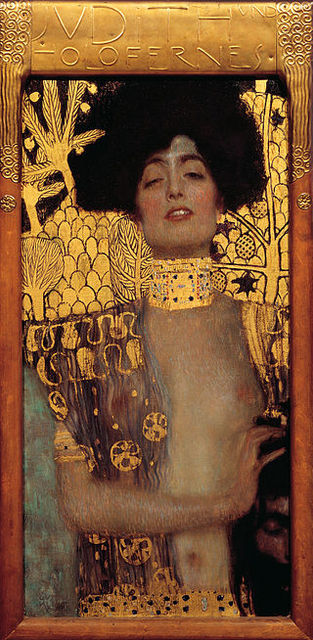
Inspired by the curves of his models, he created erotic, mysterious, enigmatic female figures that challenged the prejudices around sexuality. Femmes fatales who left the role of muse behind and took over the scene. That is how he interpreted Judith I (1901), defiant and suggestive after murdering Holofernes.
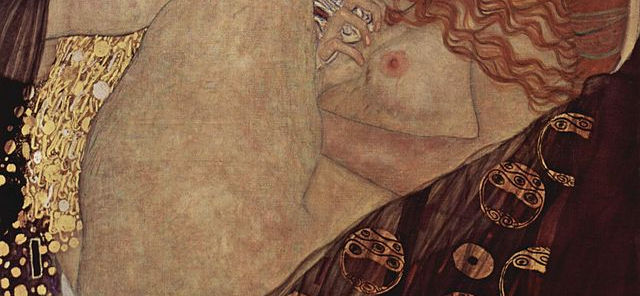
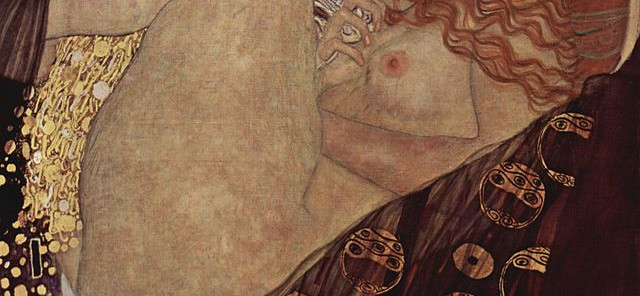
Klimt uncovered women's secrets and depicted the female body completely naked and even in sexual poses, as in Dánae (1907- 1908). He painted them, with no scruples, in their intimacy, where the explicit and the erotic have no reason to hide. A broader study of this side of him can be found in his drawings.
He explored female sexuality in every sphere and at every moment of life. In Las tres edades de la mujer (1905) he painted the naked bodies of a young woman with her daughter and that of an old woman, embodying the cycle of life.
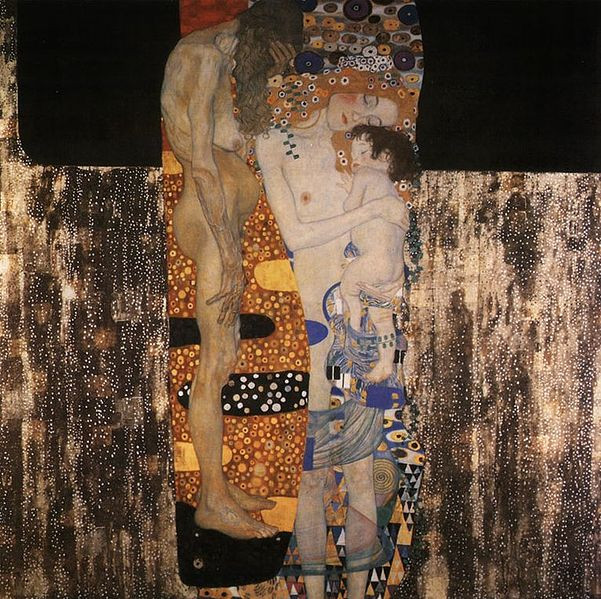
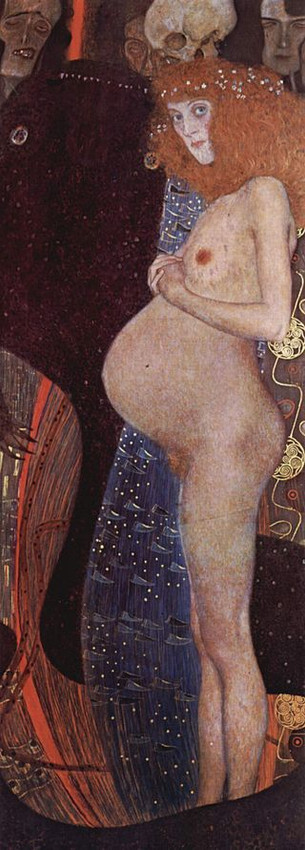
A painting also known as Maternidad. Motherhood being a recurring theme for the Austrian. In Esperanza I (1903), one of his models posed for him while pregnant. Here he symbolises the maternal and the lustful at once, stirred up by a femme fatale who scorns the dangers around her.
Gustav Klimt crossed the artistic borders of his time and took in some of the ideas of his contemporary Sigmund Freud. Through sexuality he faced up to life, to death and to love. But above all to the sexual repression lodged in Viennese society. On his canvases, he set out to free the inhibited sensuality of women, and he did it scandalously.


Comments (0)
Log in to leave your comment. Log in