
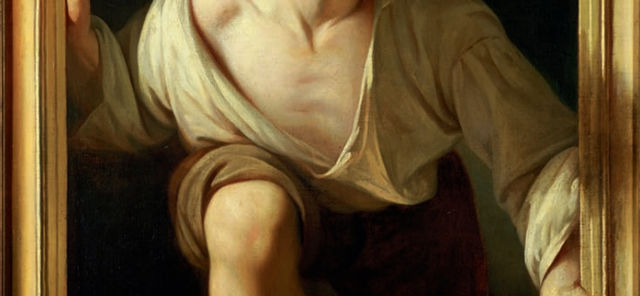
Whether art manages to throw us off is a matter of perspective. Trompe-l'oeil sets a trap so that we see what isn't there. From the French trompe-l'oeil, in painting it's a technique that distorts our visual perception by playing, deliberately, with perspective and other optical elements. The painter becomes, then, an illusionist looking to make the public ask: is what I'm seeing real or a representation?.
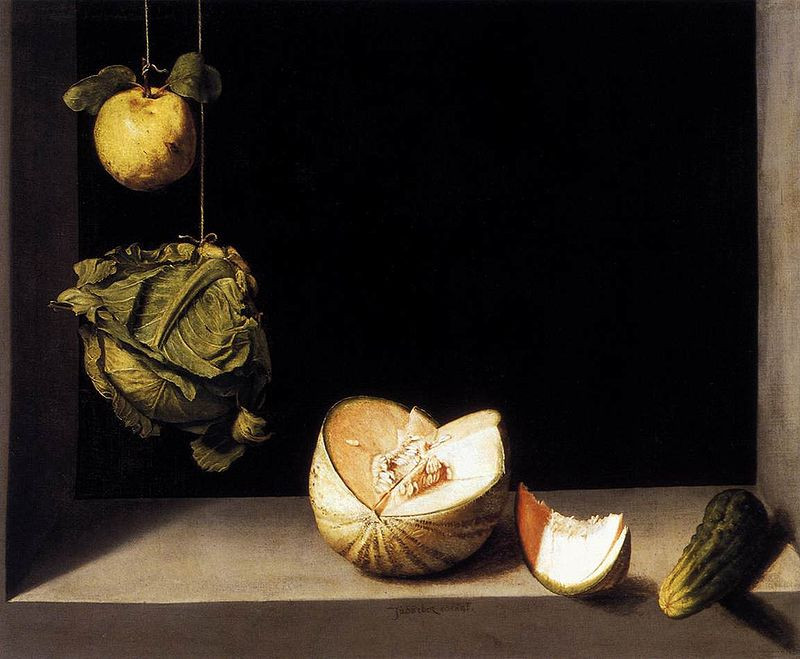
When the artist manages to trick the viewer's reality, the deception takes on a certain anecdotal, almost jokey quality. Pliny recounts in his encyclopedia Natural History an episode along these lines that places the traps of art back in classical Greece. The painters Zeuxis and Parrhasius argued over which of them best represented reality on canvas. The first considered himself the winner when some birds came to peck at his painted grapes. He then asked his rival to draw back the curtain covering his artwork so he could see it. The winner was Parrhasius, since no cloth was covering his painting at all.
The Renaissance historian Giorgio Vasari tells a similar scene about Giotto. As a child, showing a great precocity for naturalism, he painted a fly on the nose of a figure his master Cimabue was working on. Cimabue fell into the trap when he came over to shoo it away.
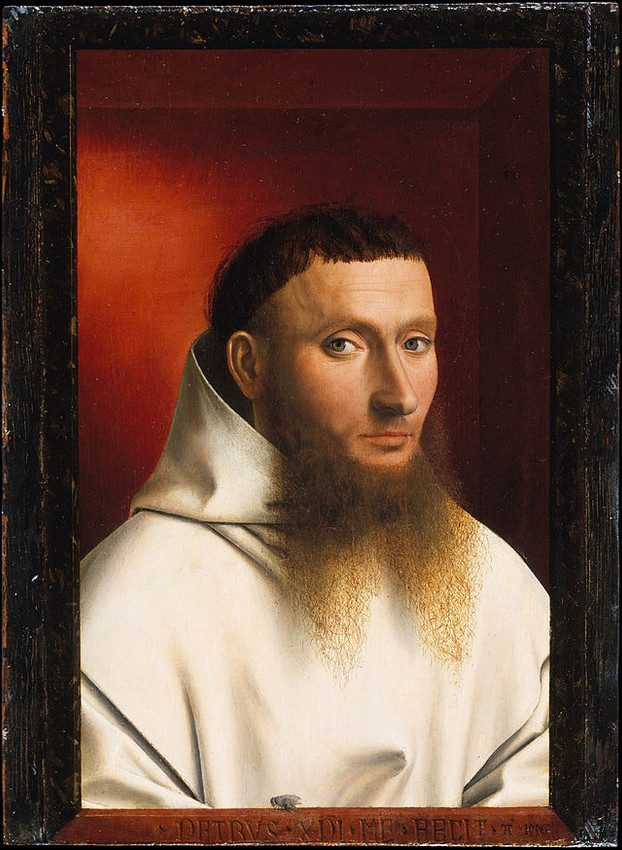
In Retrato de un Cartujo (around 1446) by the Flemish painter Petrus Christus, we find one of the first examples of this kind of trompe-l'oeil. The false fly, this time, is imitated on the lower part of the (also simulated) frame.
Beyond the anecdote, the trompe-l'oeil technique has been a decorative device well suited to achieving a greater sense of depth on ceilings and walls. Roman art already offers the first witnesses to this use, later revived by the Renaissance painters.
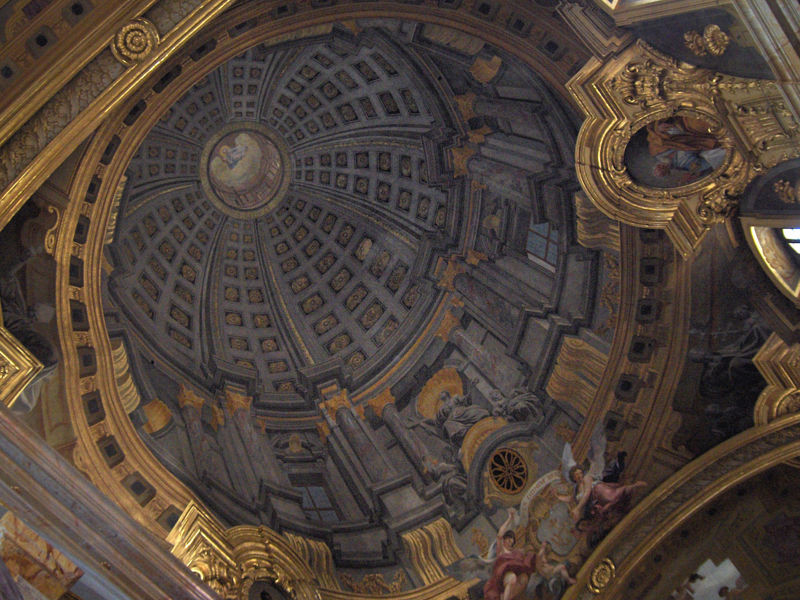
Many palaces and churches decorated their walls and ceilings with architectural illusionism, faking balconies, doors, columns, rooms or open landscapes in the background. The Baroque carried on this tradition and Andrea Pozzo got a startling result with the false vault painted on canvas that he made for the church of Sant'Ignazio in Rome (1685). Today it's still a very appealing device for decorating and improving the look of our cities.
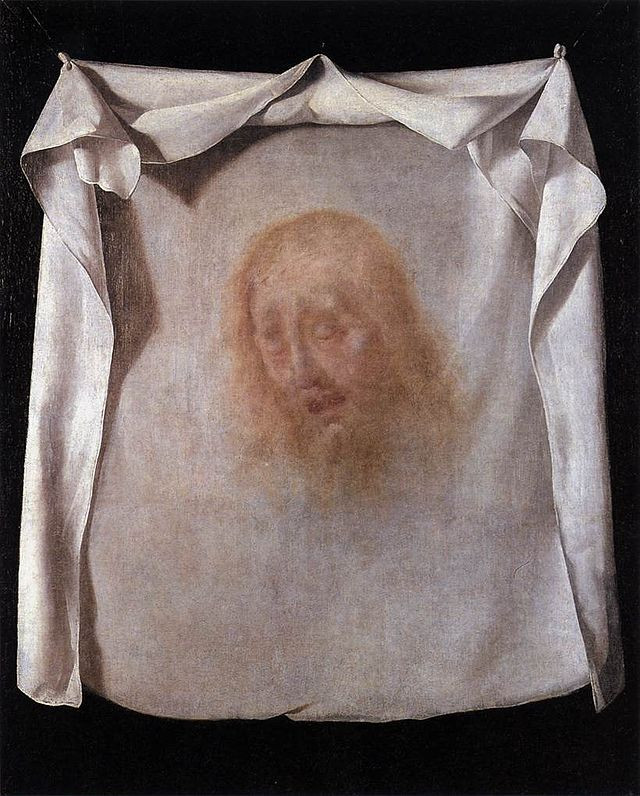
Trompe-l'oeil in mural painting invites us to imagine the fantasy of a three-dimensional space starting from the frame. The deception can also come about by invading the viewer's space, that is, when the painting projects outwards and leaves the limits of the canvas behind. Tempting whoever is looking to touch the picture and check whether it's just an illusion.
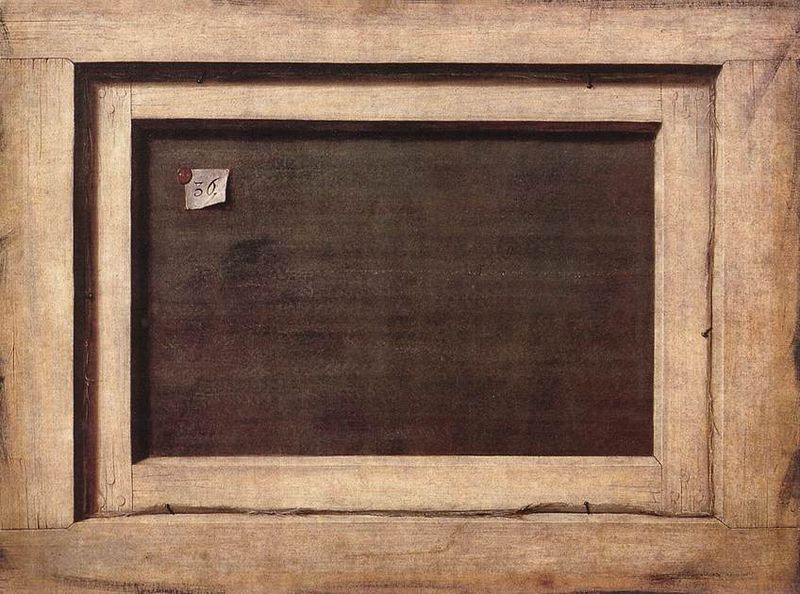
Easel paintings stir up this confusion with representations of mirrors, curtains, flies, cloths, still lifes or life-size figures that push the theatrical effect even further.
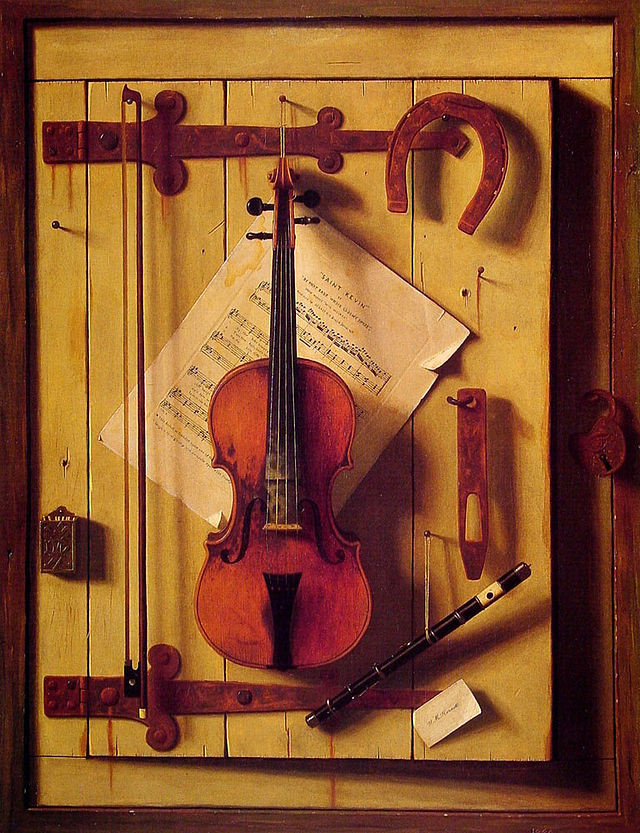
The realism of the Baroque underpinned the spread of trompe-l'oeil. Even Las Meninas by Velázquez has been read as an exercise in illusionism within the Baroque aim of going beyond likeness and capturing the animation of life.
Contemporary painters such as René Magritte, Pablo Picasso and Georges Braque have also gone in for visual deception. The Cubists turned to the trompe-l'oeil technique in some of their collages when they wanted to imitate scraps of materials like wood or paper that weren't actually stuck to the canvas.
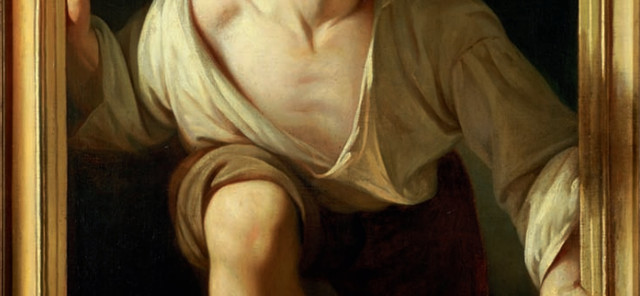
Even though Pere Borrell's intention was to escape the public, his trompe-l'oeil Huyendo de la crítica (1874) did not go unnoticed and has been considered one of the greatest examples of this technique.
Comments (1)
PEDRO MARTINEZ
November 4, 2014Log in to leave your comment. Log in