
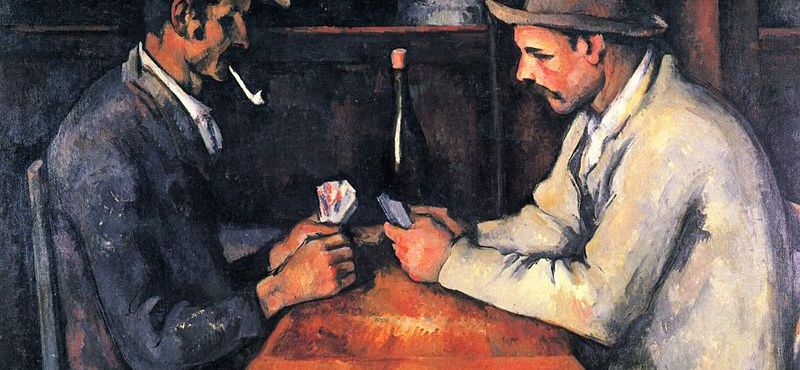
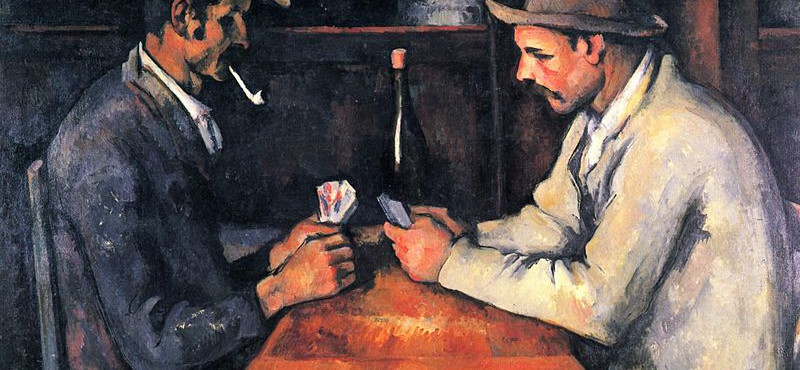
191.6 million euros was the price the Qatari royal family paid in 2012 for Los jugadores de cartas. Paul Cézanne's painting broke a record in the art market, becoming the most expensive in history. In his own day, though, he was an ignored genius, something he has in common with other masters of painting.
El Greco (1541- 1614)
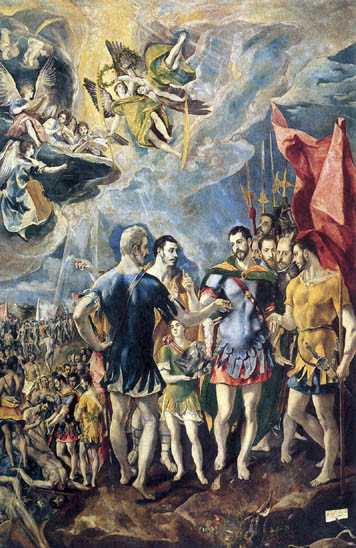
Doménikos Theotokópoulos became a source of inspiration for the avant-garde. Cubism and Expressionism found sheer genius in his brushwork. Quite the opposite was the opinion of Philip II, who was not pleased with the version of El martirio de San Mauricio he had commissioned for the Monastery of El Escorial. During his lifetime he had success with his paintings close to Titian, but his late style was considered extravagant and even ridiculous. Recognition for his visionary proposal came in the 20th century, once his work began to be studied.
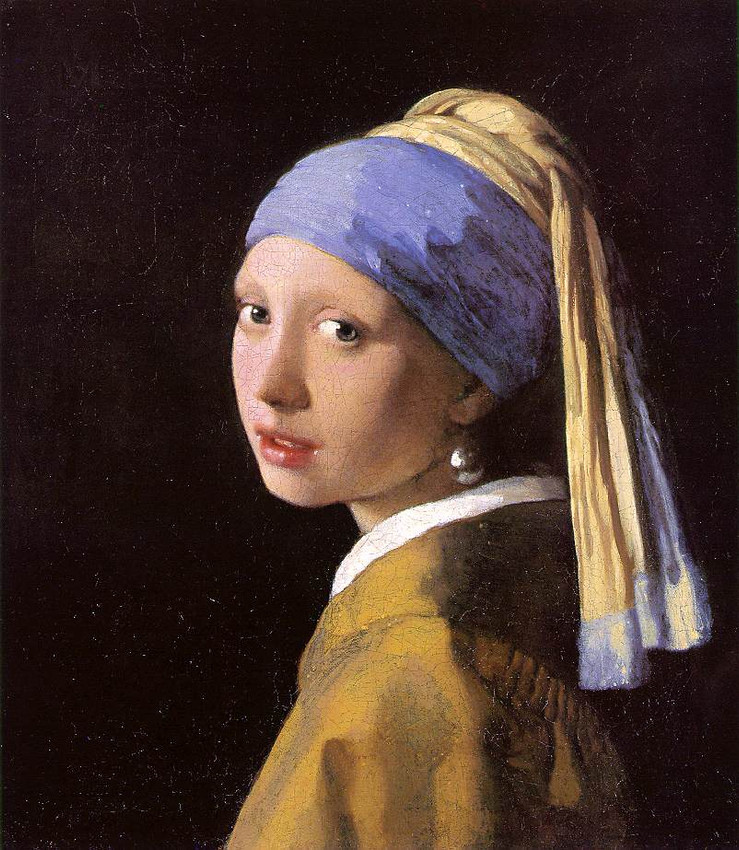
Johannes Vermeer (1632- 1675)
He made a living more as an art dealer than as a painter. He worked on commission for patrons and his output is small: 35 paintings. Although he enjoyed a certain fame for his quality, after his death he was forgotten. In 1866 the journalist Thoré-Bürger rediscovered him and, years later, interest in his work resurfaced, coinciding with the Impressionist outbreak. Vermeer had got ahead of the movement, already looking in the 17th century for open-air painting with an innovative treatment of light and colour.
Paul Cezánne (1839- 1906)
Henri Matisse declared: "Cézanne is the father of us all", referring to the movements of the 20th century. An idea that Pablo Picasso also endorsed. That credit was not granted to the French painter in his own time. Only in the last years of his life did Cézanne's work begin to be valued. It was from 1907, with the posthumous exhibition in Paris, that his artworks became a revelation for his contemporaries.
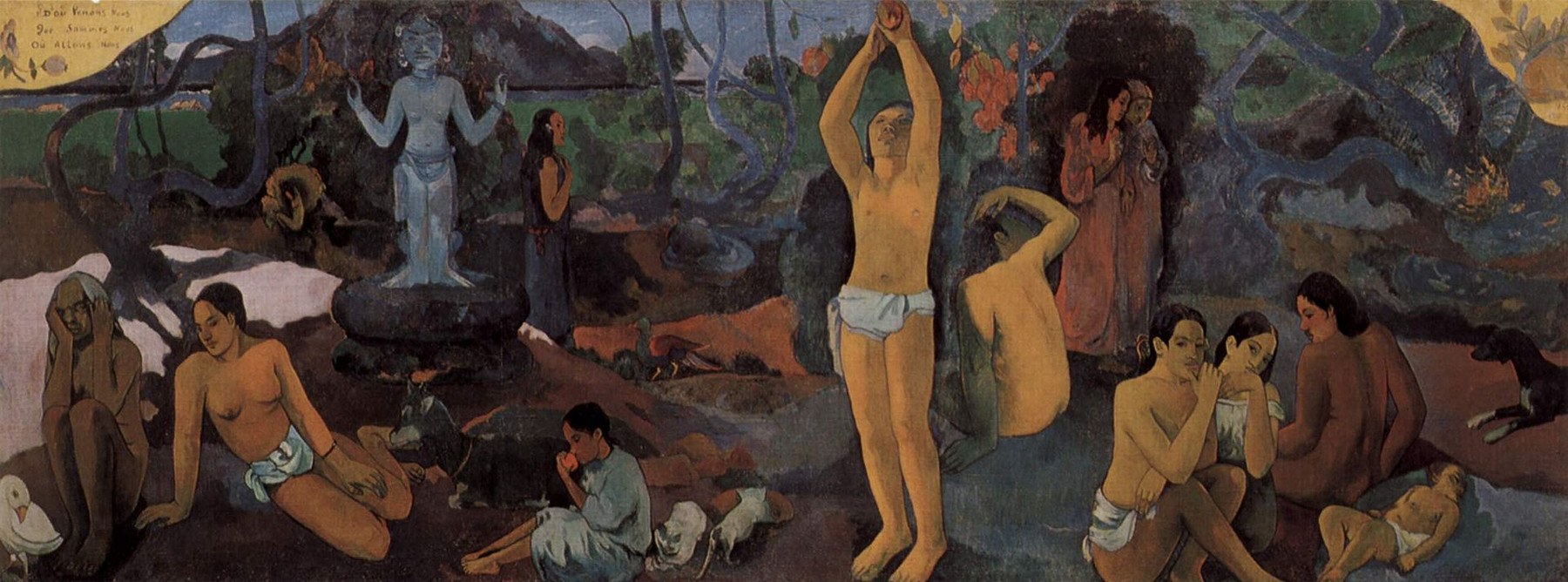
Paul Gauguin (1848- 1903)
The success Gauguin had as a stockbroker was not something he found in his passion, painting. He left his job in 1882 to devote himself entirely to painting. He never won over the critics at the exhibitions of his artworks, though. It was after his death that his idea of art triumphed and achieved international success. He died poor and disappointed in the Marquesas Islands, where he had gone in his tireless search for the primitive.
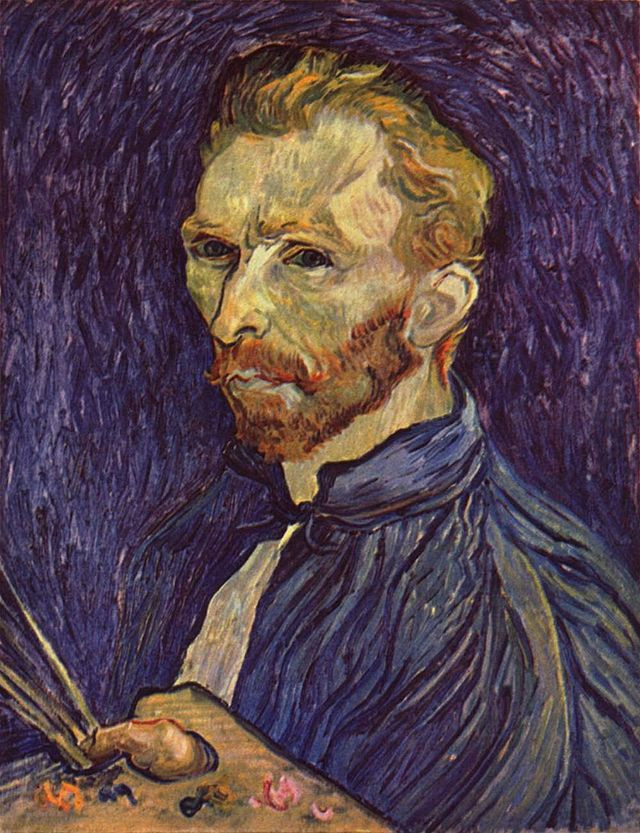
Vincent van Gogh (1853- 1890)
The Dutch painter closes the dramatic Post-Impressionist circle, and his personal vision, so far from the established boundaries, condemned him to immediate failure. Van Gogh, like his companions, became a genius after his death. He painted more than 900 pictures, but sold only one in his lifetime, Viñedo rojo (1888), months before he died. His fame grew quickly after his early death. Johanna, the wife of his brother Theo, promoted his work and organised several exhibitions across Europe and the United States. That was when the artistic revolution Van Gogh had put forward managed to make an impact.
Misunderstood by those around them, they defended their own conception of art, even if it kept them far from success.

Comments (5)
Leonardo
November 16, 2017Manue G Moncada
January 12, 2017salvador barroso
September 17, 2015Un abrazo de
Salvador
Paola
November 6, 2014pedro martinez
November 4, 2014Log in to leave your comment. Log in