
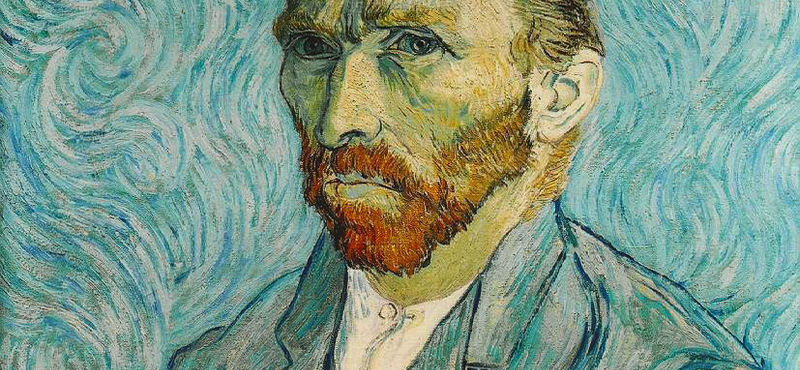
There's nothing like the sound of a gunshot to scare the crows out of the wheatfields. Startled, caught between the roar of the echo and the gunpowder, they scatter and abandon the scene, leaving the yellow behind to head off into the night. And suddenly the bullet you used to drive them away comes to lodge in your gut and there you are, unsteady on your feet, trying to climb a staircase. Upstairs, the room where you'll lie dying, but first, up the steps. It's signed Vincent, not Van Gogh (Zundert, 1853, Auvers sur Oise, 1890).
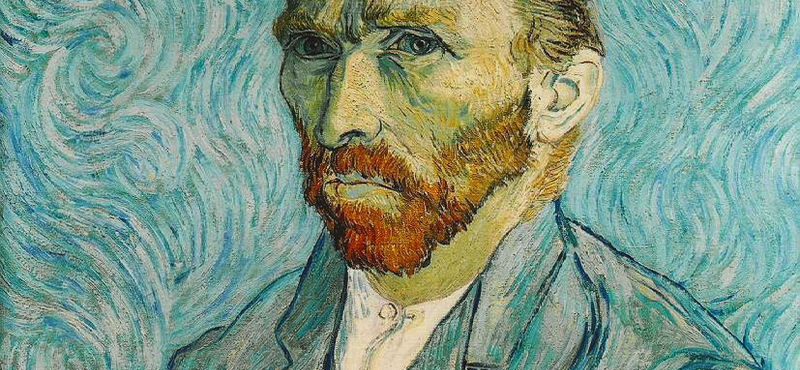
On the first one, the headstone already has your name carved into it, and another body under it, born on the same day but a year earlier. On the second, the mirrors hand you back the image of a filthy, hideous man, the same rejected animal you insist on repeating in your portraits. And on the third, already worn down by sadness, you look for your masters in silence, finding nothing but the road. One step higher, just when you think creating and inventing yourself will be enough, life forces you to sell.
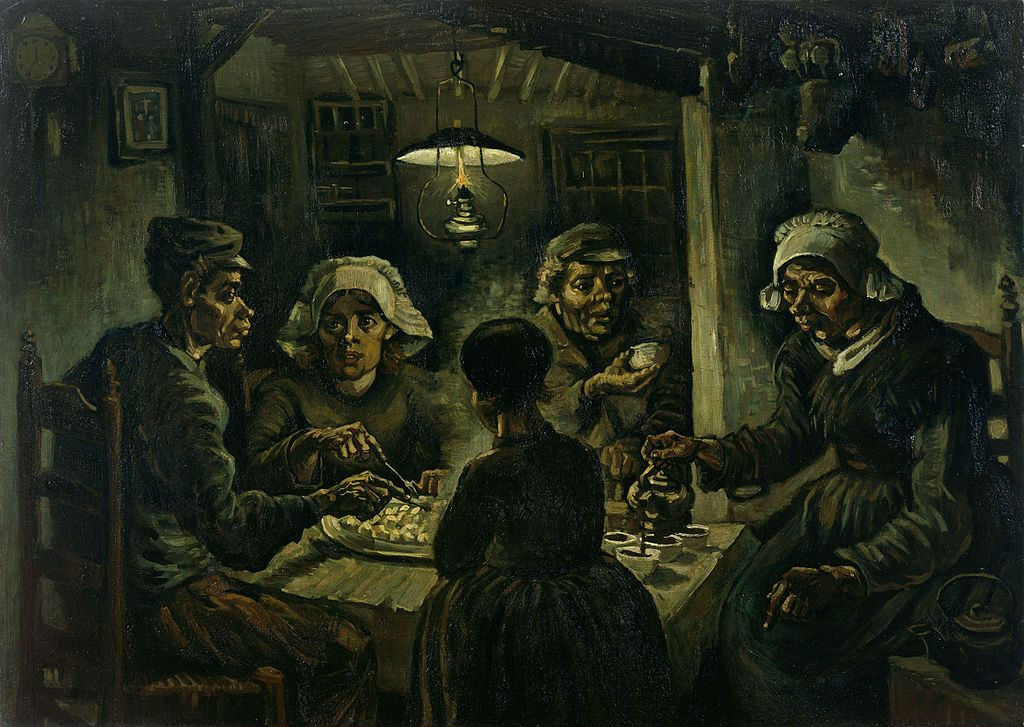
On the next step, like your forebears, you choose to take refuge in religion and you go down, as a would-be preacher, into the hell of the Borinage coal mines. And among the murky, desolate landscapes of faces smeared with defeat, you lose your faith again, but you find your style. And another step, one higher still, and there's no refuge or redemption left but the canvases, and pouring your soul into them. And, like a red-haired madman, painting in time with the storm, misunderstood, filling cloth with salt, colour and sand.
And higher still, when love is only the pity of the brothels and friendship an excised earlobe, the blood leaves you down the stairs, dulling any hope of lucidity. Nothing has to feel like an effort now, though, because the work of carrying on up gets you to the step from which you can remember Paris. And there, Montmartre. And there, Émil Bernard. And there, Toulouse-Lautrec. There, the fascination of the elemental beauty of Japanese prints.
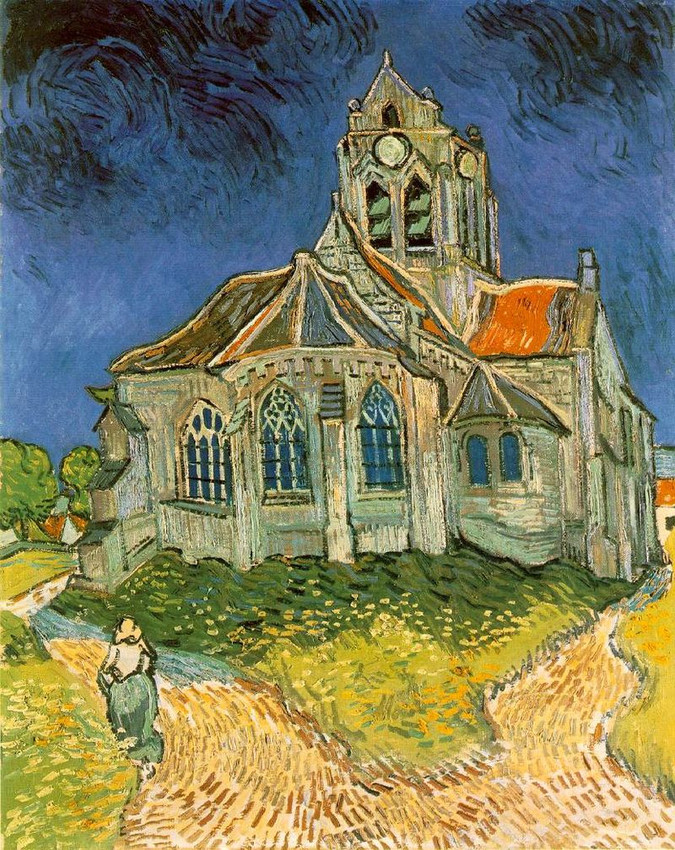
And the memory of the yellow house in Provence, with its emptiness of flowers waiting to be filled, fades away in the Studio of the Tropics, a mouldering secret society of artists who never showed up. And the asylums turn into studios of frenetic activity and the painter's studios into laboratories of copies and reproductions of your anonymous past, when the impossible suns were still real, when the starry nights were still real.
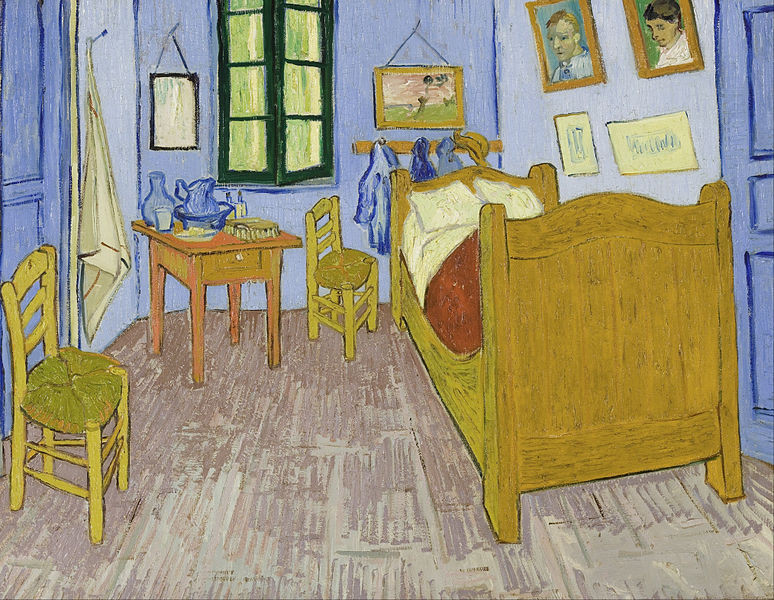
And when the staircase ends, the brotherly letters won't come back to the letterbox, and brushstrokes will be the only currency you have to pay the doctors with. And a retinue of German expressionists will pick up your ending and turn it into a new starting point. And the walls of the room will be stained the yellow ochre of the last spurts of your blood, watching you collapse in agony. And out of your agony, out of the bled-dry hole of your agony, death will spring, and with it its sunflowers, like a gathering of blonde-haired dolls, nodding and shaking their heads over what is art and what isn't.
On a day with a name much like today's, 125 years ago, as a result of a shot to the stomach, Van Gogh died, one of the most highly valued painters in the world. Two days after he reached his room, after climbing the staircase bleeding to death.
Comments (0)
Log in to leave your comment. Log in