
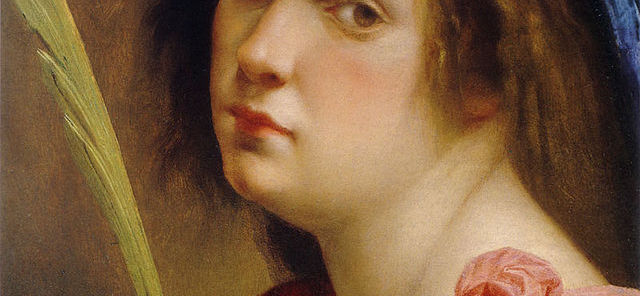
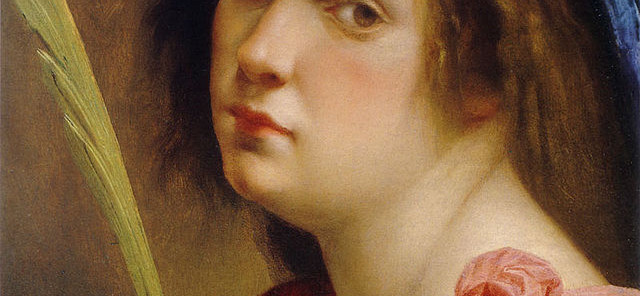
Considered the first woman who managed to make a living from selling her artworks, Artemisia holds a prominent place in 17th century painting.
Artemisia Gentileschi (Rome, 1593- Naples, around 1654) has to be introduced as what she was: one of the leading figures of Caravaggism and the Italian Baroque. Her work has often been linked to the tragic sexual assault she suffered. In 1612, when she was barely nineteen, she was raped by Agostino Tassi, a painter and the young woman's teacher.
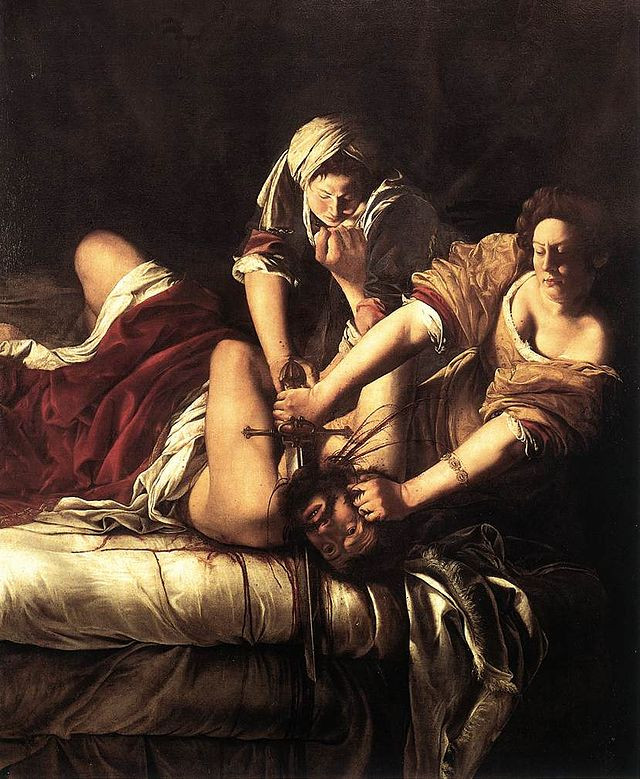
That's why artworks like Judith y Holofernes are so striking, with the avenging attitude she gives the protagonist, who takes the life of the Assyrian general and frees her Jewish people from oppression. Caravaggio, for instance, presents in his version a young woman who is distant and cold, whereas Artemisia turns the scene completely around with a mature, strong woman who has to put real effort into the beheading.
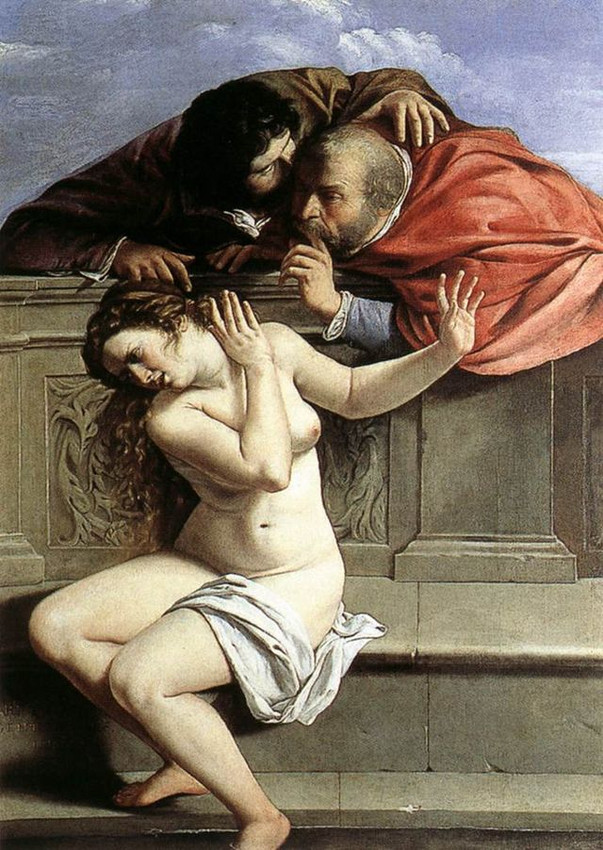
In Susana y los viejos, where a girl is spied on while she bathes, she again gives the woman a role very different from the traditional one. The character of Susanna appears seductive in Tintoretto's painting, or a picture of chastity in Rembrandt's. The Roman painter chooses instead to paint the young woman's rejection when she realises she is being watched.
In her creations female figures are a constant, biblical, mythological, historical and also intellectuals of her time. Through them she revolutionised the pictorial representation of women. She painted heroines with a strong, determined character, such as Judith or Cleopatra, but also figures considered weaker, such as Susanna or Mary Magdalene, taking care in these cases to reflect their state of mind. She was the first woman to tackle these subjects and she did it with Caravaggio's sense of drama.
She had a soft spot for female nudes. An admirer of Michelangelo, Artemisia brought movement and monumentality to the bodies on her canvases. A mastery that also shows in the exquisite quality of the fabrics. She probably learned that skill from her father, the Tuscan painter Orazio Gentileschi, who took charge of her artistic training.
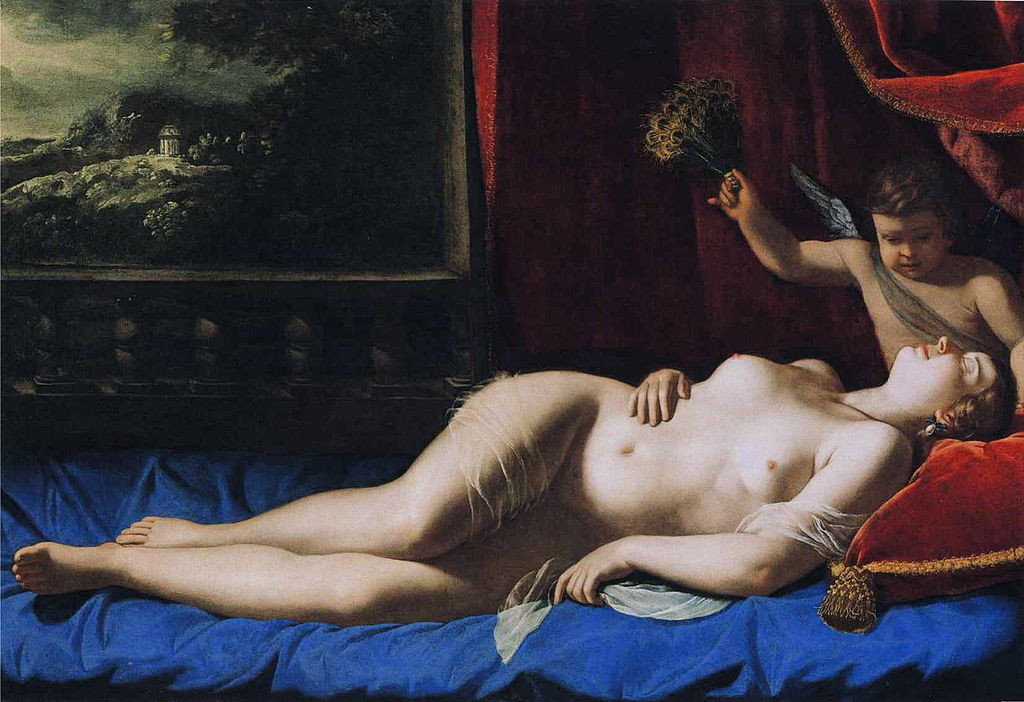
As an exponent of the Baroque, light is another of the elements that signs her creations. She uses a sophisticated contrast of light and shadow to achieve an intimate, realistic scene. By giving prominence to the part of the painting where the light falls, she makes everything happening around it shrink into the shadow.
Artemisia married Pierantonio Stiattesi and moved to Florence a few months after the rape trial was held. When they separated, her personal and professional independence began. She travelled to Venice, London and Naples, adapting to her work. She struck up relationships with influential people such as Count II de Médici, Galileo Galilei and even King Charles I of England.
She was able to live off the sale of her paintings, she managed to enter the prestigious Accademia delle Arti del Disegno in Florence, she was recognised by her contemporaries and she even signed her pictures. All of it a world away from the life of a 17th century woman.
Artemisia Gentileschi created artworks, 34 of them recognised, full of dramatic beauty and of stylistic elements that fed the Caravaggist school. But she also reinterpreted the female presence in painting. Freed from the traditional conception, she gave her protagonists naturalness, heroism and personality.
Comments (0)
Log in to leave your comment. Log in