
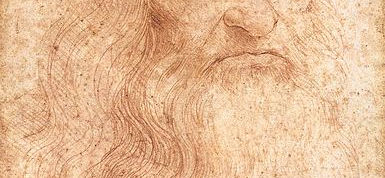
Today marks 563 years since the birth of Leonardo da Vinci. A date that, in his honour, also marks World Art Day on the calendar, dedicated to promoting creative activity. Architect, anatomist, engineer, scientist, painter,... and, above all, inventor, Leonardo reached the very peak of human creativity. So what better day to go over the merits that raised the Florentine genius so high and that justify this tribute to him?
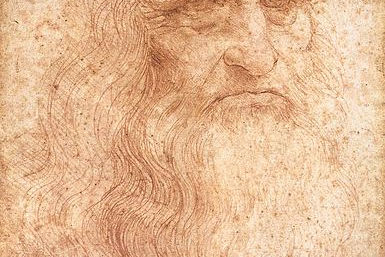
The illegitimate son of a notary and a peasant woman, Leonardo was born on 15 April 1452 in the Italian town of Vinci, in the heart of Tuscany. He began his artistic career in the studio of Andrea del Verrocchio, where he was trained in painting, sculpture and other subjects, such as metallurgy, chemistry and mathematics.
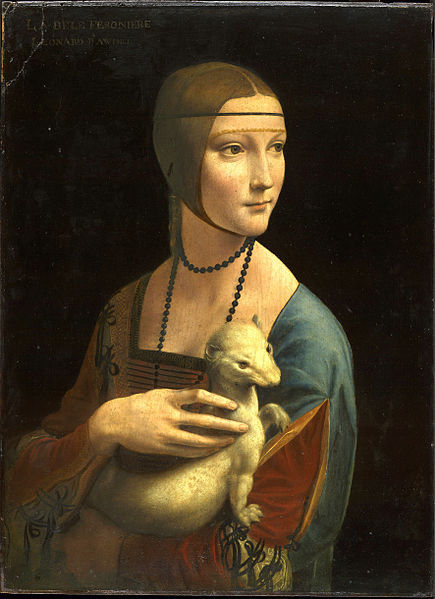
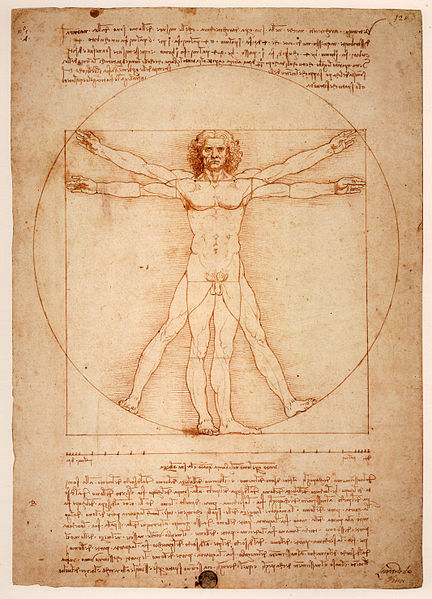
His next stop was Milan. Recommended by Lorenzo de Medici, he entered the service of Duke Ludovico Sforza. From this period comes his prodigious La Dama del Armiño (around 1488- 1490). One example of the many contributions Da Vinci developed, such as the new pose and the psychological expressiveness of the sitter, Cecilia Gallerani, the duke's lover. Around 1490 he also made his famous drawing El Hombre de Vitruvio, based on the studies of the ancient Roman architect Vitruvius, a symbol of ideal human proportions.
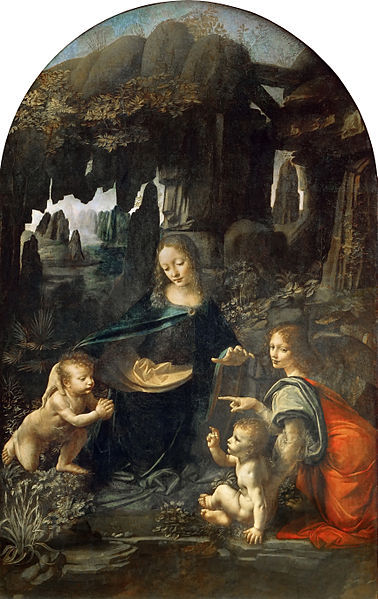
It was also in Milan that Leonardo painted one of the most celebrated artworks in the world, La última cena (1495- 1497), and his two versions of La Virgen de las rocas (1491- 1508). A completely innovative composition in which he astonished his contemporaries by bringing naturalness to his figures, a diffuse light and a strong presence of landscape.
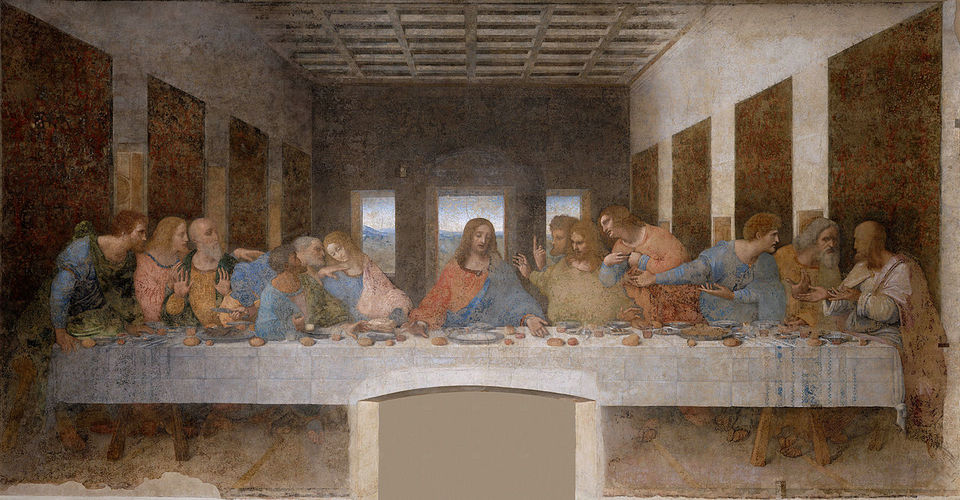
Leonardo was not a prolific painter in terms of quantity, but he had extraordinary talent. His curiosity, imagination and multidisciplinary training made him a universal genius, the archetype and symbol of the Renaissance. Probably comparable only to Michelangelo Buonarroti. Both have been considered representatives of the maturity and perfection of art.
And the truth is that the definition of Homo Universalis takes on its full meaning with Leonardo. The fame of his paintings has established him as an artist, but his work in other disciplines reveals that his was one of the most creative minds in the history of humanity. Restless and enterprising by nature, he took an interest in almost everything around him, and whatever was not yet within his reach he built himself, giving free rein to his inventiveness. He investigated human physiology and psychology, worked as a military engineer and town planner, designed clothes and ornaments, studied the laws of perspective and optics, revolutionised painting with new techniques such as sfumato,... and a long list of other activities and contributions, impossible to cite here, which he gathered in the more than a thousand pages, full of drawings and texts, of the Codex Atlanticus and in his Treatise on Painting.
Special mention goes to the repertoire of contraptions he created, which made him a visionary genius: flying and water machines, a camera obscura, a planetary clock, musical instruments,... A list that is equally long and incredible for one single man to have carried out and, even more so, one from his time.
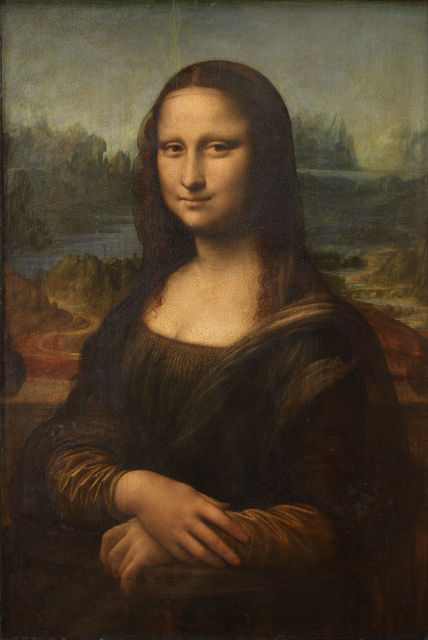
Leonardo reflected what he knew through his art. An art that perhaps reaches its highest expression in La Gioconda (1503- 1519). Even so, he went further with his ideas than with his painting, because although he glimpsed the art of the future, he never gave up the visual language of his own time. In 1515, after spending time in cities such as Venice and Rome, he arrived in France to work under King Francis I, settling in the Château of Clos- Lucé, in Amboise, where he died in the spring of 1519.
So ends the fascinating life of one of the greatest geniuses in history. Keep celebrating World Art Day with us!
Comments (1)
jORGE LEOPOLDO VILLALBA
February 19, 2022Log in to leave your comment. Log in