
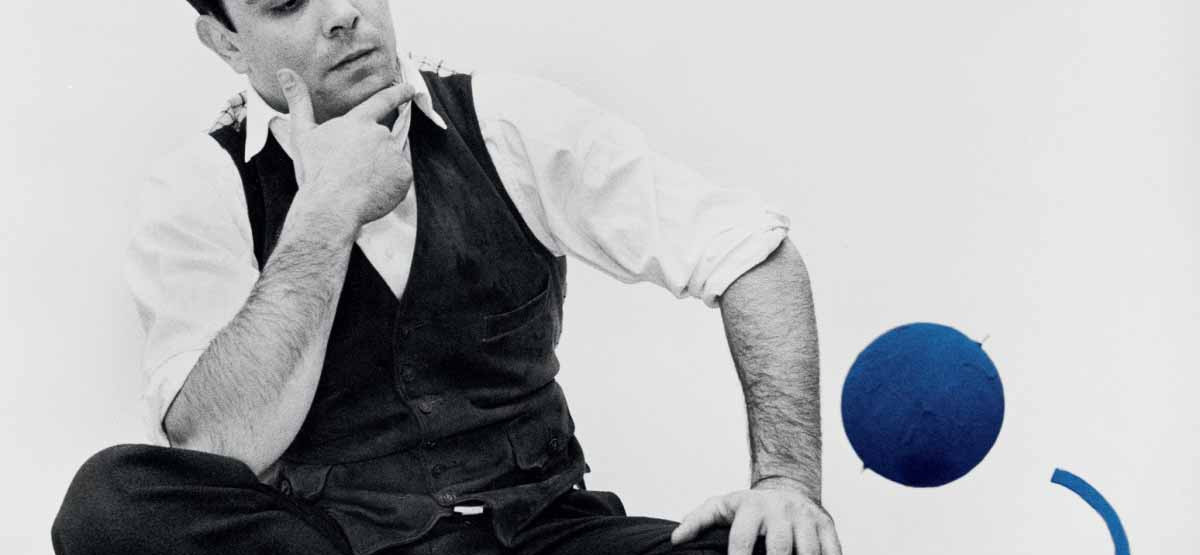
“Come with me into the void”. That was Yves Klein's (1928 – 1962) title for the lyrics of a song used in his 1960 exhibition Pinturas antropométricas. The void, lightness, transparency, “that immeasurable void in which lives the permanent and absolute spirit, freed from all dimension!”… Klein's philosophical ambitions were such that his seven-year artistic frenzy marked the art of the second half of the 20th century, and he still stands today as one of the most untameable, undecipherable and influential creators of recent history.
Yves Klein was born in Nice in 1928. His mother was Marie Raymond, an abstract painter and the daughter of a wealthy family of local perfumers, and his father Fred Klein, a figurative painter who was also an art dealer. Figures like Jean Arp, Robert Delaunay and Piet Mondrian passed through the Klein family home. So contemporary art was a regular topic of conversation in Klein's childhood… But he took up judo.
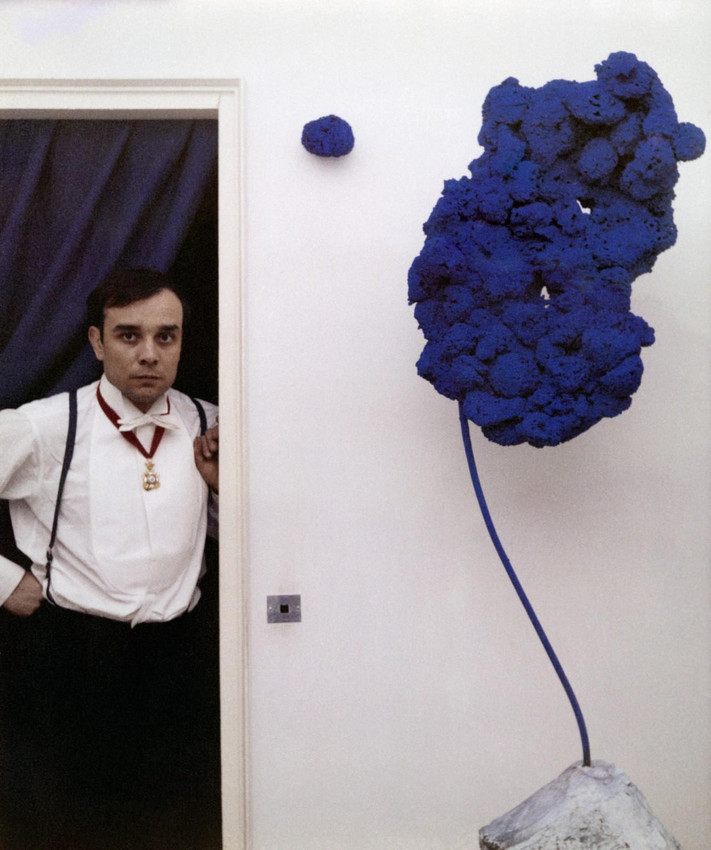
The young Yves Klein showed an unbridled passion for philosophy and esotericism, taking an interest in the secret teachings of the Rosicrucian order. “To free the spirit from solid bodies and return it to the Eden of unity, return it to the seamless transparency of Space”, said Max Heindel, a figure of the Rosicrucian Fellowship in the early 20th century who would hugely influence Klein, who spent years studying the teachings of the secret brotherhood: “Soon solid bodies will levitate and personalities will be able to leave matter of their own free will and travel in an immaterial or ethereal form”.
But before levitating, judo. Just past 20, he began practising judo fervently. Everything Klein touches he turns into something urgent. Which explains why, within a few years, and after spending time in Spain teaching judo, studying philosophy and admiring El Greco, he travelled to Japan, where he earned his black belt. But back in France he decided to turn his life around 180 degrees: mum, now I want to be an artist.
The monochromes would be the first and best known artworks of the dazzling career of the now painter Yves Klein. His single-colour paintings (usually the blue he himself patented under the name International Klein Blue (IKB)) set out to devastate the history of art: he was not just attacking compositional, representational or figurative elements, he wanted to break away from the abstract expressionism that dominated the artistic avant-garde, especially on the other side of the Atlantic.
Colour and void, the only elements Yves Klein allowed himself and the ones that would characterise most of his artworks. “To feel the soul without explaining it, without vocabulary, and to represent that sensation, that is the reason that led me to monochromy”. But his artistic ideology, fed by wildly different influences (including large quantities of alcohol and amphetamines), would remain impenetrable to a good many of his contemporaries, his parents among them. “You haven't understood a thing”, Klein replied to his mother after one of his first exhibitions, when she tried to be kind to her son: “these colours… they go well together”.
But in 1958, three years after starting his artistic career, he exhibited at the Apollinaire gallery in Milan and his name began to circulate in art circles. Klein means business. In everything he does. If we have to fast, let's fast for 45 days, and if art needs a revolution, let's not even stop to sleep. Yves Klein's life turned into a spiral of relentless work and severe disorder, with artworks that took on everything and showed a growing interest in the happening.
It was also in 1958 that he organised an exhibition where glasses of blue liquid were handed out as a communion drink under the motto: “the blood of the body of sensibility is blue”. They say some guests shuddered and wept, others went hours without speaking and a good number of them spent a week peeing blue.
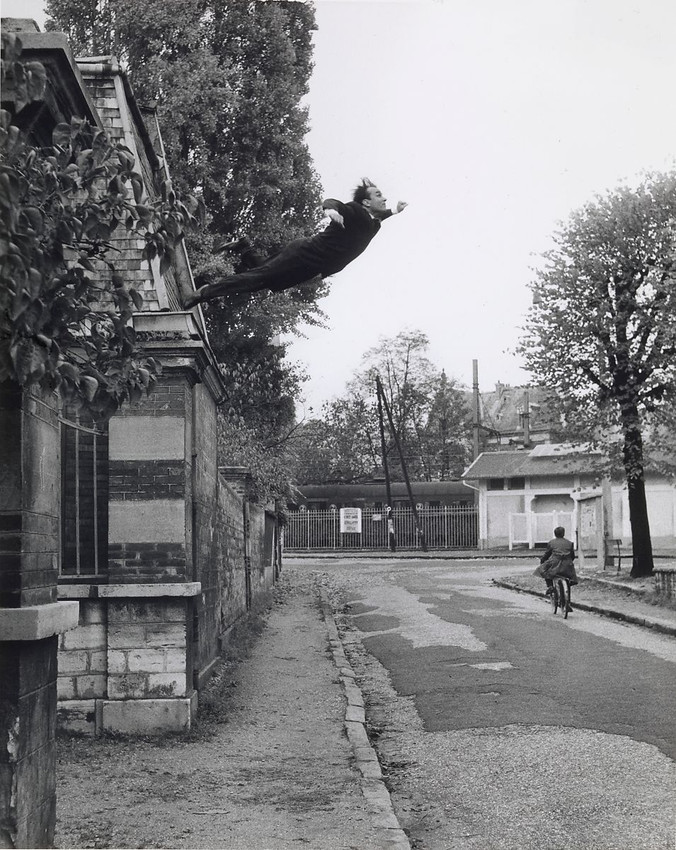
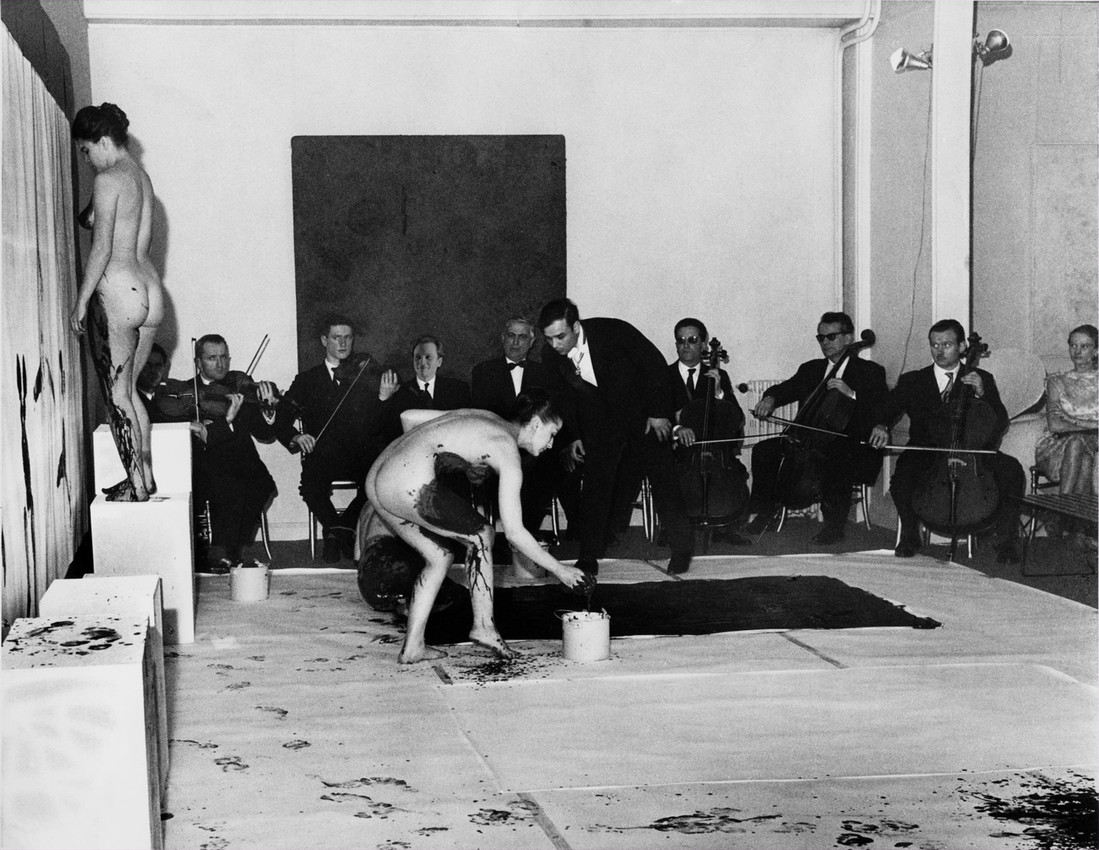
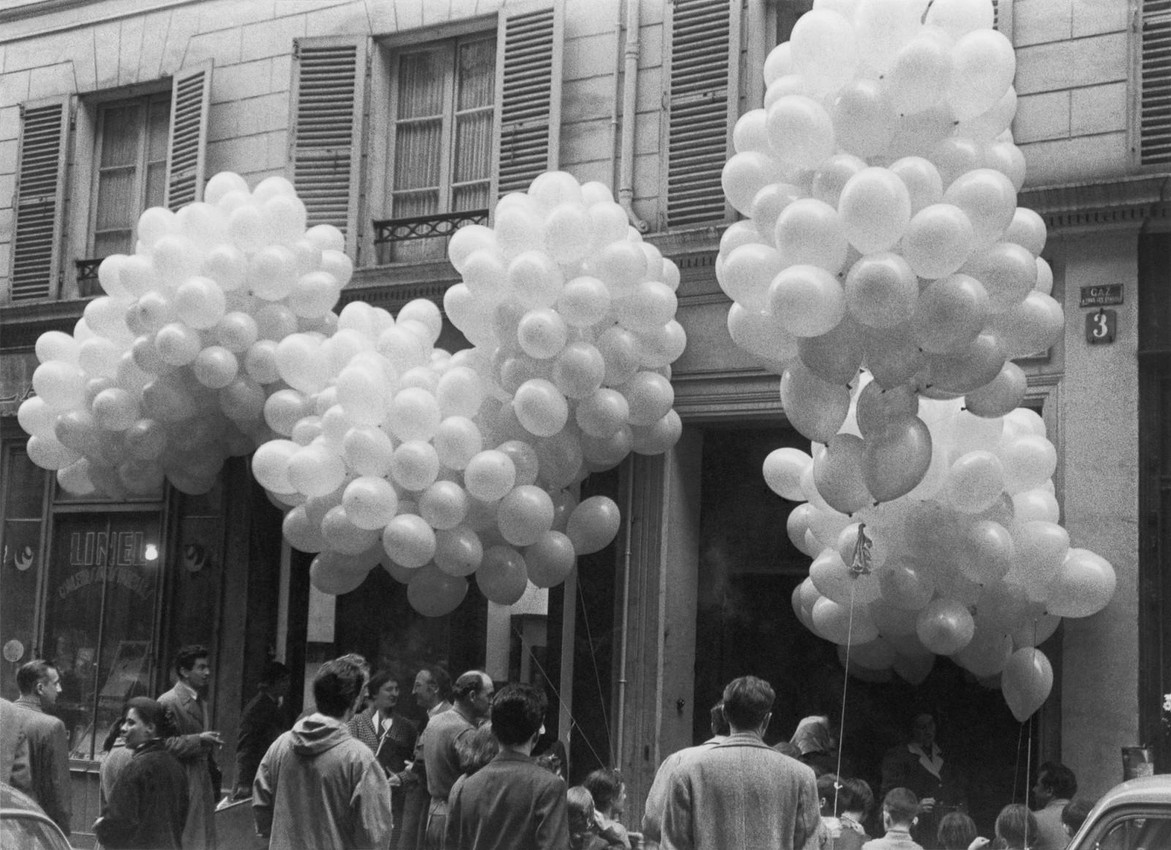
Yves Klein's creative ecstasy led him to seek out the pure void with a dangerous leap from a wall, immortalised in a photograph and used as a hook for his Teatro Vacío. Or when he painted models blue and had them parade through a gallery while a string orchestra and a choir played and sang the Sinfonía Monótona-Silencio, a single sustained note and 20 minutes of silence. Or when he released thousands of blue balloons for his aerostatic sculpture. Not forgetting his fire paintings, using the flame of a torch as a brush.
“I propose that artists go beyond art itself, because the human being is no longer the centre of the universe, but the universe the centre of the human being (…) Having mastered the force of earthly attractions, we will literally levitate in total physical and spiritual freedom”. And Yves Klein finally levitated on 6 June 1962, merging with the void and leaving behind a legend unique in the history of contemporary art.
Comments (0)
Log in to leave your comment. Log in