
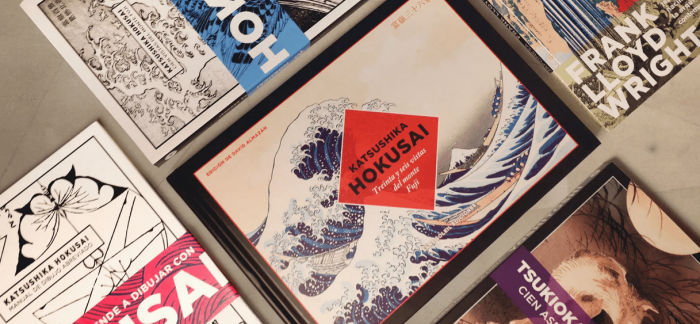
This April 23 is World Book Day and even though this year we won't be able to celebrate it by buying something at our favourite bookshop or at the stalls that fill our streets every year, we want to suggest a few titles for you to enjoy later on. We've mostly picked new releases from the last few months, and the reissue of a classic has sneaked in too. Here are the ones we're most eager to get our hands on.
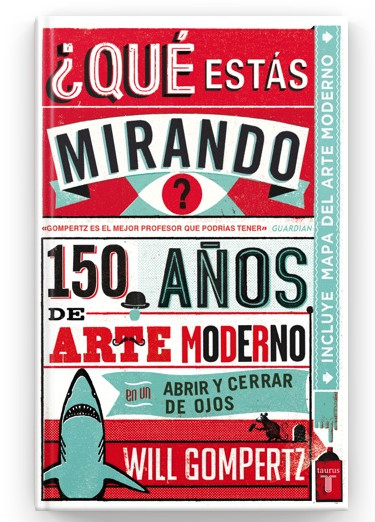
1. What Are You Looking At? 150 Years of Modern Art in the Blink of an Eye
It looks like this book is on its way to being one of the best-selling art books of the year. It's a guide written by one of the world's leading art experts, Will Gompertz, Arts Editor at the BBC and former director of the Tate Gallery in London. From Monet's water lilies to Van Gogh's sunflowers, by way of Warhol's soup cans and Hirst's sharks in formaldehyde, this book reveals the story behind the artworks, the people behind the artists and the real magic hidden in modern art. What is modern art? Why do people love it or hate it? And why is it always so outrageously expensive?
What Are You Looking At? answers all the questions we've always asked ourselves and never dared to ask out loud. In a surprising tour through the last hundred and fifty years of art, peppered with revealing anecdotes, Gompertz explains what the genius of Pollock or Cézanne consists of, how a urinal changed the course of history or why our five-year-old nephew really couldn't have done the same. Original, irreverent and very accessible, this book breaks down myths and prejudices and will make our next museum visit less intimidating and far more exciting.
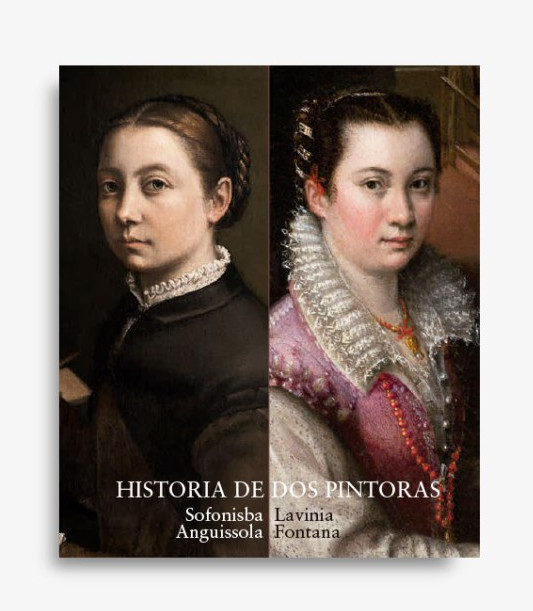
2. A Tale of Two Women Painters. Sofonisba Anguissola and Lavinia Fontana
From October 22, 2019 to February 2, 2020, the Prado Museum hosted this fantastic exhibition, which brought together for the first time the work of Sofonisba Anguissola and Lavinia Fontana, two of the most remarkable women in the art history of the second half of the 16th century. A Tale of Two Women Painters: Sofonisba Anguissola and Lavinia Fontana includes, besides the 65 catalogued artworks, essays by Michael Cole, Almudena Pérez de Tudela, the Prado Museum's Technical Department and Leticia Ruiz herself, head of the Department of Spanish Renaissance Painting at the Museo Nacional del Prado. It also includes a detailed chronology of each of the two artists, a specialist bibliography and an index of names.
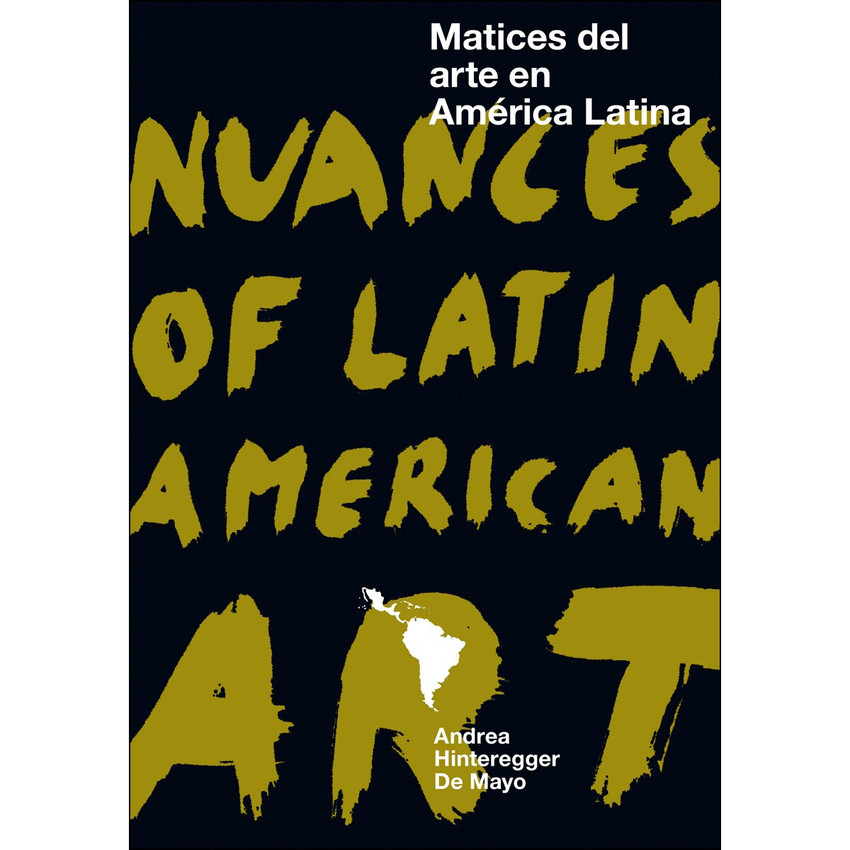
3. Matices del arte en América Latina
This bilingual book (Spanish and English) written by Andrea Hinteregger De Mayo is a portrait of the richness of contemporary Latin American art through its creations. The author asks whether there is such a thing as Latin American art. That leads her to study the cultural diversity of countries like Argentina, Brazil, Honduras, Mexico and Peru. Through sixteen exhibitions bringing together 44 Latin American artists, held between 2010 and 2016, Hinteregger De Mayo offers an overview of the complexity of the contemporary art they represent.
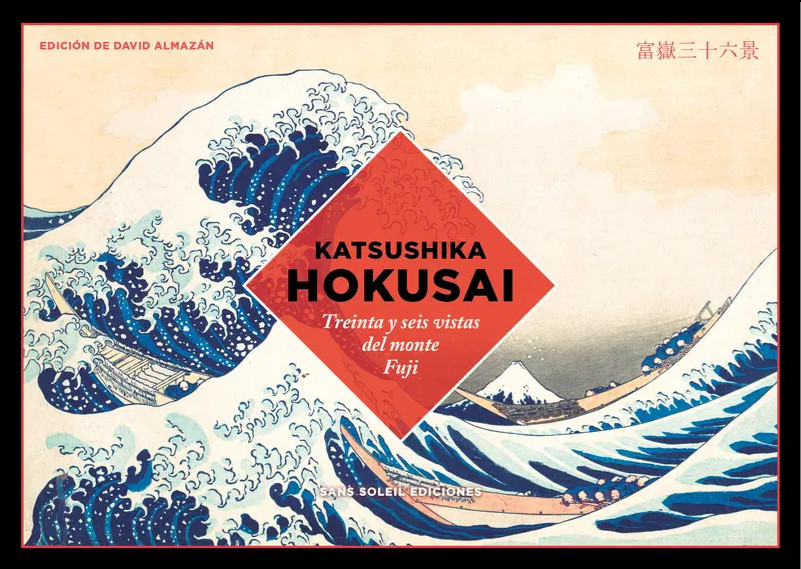
4. Thirty-Six Views of Mount Fuji
Mount Fuji fascinated Japanese artists enormously, but perhaps none managed to portray it as masterfully as Katsushika Hokusai (1760-1849). This volume, edited by professor David Almazán Tomás, gathers the complete series Thirty-Six Views of Mount Fuji, an artwork that has become in its own right one of the milestones of universal art history. In it we travel through Japanese geography and culture by way of immortal prints such as "Red Fuji" and "The Great Wave off Kanagawa".
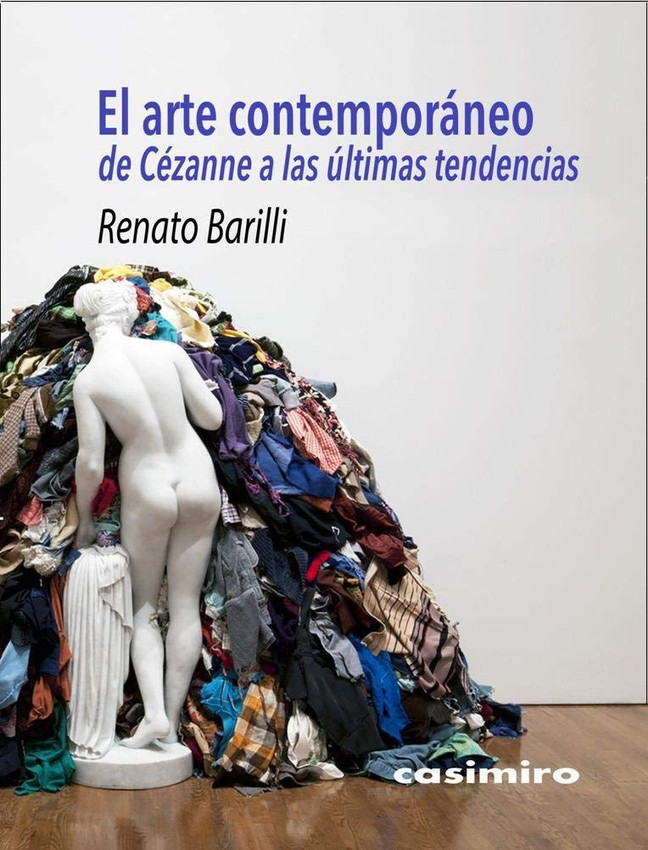
5. El arte contemporáneo: de Cézanne a las últimas tendencias
A new November 2019 edition of this 1984 classic by Renato Barilli. The book sets out to capture the essence and relevance of contemporary art starting from three elements of analysis: the technological developments of the period (the shift in material culture from the mechanical to the electronic), the body of knowledge that art feeds on and converses with (its own heritage and the ideas of each period) and, lastly, the swings in artistic language (between more abstract or more figurative styles). It thus offers three wavelengths (long, medium and short) with which to interpret and understand contemporary art from its birth to the most current phenomena.
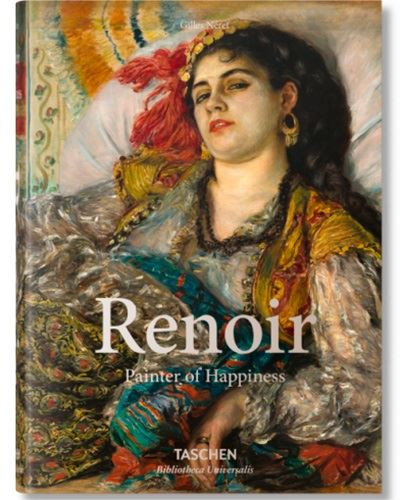
6. Renoir - Painter of Happiness
In this masterly text, which details the artist's entire career and traces his stylistic evolution, Gilles Néret shows how Renoir reinvented the forms of women in painting through his everyday goddesses with their pronounced curves, hips and breasts. The final phase of Renoir's work, in which he returned to the simple pleasure of painting the female nude in his series of bathers, was the most innovative and the most stylistically influential, and would later inspire masters such as Matisse and Picasso.
With a full chronology, a bibliography, an index of artworks and splendid colour reproductions, as well as photos and sketches illustrating Renoir's life and work, this is the essential reference book on this master of painting.
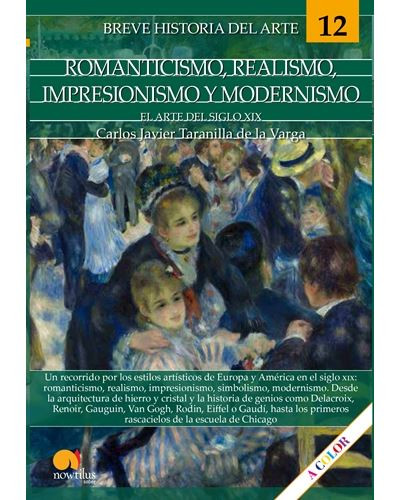
7. Breve historia del romanticismo, realismo, impresionismo y modernismo
From the great political and economic events such as colonialism or the unification of Italy and Germany, to the turbulent events that took place in Spain after the death of Ferdinand VII (from the Carlist wars, Isabella II's accession to the throne and her dethronement to the Bourbon restoration, with the First Republic in between), every artistic movement is covered in this Breve Historia: Romanticism, Realism, eclectic architecture and iron and glass architecture, Impressionism, Pointillism, Symbolism and Modernism. Great artists such as Delacroix, Gericault and Eiffel in France, Friedrich in Germany, Paxton in England, the great French and Spanish Impressionist masters, the artists who opened the way to 20th-century painting (Cezanne, Gauguin, Van Gogh), the sculptor Rodin and the brilliant Gaudí display their work across the pages of this title, essential for getting a complete picture of such an important period in art and history.
8. El jardín del prado: Un paseo botánico por las obras de los grandes maestros
Flowers and plants have been present throughout the history of painting, and the Prado Museum houses some of the paintings with the most beautiful depictions by the great masters: Van der Weyden, Bosch, Fortuny, Patinir, Zurbarán and Goya delight us with carnations, marigolds, borage and lemon trees. Eduardo Barba shows them to us in a story of identity, memory and time, all closely tied to art history.

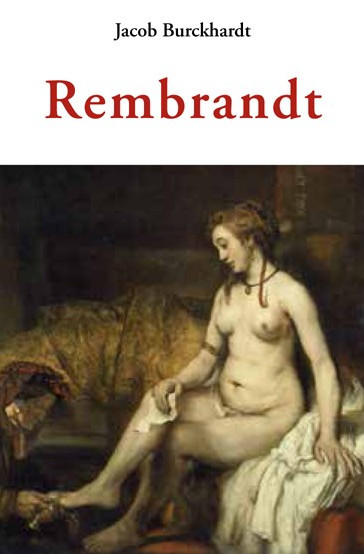
9. Rembrandt
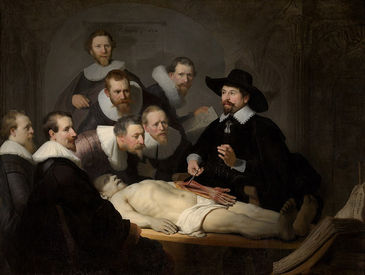
In this text, Burckhardt analyses the brilliant Rembrandt and, through his excessive, marginal artistic personality, the historian works out the essence that defines modern art. He uses this painter to define the new type of genius and analyses his extreme peculiarity and his one-sided interest in the phenomenon of light.
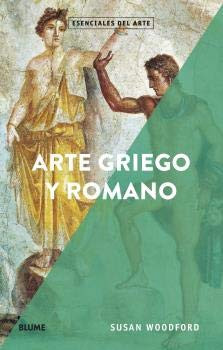
10. Greek and Roman Art (Art Essentials)
A sharp, clear guide, and above all one focused on Greek and Roman art, from the evolution of sculpture to the detailed techniques of vase and mural painting. This book offers information on the origins of the daring innovations of those who explored new ideas, with information on the great efforts of sculptors and painters to portray, for the first time, both the complexities of the human form and the richness of its emotions. Time has ravaged and destroyed so much that Greek and Roman art can seem to have consisted only of impressive ruins and broken fragments. But the reality is very different. Each section provides a succinct explanation, characteristic artworks and a relevant list of key artists, features, disciplines and collections. The reference section includes an indispensable glossary of art-world terms, an accessible timeline and an index of artists.
To get hold of them, ask at your trusted bookshop :) They may not be able to send them to you right now, but you can surely buy them or reserve them for when it opens again.
Have you read any art books recently? Which one would you recommend?
Comments (0)
Log in to leave your comment. Log in