
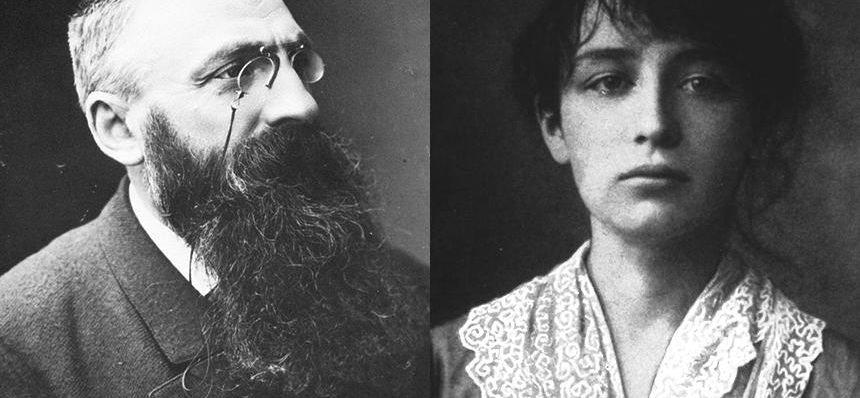
They say time puts everyone in their place. It's a childish self-help mantra and, on top of that, flat-out wrong. A quick look at the history of art is enough to realise that time isn't the same for some as it is for others. And what is Camille Claudel's place? That of the mad, scorned lovers? Or that of the women who fell victim to a history (of art) written by myth-loving historians?
Camille Claudel (1864 – 1943) stopped existing for the world for 30 years. But she was still alive. Her family had her committed from 1913 until her death in the middle of World War II. "Systematic delirium of persecution based mainly on false interpretations and imaginings." That was the diagnosis used to justify the sculptor's admission to the Ville-Évrard asylum.
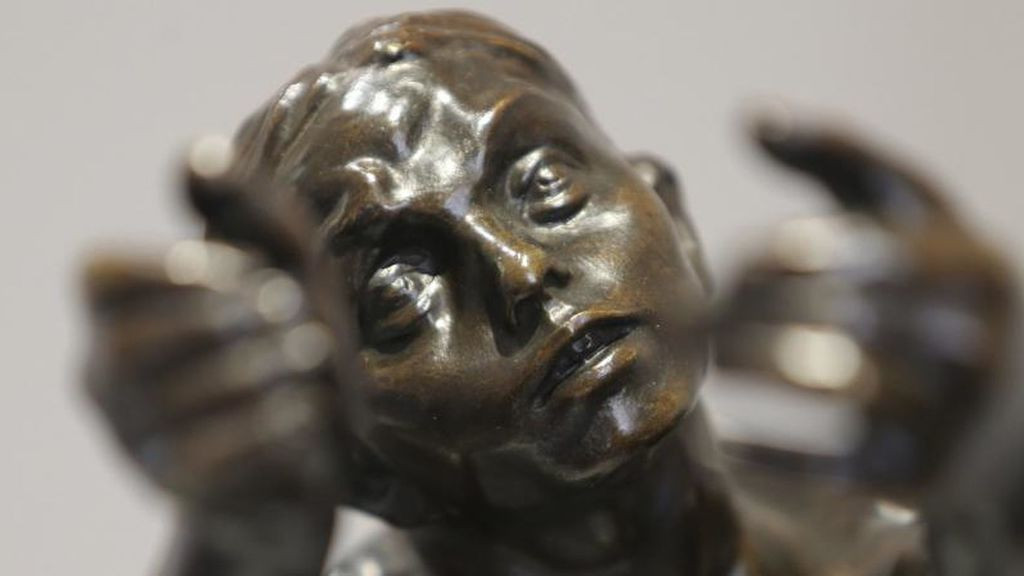
Was Camille mad? The doctors' reports that have come down to us aren't conclusive, but they suggest the sculptor had reached a point of no return with her emotional conflicts. Her family could certainly have thought of a less drastic solution, but her brother Paul (a diplomat and poet) carried on his conscience the fact that he left her shut away in the psychiatric hospital until she died.
Why did Paul Claudel make his sister invisible for 30 years? Why did he only visit her seven times in all that time? Camille's biographers say the artist had only one defender in her family: her father. And that once he died, with Camille increasingly given over to her demons, her brother, her sister and her mother had a free hand to put her out of the picture. There was already too much talk in Paris about that mad ex-lover of Rodin's...
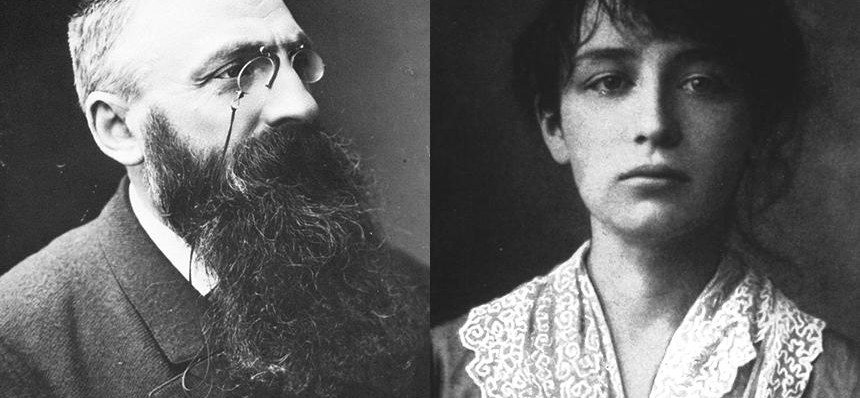
1883. Camille Claudel gets her father's permission to devote herself to her great passion: sculpture. Of course, it wasn't the usual thing for bourgeois women at the time, but drop by drop we find more and more women taking part in the bubbling cultural life of fin-de-siècle Paris.
Camille meets Rodin and joins his studio as an apprentice. And the legend begins. Historians lean on the letters the two exchanged and on the press of the day to build an epic tale with every ingredient of a soap opera: passion, betrayal, abortion, jealousy and madness. And in among all that, every now and then, flashes of objective art-historical analysis slip through.
At the end of the century, the visual arts are going through a revolution. In painting, the Impressionists give way to the avant-gardes. And what about sculpture? Less inclined to drastic change and more attached to classical canons, this discipline starts to break with the past by bringing in avant-garde elements. Rodin (and his studio) is one of the main drivers of that transformation.
Camille Claudel undoubtedly learns a great deal alongside her master, who thinks so highly of her that he takes her opinion into account when working on several of his artworks from that period. Camille collaborates on the famous Puertas del Infierno. Expressionism finds its place in sculpture too.
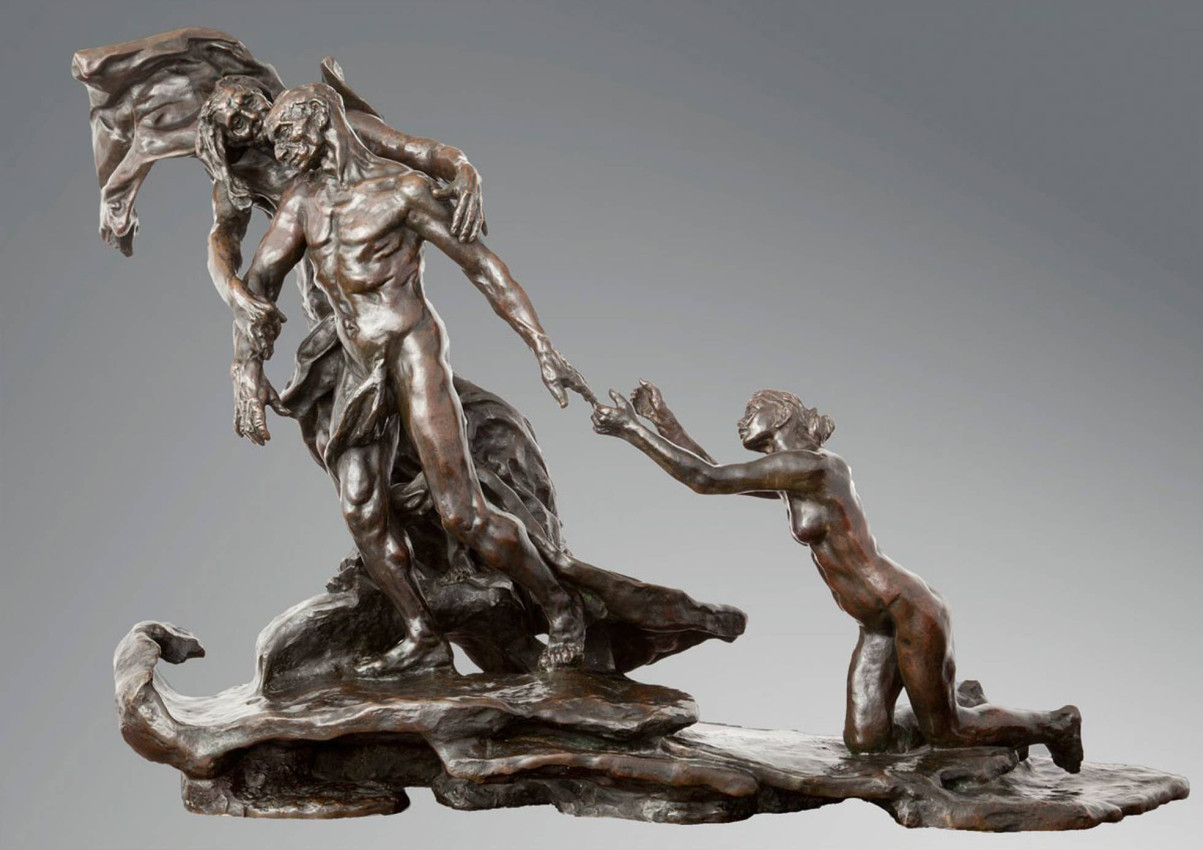
Despite the big age gap (Rodin was 20 years older) the two clearly feed off each other artistically, influencing one another. Although in 1893 the couple (romantic and artistic) decide to break up, both will follow parallel paths stylistically: you only have to look at Claudel's La Edad Madura , her best-known artwork, to see that influence.
Camille Claudel's artwork is celebrated in Paris at the end of the century, her name is championed and exhibitions of her work are organised. But as the first decade of the 20th century wears on, Camille withdraws from the world... and then she is pushed aside and locked up. And the sculptor's trace is lost, leaving only that of the artist's lover.
We don't know whether time has put Camille Claudel in her place (at least, every now and then, we talk about her as an artist again) but what we are sure of is that we'll never manage to rescue all those Camille Claudels, women and men, who have been left hidden in the history of art under the shadow of so many blessed myths.


Comments (2)
Lucia
November 22, 2019Jaime Roberto Rodríguez Pantoja
September 9, 2019Log in to leave your comment. Log in