
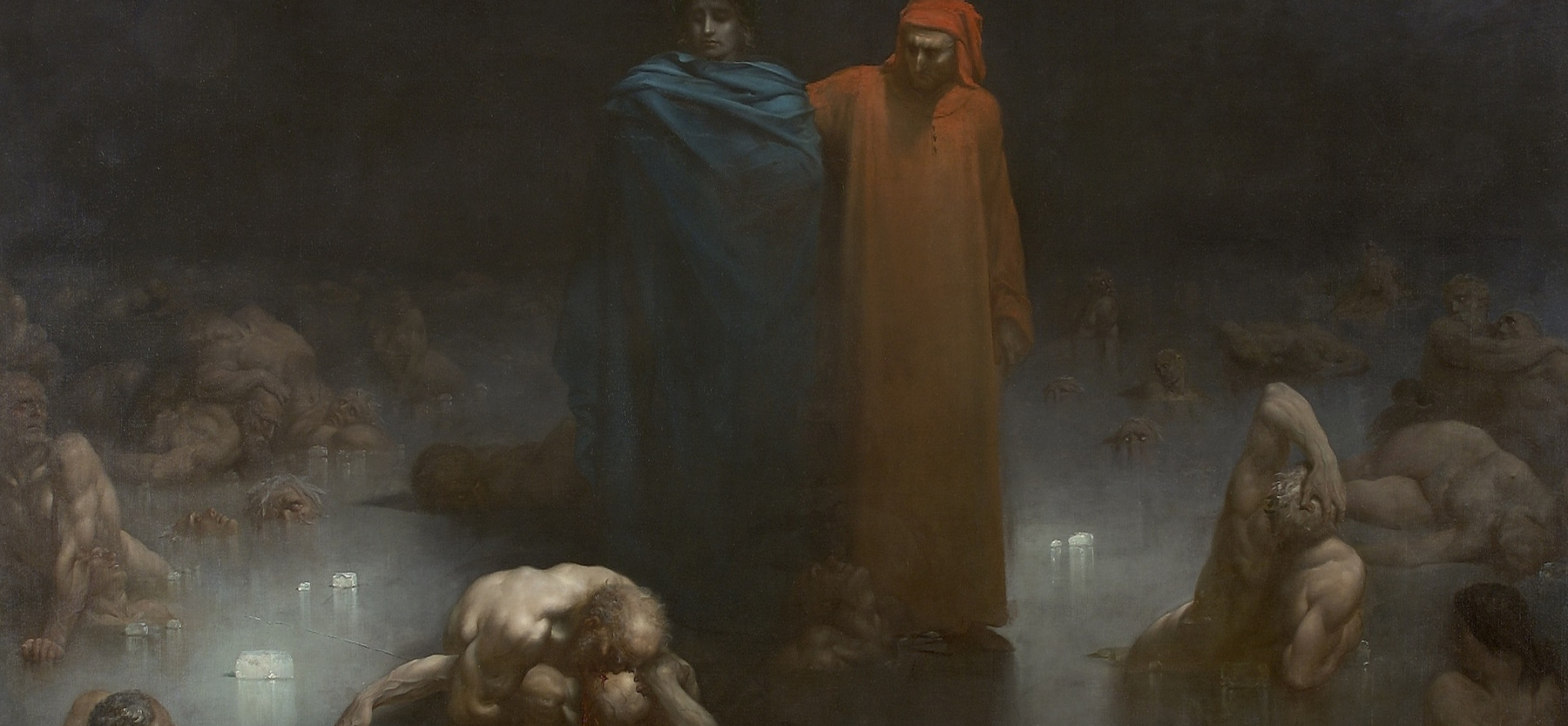
Johann Muschik, the Viennese historian and critic, linked fantastic art to the Vienna School of Fantastic Realism, founded in 1948 by a group of painters mentored by Albert Paris von Gütersloh, the group's spiritual father. Its members were artists such as Ernst Fuchs, Wolfgang Hutter, Arik Brauer, Rudolf Hausner and Anton Lehmden. Influenced by the discoveries of psychoanalysis, they set about exploring the unconscious consciously, depicting subjective worlds governed by a rational spirit.
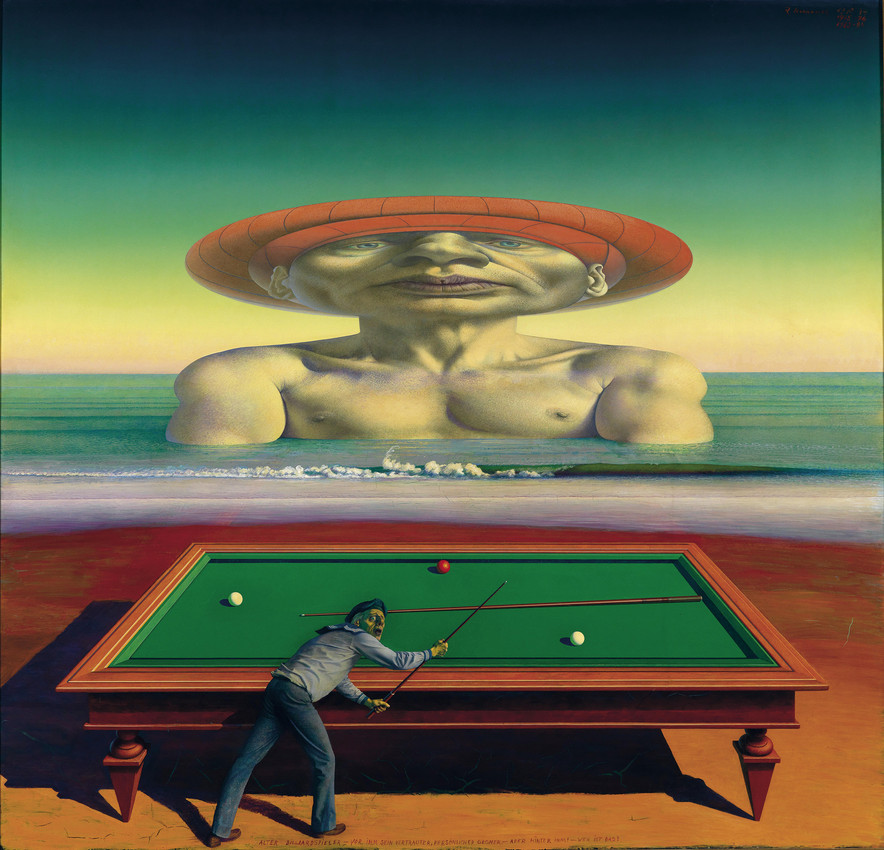
Their subjects came out of the religious and mystical traditions of the West and, in visual terms, they set themselves against the abstract art that dominated the art scene in the middle of the 20th century. At first they were classified as surrealists, but Muschik set them apart from those by the absence of absurdity, paranoia and hallucination. This school's nonconformist proposals scandalised post-war Vienna and the international art context represented by abstract art.
The group's main characteristic was where it came from, post-war Austria, and its fascination with classical painting, especially from the north. They had no manifesto and, although they all met at the Academy of Fine Arts Vienna, each of them kept a fairly personal style.
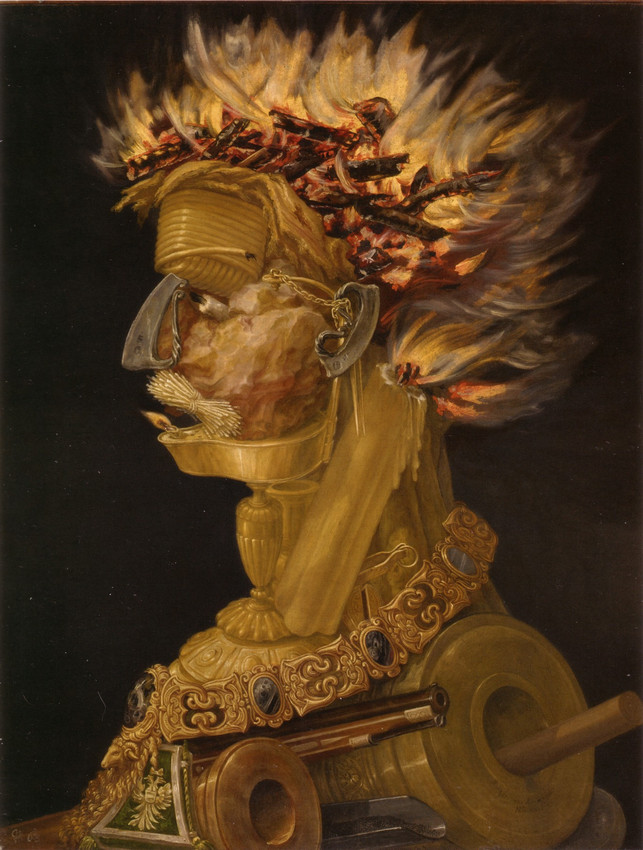
The public came round from 1962 on, when an exhibition was held with 23 artists representing the Vienna School of Fantastic Realism. In 1965 another travelling exhibition was organised which toured all of Germany and won them international recognition. They came to be considered Austria's best contribution to the art of the second half of the 20th century. From that point on, each artist ended up developing a more personal style, until in 1972 a retrospective exhibition in Japan brought them together again.
The group proved very influential in the evolution of fantastic figuration from the second half of the 20th century on, which today is represented by artists such as Wayne Barlowe, Zdzislaw Beksinski, George Grie and H. R. Giger.
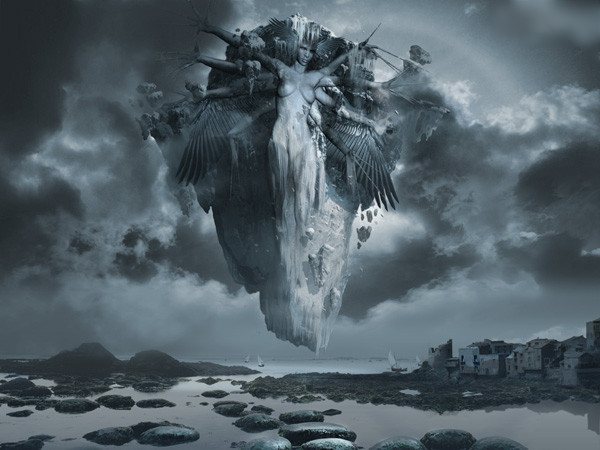
This genre is characterised by the depiction of subjects connected with folklore and with the mystical and mythical traditions of peoples. It is hard to classify certain artists as "fantastic", since it may be that only a small part of their artwork is, as would be the case with Goya or Bosch, although there are other artists such as Giuseppe Arcimboldo or Paul Delvaux who can be described as fantastic almost in their entirety.
As Walter Schurian points out in his book Fantastic Art, this art has always existed, and that is why we can find fantastic forms and subjects in movements and styles as distant in time as Mannerism, Surrealism and Dada. For this reason fantastic art cannot be treated as a school or an artistic current, but as a genre in its own right.
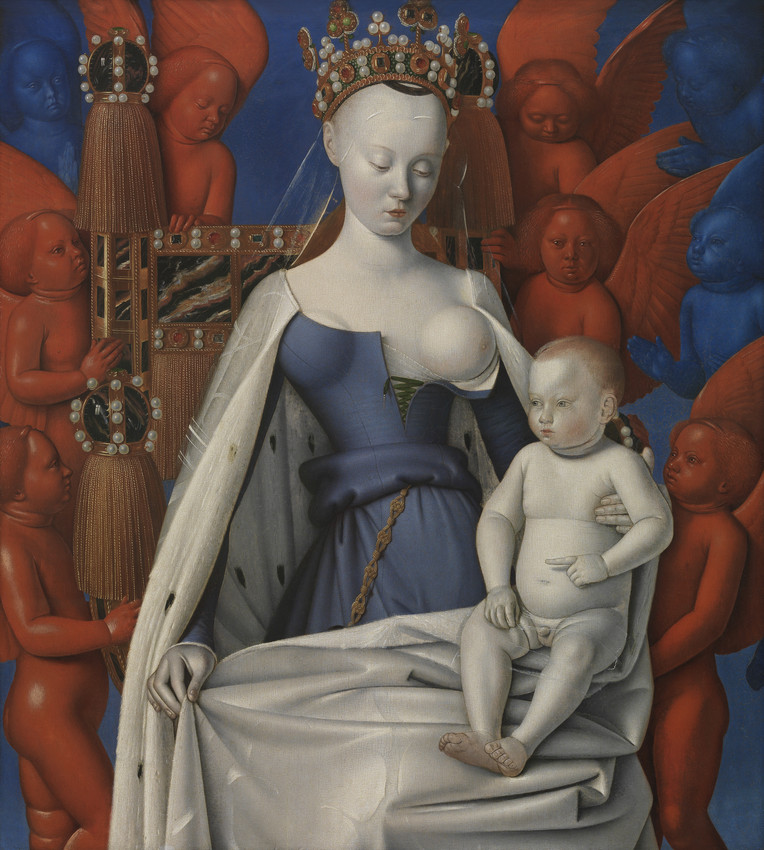
You can see our interesting collection of Surrealist and fantastic art here.
Comments (1)
Carmelo González Gutiérrez
June 9, 2016Moises no nos defrauda nunca con su buen gusto y magistral presentación. Seguiremos esperando con atención sus próximas publicaciones.
Log in to leave your comment. Log in