
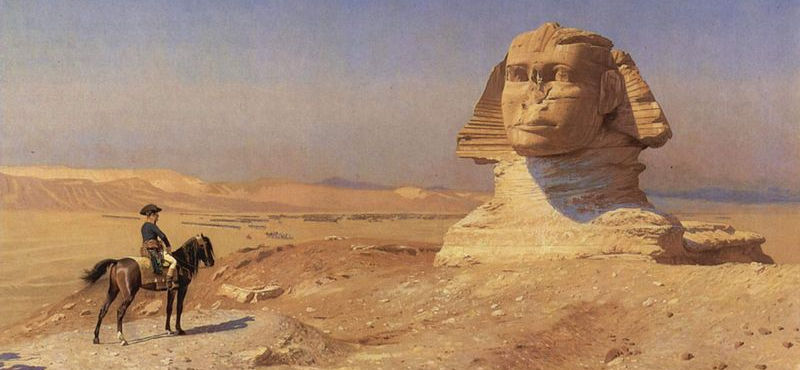
The Lumière brothers hadn't yet set the machinery of cinema in motion when the French painter Gérôme was already building images that could easily be mistaken for Hollywood stills. A diehard defender of academic rules, he was, without meaning to be, anything but reactionary.
Jean- Léon Gérôme (Haute-Saône, 1824- Paris, 1904) passed every demand of the old school with flying colours. In his case, he worked in Paul Delaroche's studio, was a copyist at the Louvre Museum and, of course, kept well away from any revolutionary movement that came up in his day. And yet he also founded a surprising pictorial universe that anticipated the staging seen years later in big film productions.
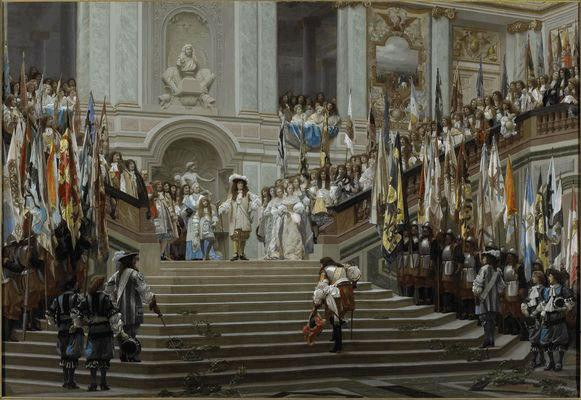
People liked his artworks, and a lot. The secret of his success lay in giving his public what it wanted, and so he didn't hesitate to turn history into spectacle. He composed genuine visual narratives out of images that made viewers feel like eyewitnesses to what they were seeing. To pull it off, he relied on exact, precise representations achieved through the constant use of photography.
Gérôme painted history through the prism of intimacy and everyday life, letting the anecdote be the main character of the story. The same happened with his oriental subjects. From the various trips he made to Egypt, Algeria and Turkey, he retained scenes and landscapes that he would later reassemble in his paintings, captivating his contemporaries with them.
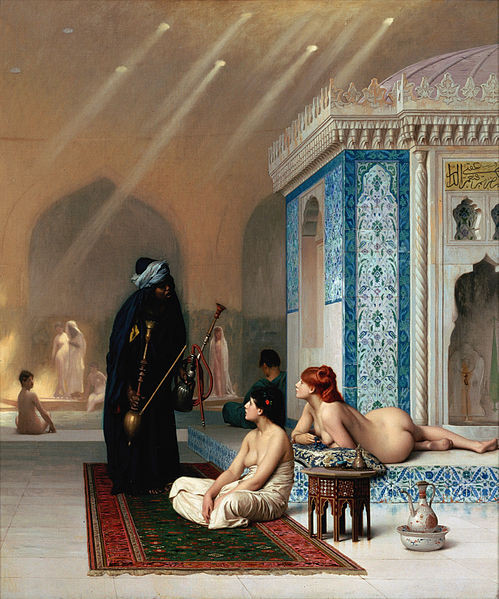
He manufactured his artworks through painstaking documentary research, but he also drew on the fantasy that surrounded those far-off places, so exotic to his fellow Westerners. Allowing himself, if need be, the odd licence so as not to deprive them of the image they expected. That way, the Orient dreamed up by Victor Hugo was immortalised on his canvases.
From his expeditions to the East he showed warriors and dancers, as well as the interiors of markets, mosques,... attending scrupulously to the details of architecture and dress to achieve greater truthfulness. In history he preferred Antiquity, the French 17th century and the Napoleonic years. All his artworks got the same treatment, based on an interest that was colourist, delicate, sensual, with a certain romantic tone, and recreated in a theatrical atmosphere.
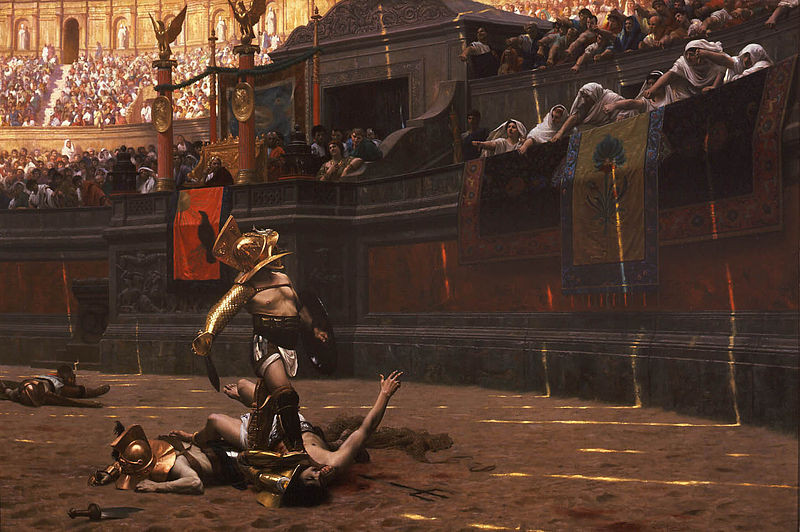
In the second half of the 19th century, the business of reproducing artworks was booming. Copying his creations through engraving and photography suited his style very well, and the images of his paintings soon became hugely popular, turning into icons of visual culture.
Gérôme also took up sculpture. His dedication to this field would come later, in the last decades of his life. And the truth is he sculpted pieces of great quality, to which he knew how to carry over the values of his painting.

Comments (0)
Log in to leave your comment. Log in