
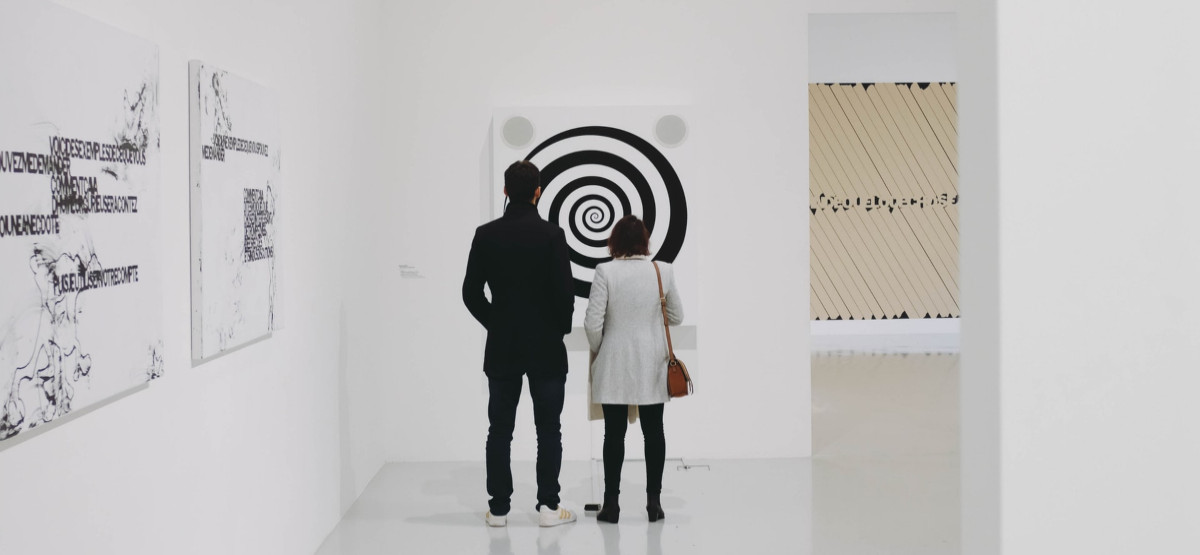
“Being good in business is the step that comes after Art. I started as a commercial artist, and I want to finish as a business artist. Making money is art and working is art. And good business is the best art”.
That's how emphatic Warhol was, and maybe a touch ironic, when he talked about the relationship between art and money. For those of us who believe art is the highest creative expression of the human being, statements like this turn the stomach a little, but denying the relationship between the art object and money in a capitalist system like ours is quixotic.
The creative act may well be selfless, sublime and even magical, the gestation of an artwork may well unfold outside the law of supply and demand, but once that artwork goes on the market the perspective changes radically: art becomes an object that is bought and sold. And this is where the investor comes on stage, a key figure in the art market.
Unlike the speculator, who is after a quick return on their investments no matter who falls by the wayside, the investor is someone who puts their savings into certain companies or commercial sectors trusting that they will yield a return in the medium or long term. Let's say the speculator is an aggressive, greedy and often irresponsible player while the investor is a moderate, sensible one. But both are playing, and both want to make money.
And art makes money. Even more so in times of crisis. As if the financial crisis of a decade ago hadn't been enough, we're already on the doorstep of another one. And investors are pulling back to look for new (and safe) opportunities in a scenario of uncertainty. Art, like gold, is a safe haven, the experts say: these are the so-called defensive assets, whose value rises in times of crisis because they aren't directly tied to the ups and downs of the economy.
Crisis as opportunity, art as investment. Fine, let's invest in art then. The first thing we need in order to invest in art (or in anything) is savings. To get a medium or long term return on our artistic investments, the experts advise steering clear of the “buyer” and moving closer to the figure of the collector.
The buyer buys the artworks they like without building a coherent collection. The collector, on the other hand, thinks their acquisitions through with the aim of bringing together a series of artworks that also have value as a whole. This is the first stage for the art investor: learning to collect. Because anyone can buy art, but not everyone knows how to collect it.
And how do you learn to collect? By studying, researching and getting advice. We may be art lovers with a certain aesthetic sense, but investing in art requires building a solid grounding in art history as well as understanding how the art market works. And this is where the business of investing in art gets complicated, especially for small investors.
Because investing in a Picasso or a Van Gogh takes no training at all, just being a millionaire: they will always appreciate over time. The merit (and the risk) lies in investing in emerging art, in getting ahead of market trends and spotting opportunities before those artists make a name for themselves. At this point, the art investor needs to develop two sides: settling on a personal artistic criterion and having good advisers.
Artistic criterion is forged through study and an alert mind, by staying attentive and in touch with market trends, with exhibitions, galleries and specialist publications. But this personal criterion (which also involves personal taste) should always be combined with specialist advice, if only to have 'a second opinion'. If we trust our own judgement alone, we'll be taking on more risk.
On that note, there is now an online market alongside the classic gallery market that offers the investor a very interesting touchstone for following the evolution of the art market, and of artistic trends too. Yes, you can invest in art without leaving home.
All in all, investing in emerging art can be a delightful game. Watching our bet on a particular artist bear fruit is a pleasure: not just for the financial gain, which is what an investor is after, but for the aesthetic satisfaction, seeing that our artistic judgement was right, that we got ahead of the fashion, that we spotted an artistic trend… before other investors did.



Comments (1)
sallli
September 13, 2020revisa mi pagina artesanelli.artelista-com allí puedes ver mi nuevo proyecto " en búsqueda de la sensación del color"
Log in to leave your comment. Log in