
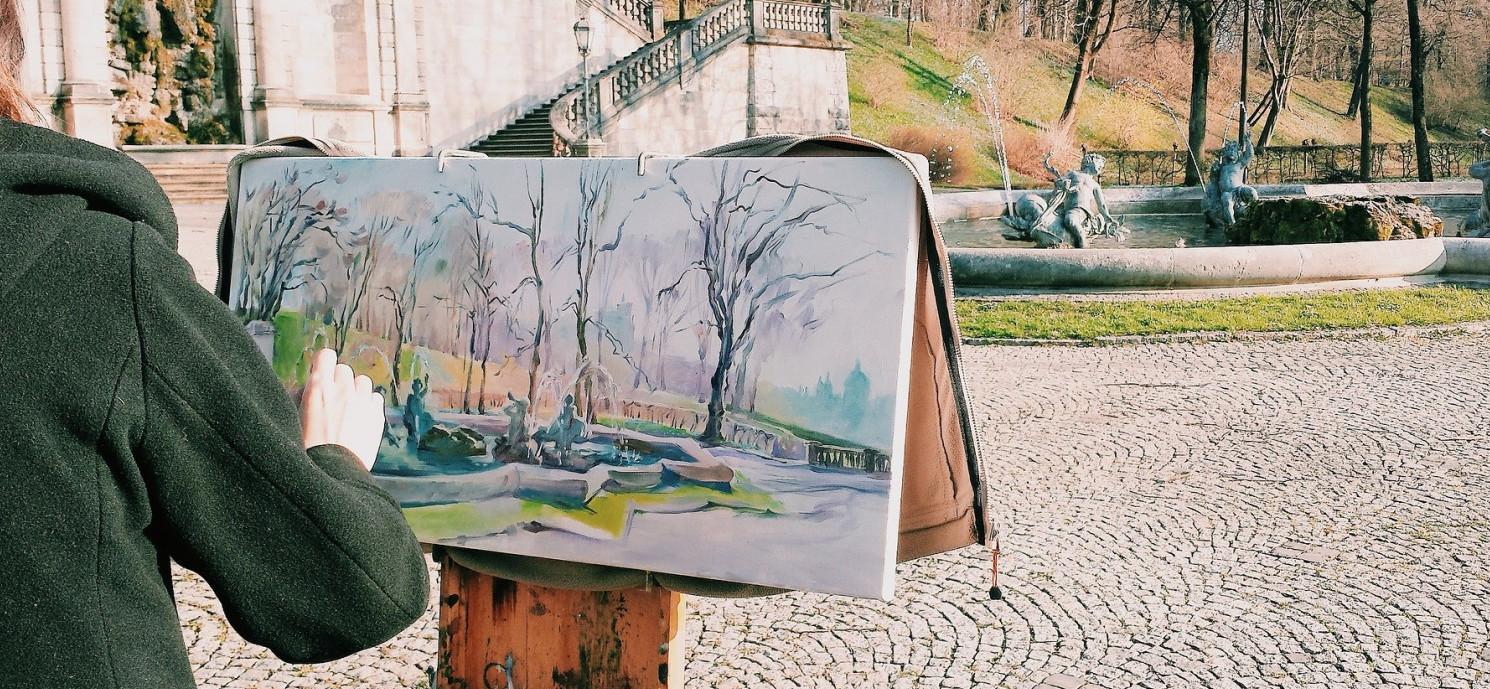
Painting is a solitary occupation, a silent trade. In the studio or out in the open air, a painter needs isolation and reflection to tackle an artwork. Like (almost) any other creative discipline, painting is an introspective, individual art. But this compulsory isolation an artist goes through has to be balanced with sharing findings and thoughts with, other artists… and with the public. Besides exhibitions, competitions are a good way to interact, and among them, speed painting competitions are hugely popular. Is it worth a try? Is there money in it? How do you win a speed painting competition? Let's take it step by step.
Speed painting competitions are a type of painting contest that's very popular in Spain. Most of them are run by town councils and public bodies with the backing of local companies or associations. And in most of these contests the aim is to promote the town through painting.
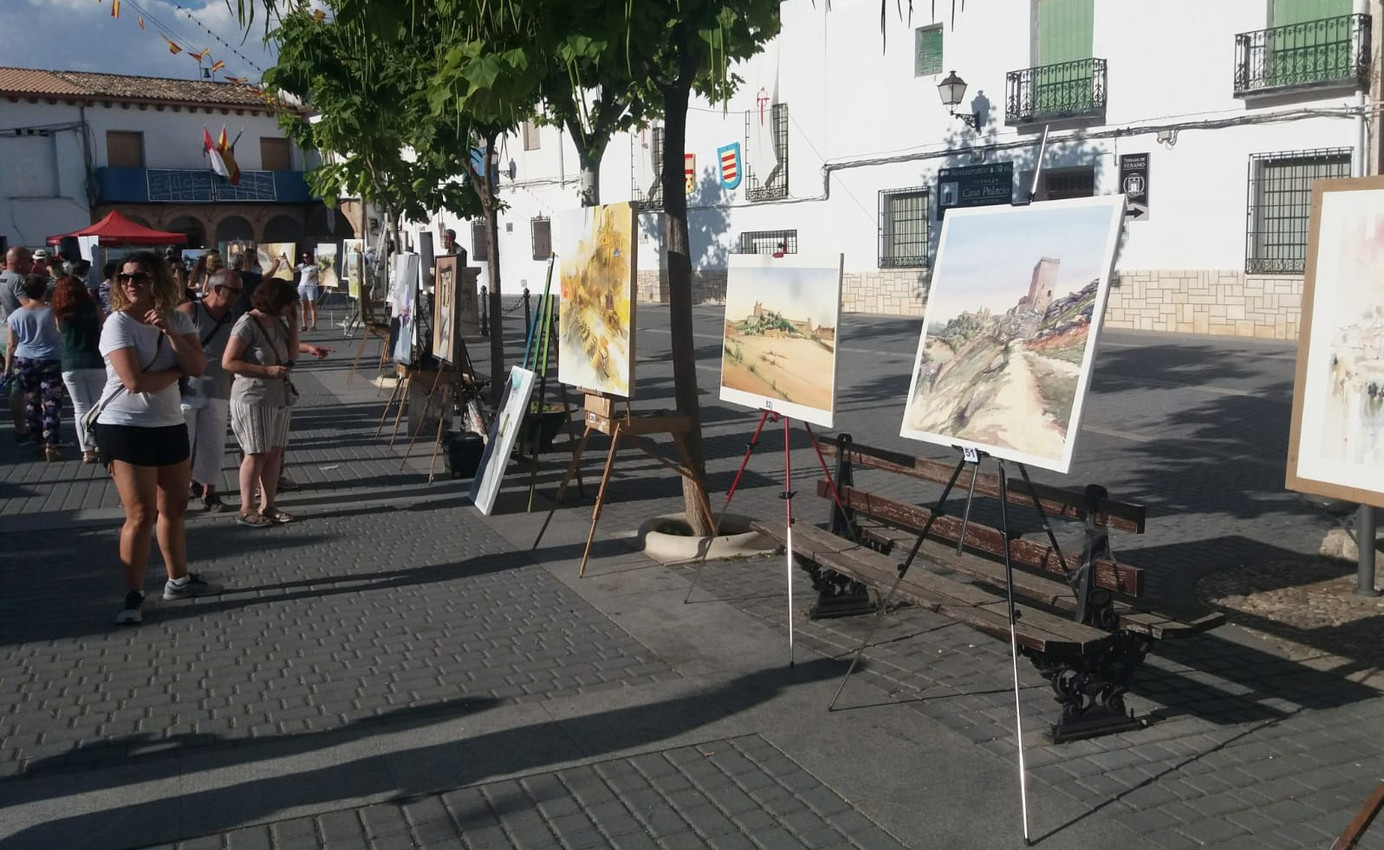
And what are the rules of these competitions? For a few hours, the painters who have signed up have to manage to finish a painting inspired by the landscape of a town. That's why it's called 'speed painting', of course. The rules of these competitions usually say something along the lines of "the subject of the artwork must be the recognisable urban surroundings of the municipality". So it's about showing a town's 'best side'. Generally there's a maximum size for the canvas or support (1 metre, for example), which must be completely blank so it can be stamped when you register, to stop painters cheating: turning up with a painting that's already been done at home…
And what about the prizes? They can range from 300 euros for first prize to 3000, depending on what each town can afford. Logically, the bigger the prize money, the more competitive it gets. Because at speed painting competitions you'll come up against plenty of competition.
Tips for tackling a speed painting competition
- El reto y la experiencia. Si eres un novato en este tipo de certámenes recomendamos humildad y pragmatismo. Ya llegará el momento de ir a ganar. Si es la primera vez que nos presentamos a un concurso de pintura rápida no creamos que va a ser llegar y besar el santo porque la competencia es dura, por mucha experiencia pictórica y/o nivel que tengamos (o que creamos tener). Muchos pintores rápidos expertos señalan que su mayor error inicial fue la soberbia. Lo primero, aprender, disfrutar del reto, de la competencia y de la experiencia de pintar al aire libre ‘bajo presión’.
- Salir de la (dichosa) zona de confort. No nos gusta nada esta frase hecha, pero así nos entendemos todos. Pasarse la vida en el taller y mostrar la obra a la familia y los amigos es demasiado fácil. Competir es una manera de someter nuestra obra a un juicio más objetivo, a un juicio anónimo. El jurado no sabe quién ha pintado qué obra.
- Trabajar de otra manera. Un certamen de pintura rápida tiene poco que ver con la pintura de taller ya que obliga a trabajar bajo presión, con un motivo concreto y con una limitación temporal. Esto exige un cambio en la forma de pintar, sobre todo si no estamos acostumbrados a esta clase de concursos. Puede ayudar a probar técnicas nuevas, recuperar otras olvidadas y a manejar con destreza la economía de medios. Ya se sabe: el menos es más.
- Observación. Un concurso de pintura rápida exige afinar nuestro sentido de la observación. A menudo, el pintor tiene unas 6 o 7 horas para localizar un motivo a lo largo del pueblo que sea interesante y efectivo desde un punto de vista pictórico. En este sentido, ir a donde va todo el mundo no es práctico. Una perspectiva nueva de un pueblo tendrá más posibilidades de triunfar que el enésimo cuadro de la plaza del pueblo.
- El jurado. Analizar los premios de años anteriores es muy práctico para saber por dónde van los tiros del concurso. Si se suelen premiar paisajes clásicos y ese estilo cuadra con el nuestro será una buena oportunidad. También sirve para adaptar nuestra obra al concurso y tener más posibilidades de ganar.
- Hacer contactos. En estos concursos también podemos entrar en contacto con muchos artistas de nuestro perfil, además de compradores o, incluso, galeristas. En algunos certámenes se venden obras además de las ganadoras. Es una buena manera de intercambiar impresiones y experiencias.
- Consejos técnicos. A nivel técnico, los concursantes más expertos recomiendan llegar pronto al concurso y aprovechar bien el tiempo. Apostar por el formato más grande porque suele tener un impacto más directo, marcar las líneas rectas con regla porque da una sensación de mejor acabado y no usar una gama muy amplia de colores porque complica la ejecución de la obra.
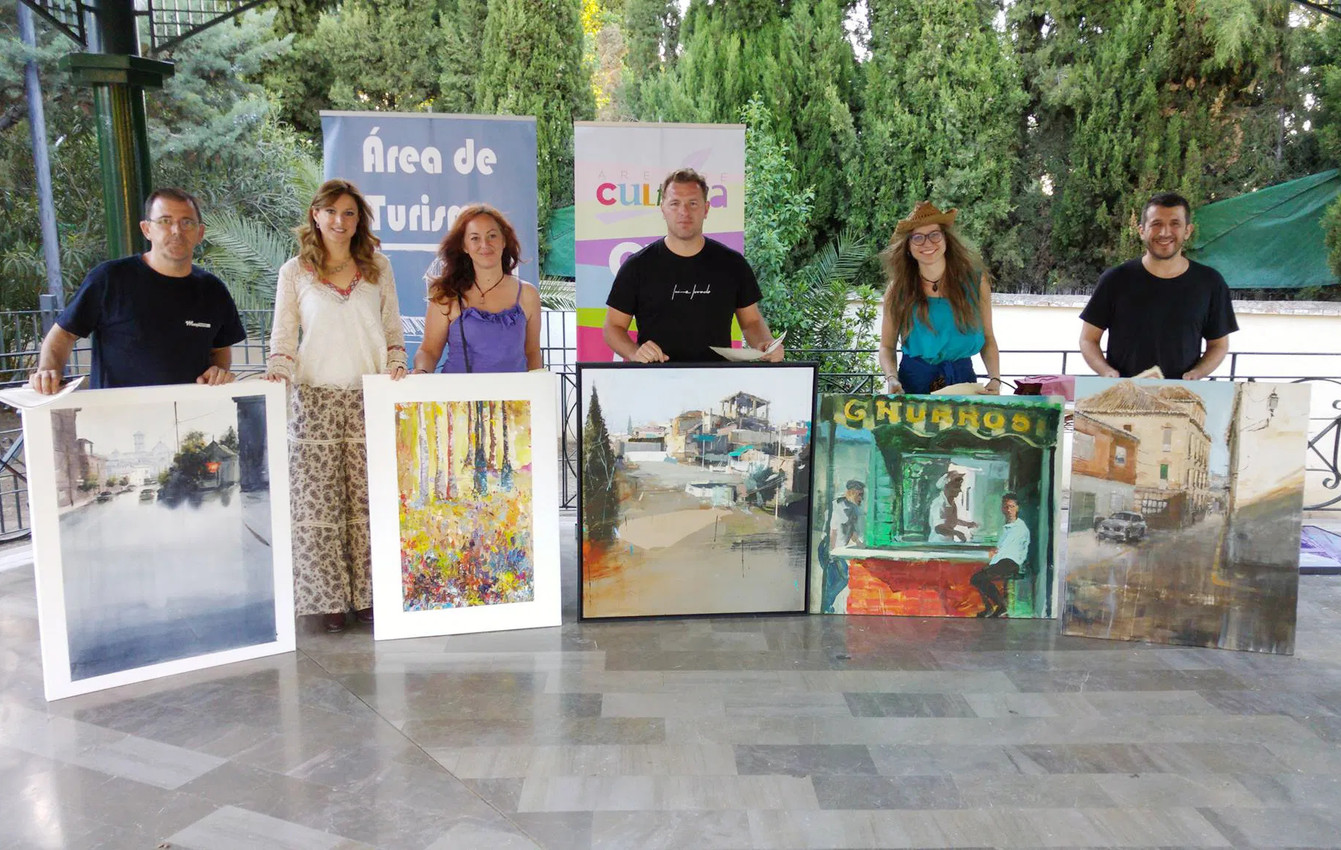
In the world of speed painting competitions there are 'professional' painters who travel all over Spain, entering 50 or more competitions a year. They often know every trick in the book and they're hard rivals to beat because they're there to win. Full stop. To compete with them we'll have to develop a skill set specific to speed painting.
On the other hand, too much speed painting can also have negative consequences, because you pick up certain habits, above all working fast when there's no longer any need to. Because, when all is said and done, a speed painting competition shouldn't be more than that: an experience, a challenge, a competition, a way of getting in touch with the scene… and maybe earning a bit of extra money. But unless we want to turn it into our profession, the studio, reflection and silence will still be the foundations of our best artworks.


Comments (0)
Log in to leave your comment. Log in