
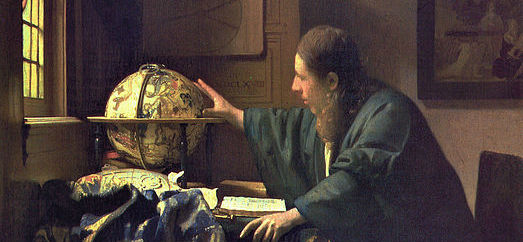
Last year it came to light that the German authorities had found a flat in Munich holding 1,280 paintings, 500 of which were thought to have been stolen by the Nazis. Canvases by Matisse, Picasso, Chagall and Dix, among others. Their owner was the son of Hildebrand Gurlitt, a dealer authorised by Hitler's regime to do business with the avant-garde art the Nazis despised.
Around the same date, the Netherlands Museums Association announced that 139 artworks belonging to its collections had been confiscated by the Nazis.
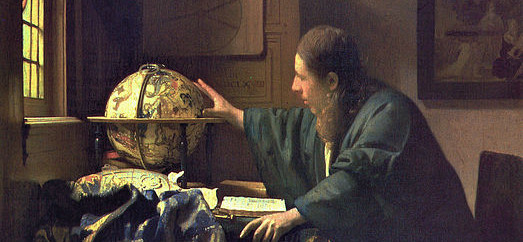
Almost seventy years on, these findings show that the barbaric looting is still an open chapter of the Second World War.
How did the Führer's machinery work?
During the War, the Nazis robbed archives, libraries and art collections, both public and private, systematically, in the occupied countries.
As early as 1937 a policy of artistic purging was being carried out on German soil. It ordered the removal from state collections and the expropriation from private ones of artworks by Jewish and communist artists or by the avant-garde, seen as degenerate art. The same happened with the possessions of persecuted German citizens. Some of these pieces were destroyed, but most ended up in the hands of the state.
Besides seizures, to swell the Nazi holdings owners were forced to sell at a price far below the real value.
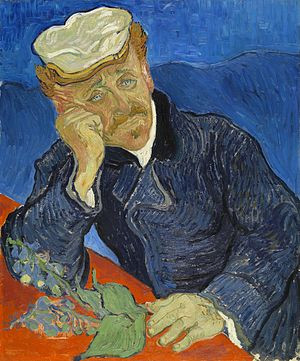
Where did the artworks go?
Adolf Hitler was a great art enthusiast. Before he led the Nazi party he even tried to get into the Academy of Fine Arts Vienna, though he was rejected. He and his lieutenant, Hermann Goering, were the most frequent recipients.
Both exerted a strong influence on the Nazi elites to amass art beyond all measure. With a special interest in the old German, Flemish, Dutch, French and Italian masters.
Hitler's final project was to build a giant museum in the Austrian city of Linz. When the war ended, the Allies reported the existence of over 6,700 paintings stored in a huge salt mine. It was the largest of the hundreds of stores of looted art that were found.
The other seized art, the degenerate kind, left the occupied territory through exchange or sale. Finally, as defeat closed in on the Third Reich, the Nazis also sent their collections to neutral countries to save them or sell them. Switzerland and the south of France became distribution centres. And, through smuggling or in the diplomatic bag, the artworks reached the United States or South America.
And afterwards?
Once the fighting was over, the United Nations set the legal basis for the return of the stolen material.
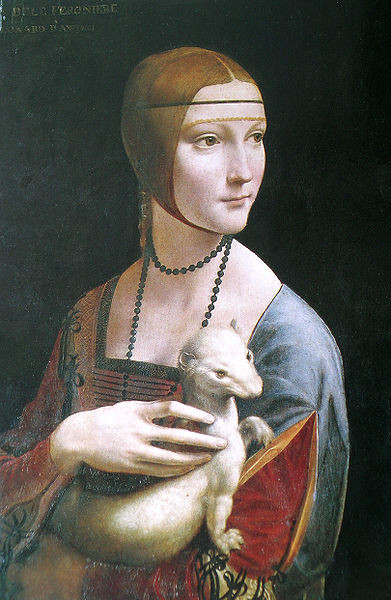
Every so often, discoveries and claims come up over property that was looted. They are brought against the state museums of the occupied countries, which recovered the pieces but did not return them to their rightful owners. And also against museums and private collectors who may have bought artworks obtained by fraud.
If we talk numbers, the sums are unlikely to add up exactly. But to give an idea, in 2004 the journalist Héctor Feliciano published an investigation with these figures: some 300,000 artworks were plundered in Western Europe and, in France alone, more than 40,000 were still missing.
Comments (0)
Log in to leave your comment. Log in