
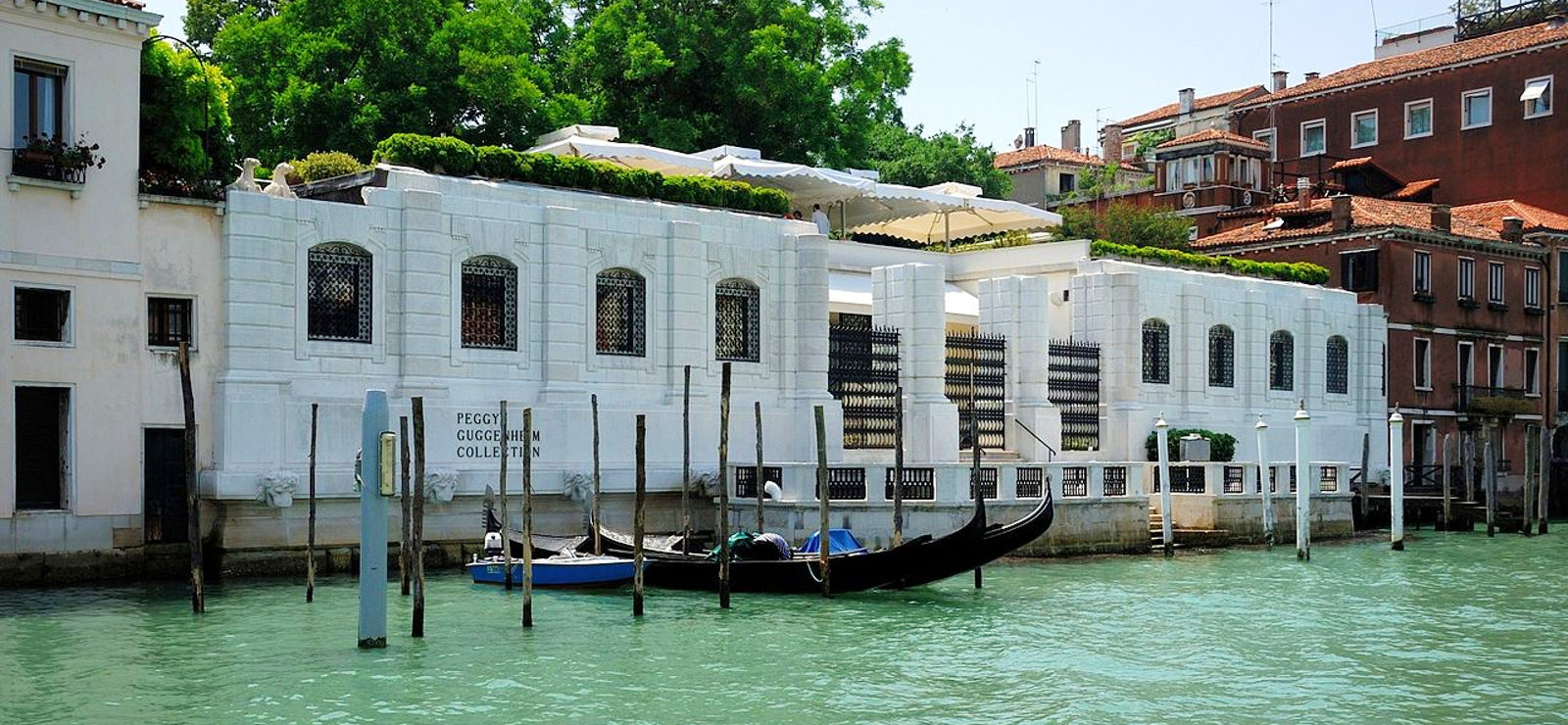
An avant-garde oasis in the most vintage city in Europe: the Guggenheim Museum in Venice is a must-see for any art lover who finds themselves in the Italian city and starts to feel the first symptoms of Venetian overdose. Because there is life beyond Tintoretto and Titian, beyond the palazzos and the mist on the canals: Magritte, Pollock, Rothko and Calder also found their place in Venice thanks to Peggy Guggenheim, daughter of Benjamin (who died on the Titanic) and niece of Solomon R., founder of the Foundation.
After living between the United States and Europe, Peggy decided to settle in Venice after the Second World War. Having shown her collection in the city at the 1948 Biennale, she came to the conclusion that she needed a permanent space to display part of her juicy compilation of contemporary art masterpieces.
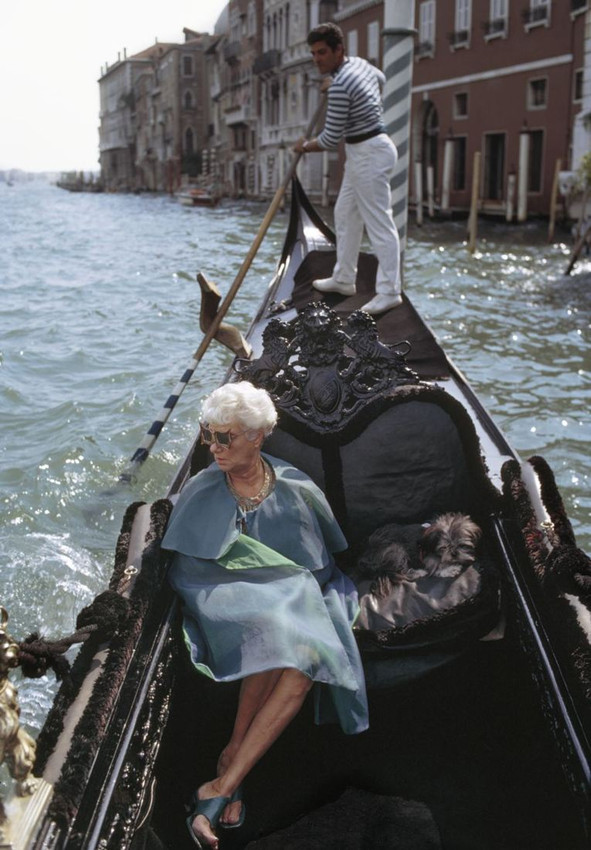
Money was no object, so she got out the chequebook and bought one of the most curious palazzos on the Grand Canal: the Palazzo Venier dei Leoni, a building begun in the middle of the 18th century and never finished because of the financial troubles of the family that owned it. Peggy shelled out 60 grand and got hold of the palazzo that would become the home of her collection in Europe, her house… and her dogs' house.
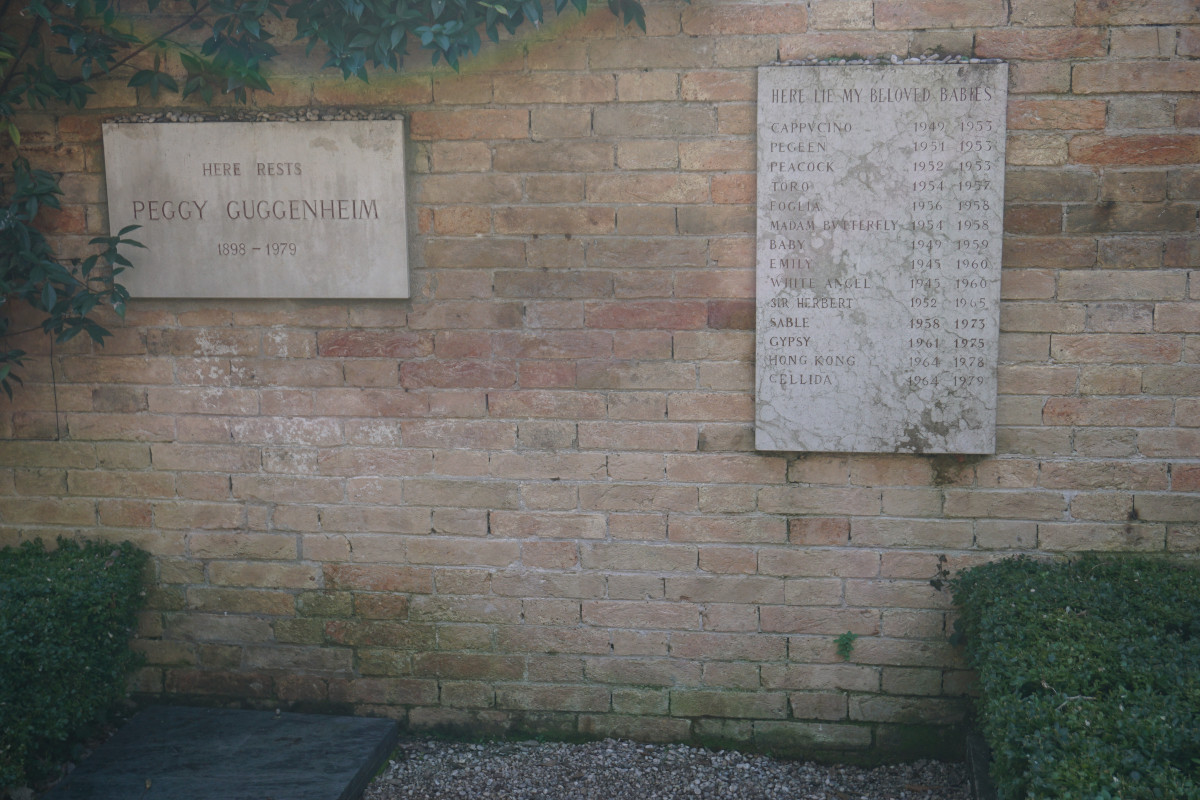
In fact, they say she chose the palazzo not so much for its looks (from the Grand Canal it pales next to some giant neighbours like the church of Santa Maria della Salute) as for its large garden, ideal for her court of canines: Peggy herself is buried in the garden along with her “14 babies”: Cappuccino, Pegeen, Peacock, Toro, Floglia, Madame Butterfly, Baby, Emily, White Angel, Sir Herbert, Sable, Gypsi, Hong Kong and Celida.
The story of the mega-eccentric New York collector is, without doubt, one of the main draws of a visit to the Guggenheim Museum in Venice, but we came to see art, didn't we? And the Peggy Guggenheim collection has plenty of that to spare. In the palazzo's dining room, for example, hang two of the collector's most beloved (and most valuable) artworks: Picasso's El Poeta and Braque's Clarinete.
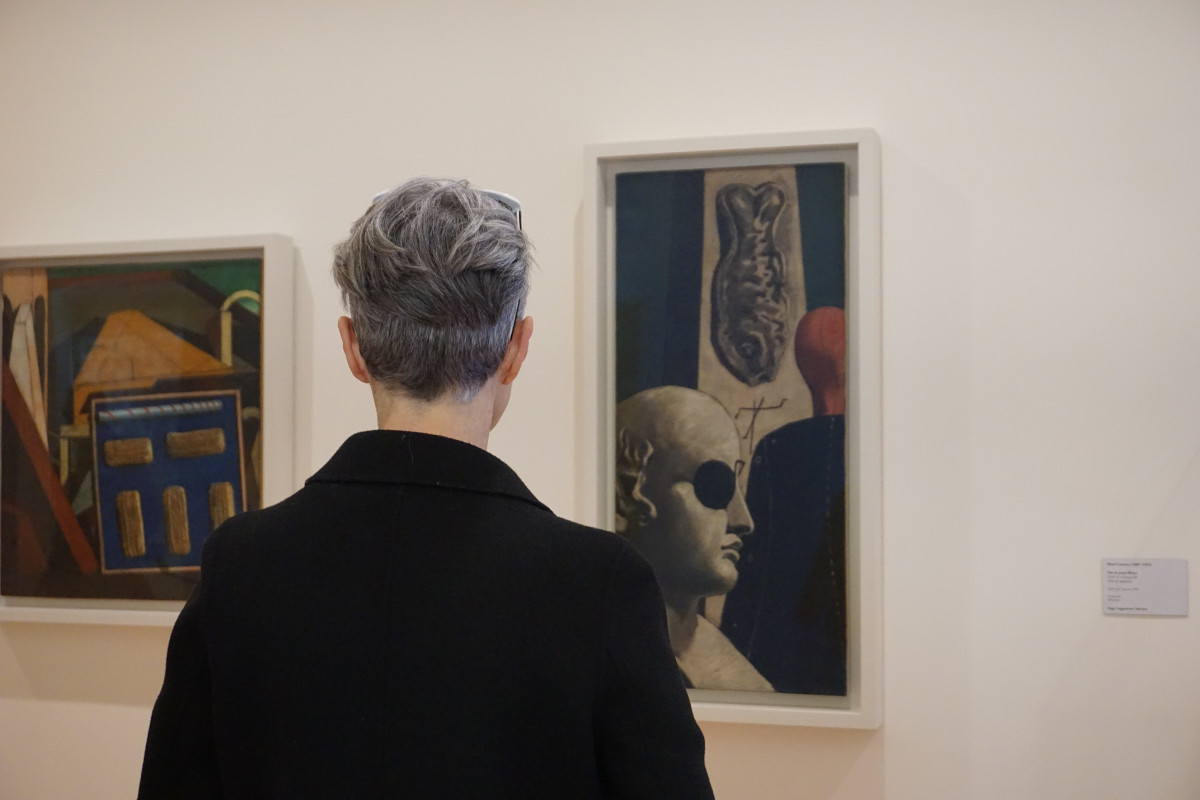
But the museum also lets us dig into the life and times of some of the most important artists of the 20th century. Rene Magritte, for instance, is one of the best represented artists in the collection. By the French artist we can see artworks as important as Voces del espacio and El imperio de la luz.
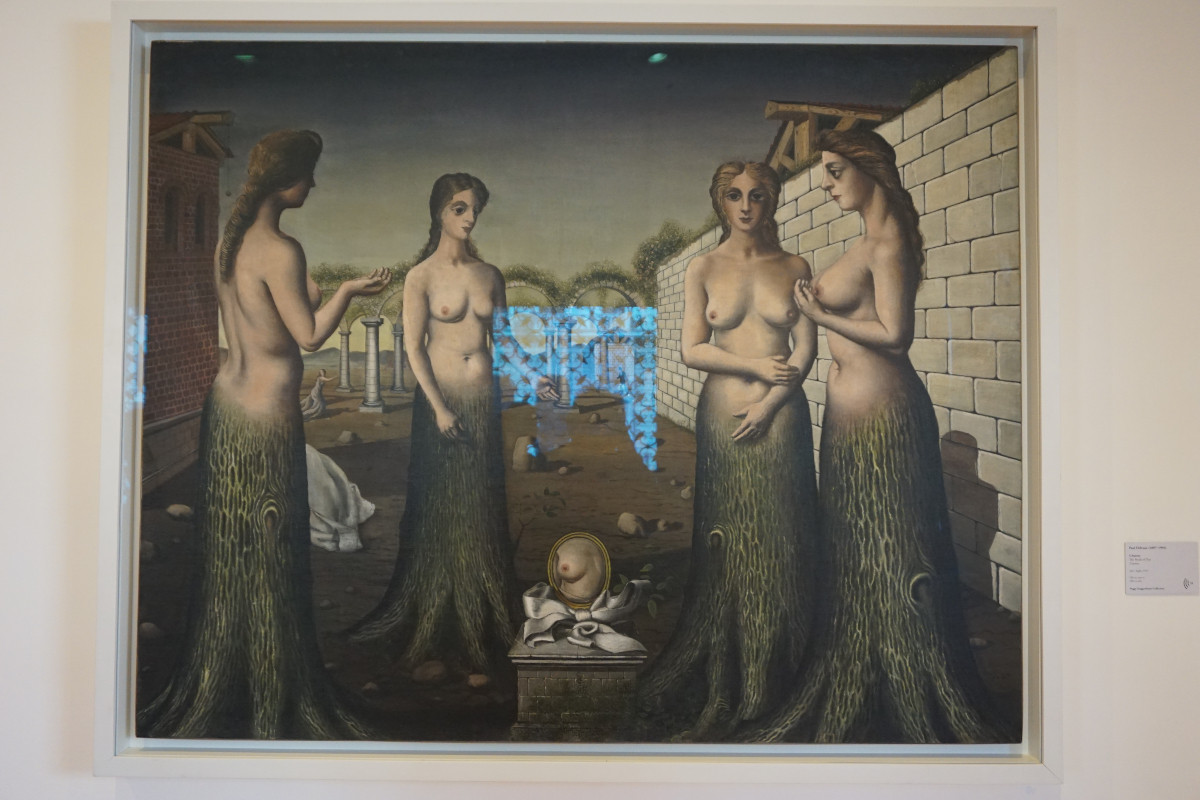
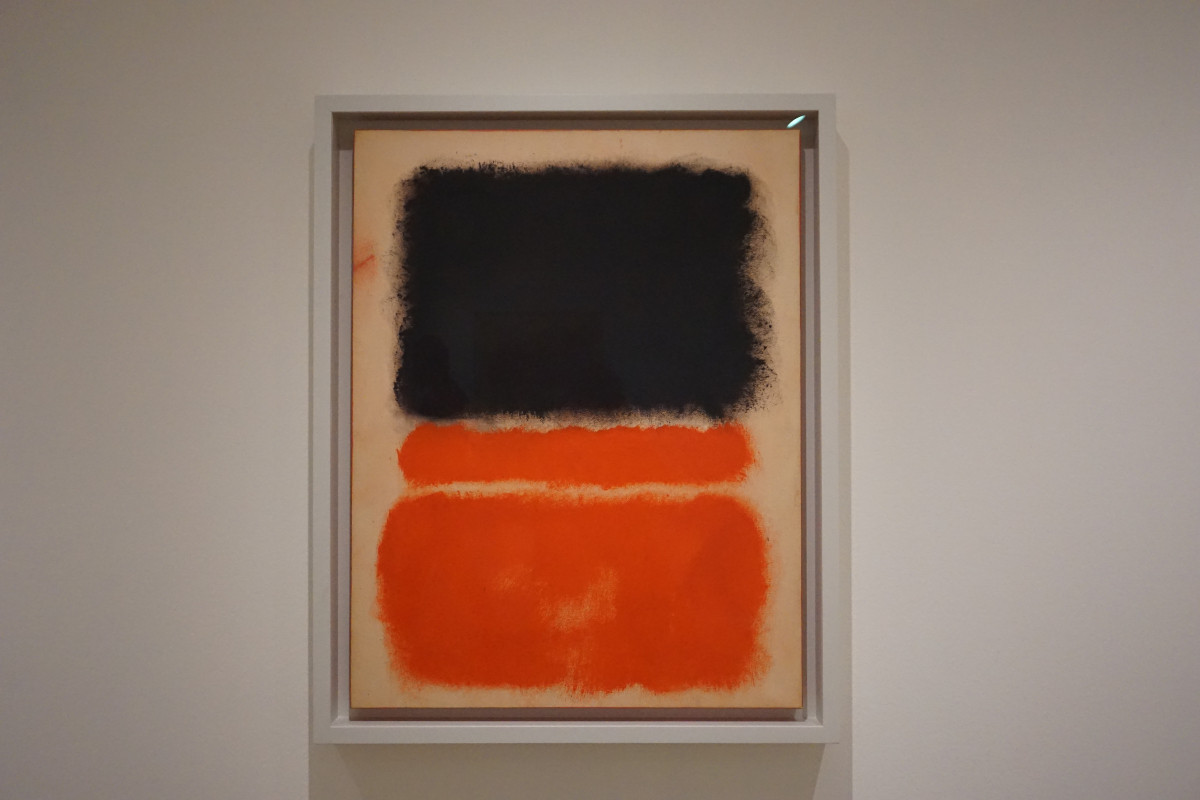
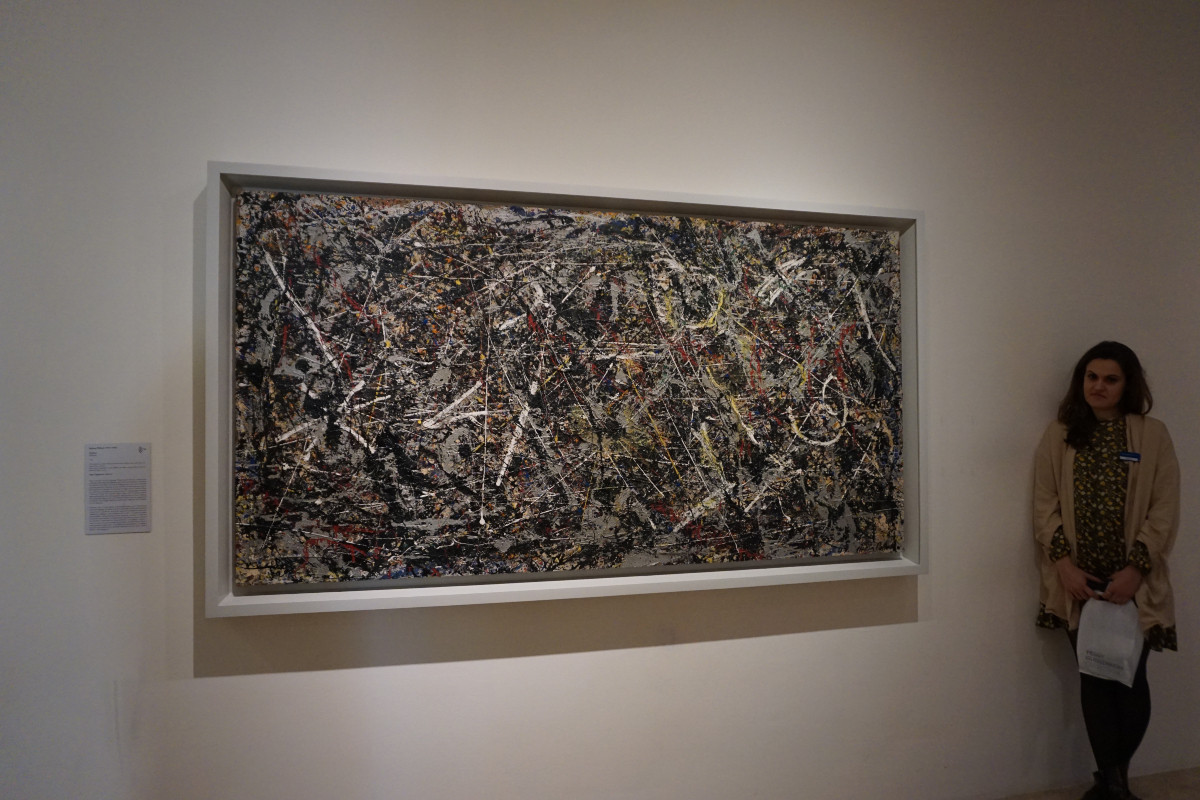
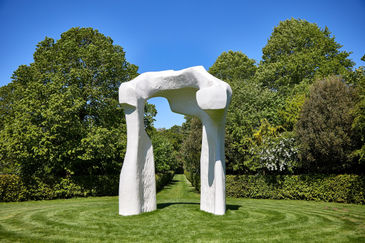
Max Ernst also stands out with his stunning La Toilette de la mariée from 1940. Kandinsky, Rothko, Pollock are other totems of last century's avant-garde art that we find in the rooms of Peggy Guggenheim's former residence. And in the garden, besides the graves of the dogs and their owner, there is an interesting collection of sculptures including pieces by Calder, Giacometti and Henry Moore.
It's a delightful visit in a dream of a city. The museum is cosy enough that you don't get saturated with masterpieces. The garden not only has great sculptural pieces, it also gives the visitor a rest, a green oasis in the city of water. And the terrace looking onto the Grand Canal, with Marino Marini's sculpture, offers wonderful views of the city that Peggy Guggenhein and (almost) all of her visitors fell in love with.
Comments (0)
Log in to leave your comment. Log in